A wave is sweeping the planet, carried by youthful faces, raised smartphones, cries mixed with bursts of laughter.
In Morocco, Madagascar, Peru and Nepal, the same young people are taking to the streets: Generation Z, born in the digital age of political disenchantment and climate emergency.
In Tunisia, it's in Gabès that this anger has materialized. A suffocating city, sickened by its chemical plants, which has become the symbol of a country suffocating between unfulfilled promises and chronic insecurity.
When thousands of young people descend to demand the right to breathe, it's not just an environmental demand: it's an existential cry, a call for dignity.
Faced with this connected generation, those in power respond with suspicion, sometimes contempt. But by attempting to ridicule it, it has given it the visibility it has been waiting for: that of a movement that doesn't need to be organized to exist.
A movement without a flag, but with symbols
Generation Z has no party, no hierarchy, no leader.
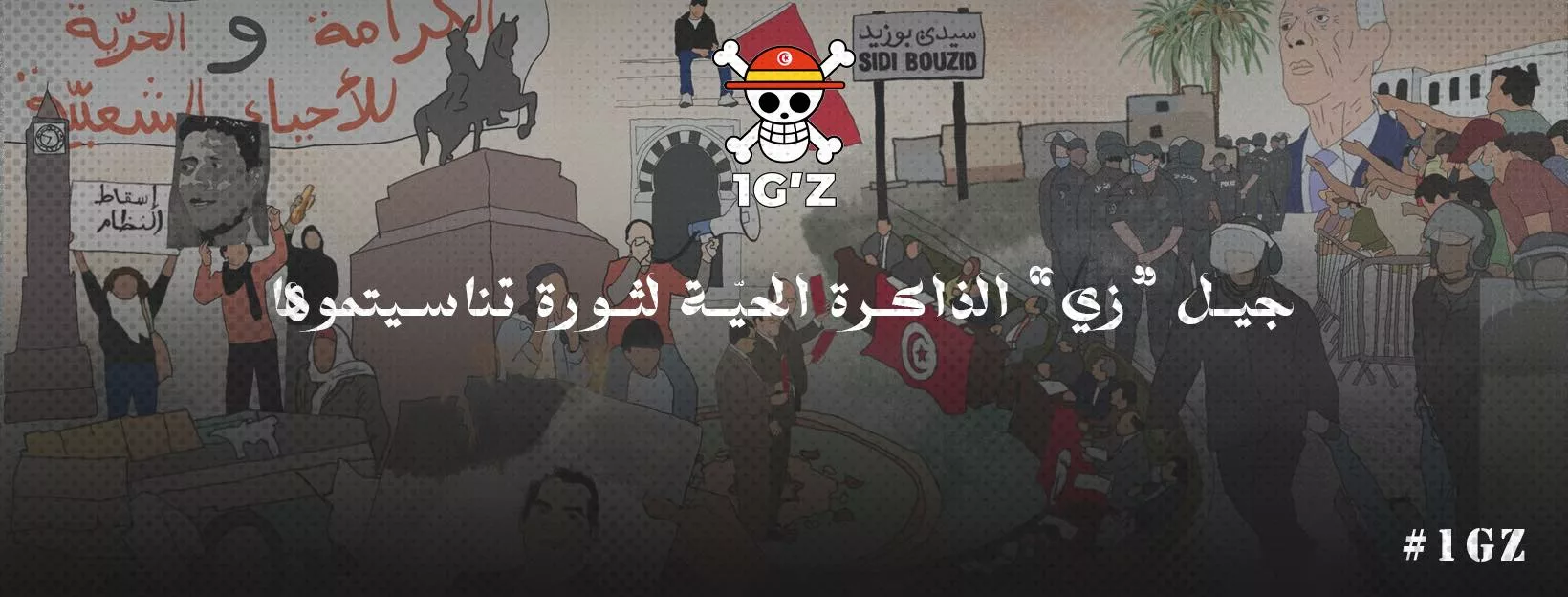
Its language is that of images, rhythm and virality. It draws on global cultural codes - manga, urban music, memes, videos - to establish its collective identity.
This blend of lightness and seriousness, derision and lucidity, gives this generation an unprecedented power: that of joyful refusal.
Its flag is not political, it's a cartoon.
Its slogan is not a program, it's a shared emotion.
And yet, behind this apparent casualness, an acute political awareness emerges: that of a world that no longer meets their basic needs - employment, health, justice, the environment, freedom.
A generation without illusions but not without convictions
These young people have grown up amidst the disorder of the world and the instability of the country.
They have seen the promises of 2011 evaporate, institutions crumble, freedoms curtailed. They no longer believe in saviors, but in horizontal solidarity.
Their commitment is not ideological, it's vital.
They don't want power, they want it to be responsible.
They are both connected and isolated, lucid and tired. But above all, they refuse to accept the resignation of their elders.
Their mode of action is a reflection of their times: fragmented, ephemeral, but contagious. A tweet, a clip, a march or a viral image can be enough to trigger a wave of indignation.
This "liquid" youth, to use sociologist Zygmunt Bauman's metaphor, no longer allows itself to be contained within the old forms of politics.
It acts by breaking in: where it is not expected, with means that the old no longer understand.
A company against the times
The gap between these young people and those in power is abysmal.
The official discourse, saturated with moralizing and archaic references, no longer speaks to young people who have grown up with the language of emotions and freedom.
While those in power invoke loyalty, nationhood and obedience, they speak of breathing, creativity and equality.
This gap is not just cultural, it's institutional: Tunisia still addresses its youth as a threat, never as a resource.
Public systems remain marked by distrust and verticality.
As a result, the State is losing the battle for meaning. And Generation Z, lacking any space for expression, is taking to the streets and the web as the last frontiers of freedom.
What these young people have to say
Behind the slogans and hashtags, Generation Z has three clear messages:
- The right to life: to breathe healthy air, to have access to healthcare, to live without fear. These are fundamental, non-negotiable demands.
- Social and territorial justice: exasperation with a system that concentrates wealth and abandons the country's interior.
- Freedom of expression and recognition: to be heard, not watched; to participate, not suspect.
This triple cry - health, justice, freedom - reveals the failure of a political and economic model incapable of integrating young people as full players.
Listen, co-construct, connect
Tunisia's Generation Z isn't waiting to be mentored. It wants to be taken seriously.
To respond to this profound change, several concrete avenues are emerging:
1. rebuilding dialogue forums
Create hybrid citizen forums, bringing together young people, researchers, local players and public decision-makers. These forums should be both face-to-face and online, to reflect the ways in which this generation expresses itself.
2. support social and ecological commitment
Set up a national citizens' initiative fund to support environmental, cultural and digital micro-projects run by young people, with priority given to marginalized regions.
3. reinvent civic education
Introduce critical digital citizenship education: learn to decode discourse, use networks as tools for participation rather than manipulation, and exercise freedom of expression responsibly.
4. More flexible participation frameworks
Adapt public consultation mechanisms to digital culture: participatory polls, deliberative platforms, online voting, citizen hackathons. Young people must be involved in local policies, and not just symbolically.
5. Decriminalizing speech
Repeal or revise repressive texts, particularly laws used against Internet users. Decree-Law 54 on digital communications has created a fear that is killing public debate. A democracy without a young voice is a democracy without a future.
6. restore confidence
Institutions must learn to speak a different language: one of transparency, respect and proof.
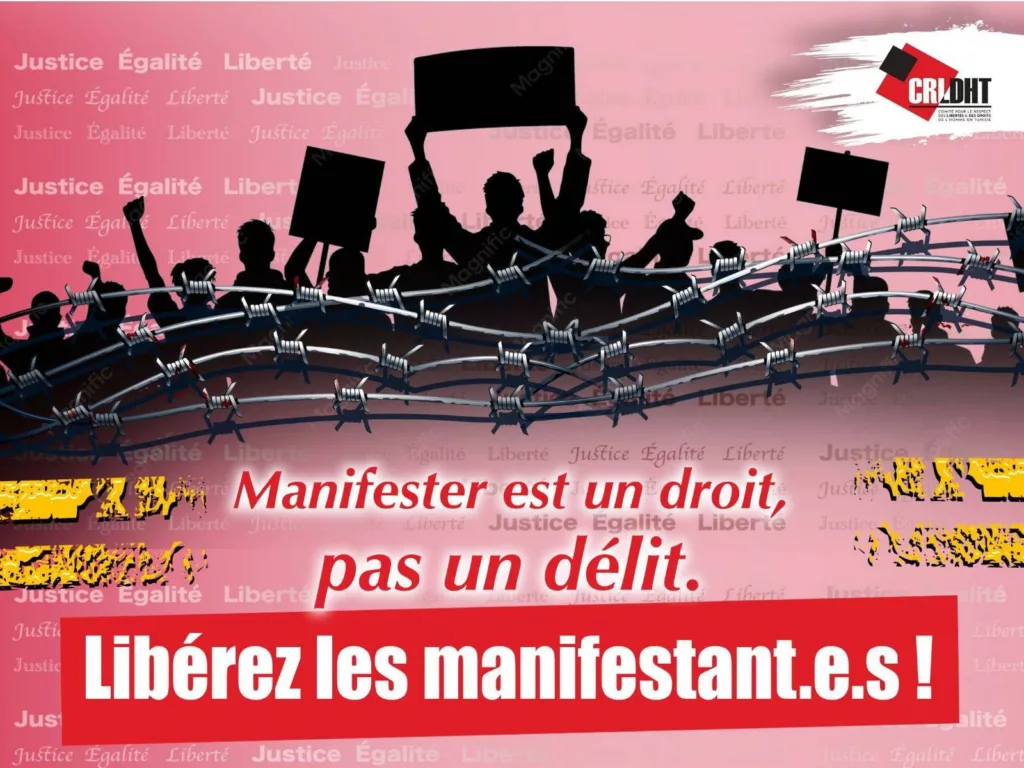
Young people don't expect speeches, they expect action - the enforcement of a judgment, the release of an innocent, the protection of a whistleblower, the closure of a toxic plant.
Betting on the future
The Tunisia of tomorrow will be built neither against nor without its youth.
This generation does not dream of a return to the past, but of a country where freedom is not a memory, and justice not a privilege.
It does not seek to imitate the West or to resuscitate an idealized past: it wants to invent its own model.
The elders have their scars, generation Z has its faith.
It's not a naïve faith: it's the faith of those who have seen everything, understood everything, and yet refuse to give up.
They no longer ask permission to exist - they already do.
And in their laughter, anger and screens, we can perhaps read the face of a country that is also seeking to be reborn.