Beyond official rhetoric and explanations based on economic conditions, a reality is emerging with a clarity that is becoming increasingly difficult to conceal: Tunisia is facing a profound crisis in its systems of production, distribution, and social protection. Shortages—whether of meat, poultry, medicines, or health services—are neither random nor the result of isolated malfunctions. They are the visible manifestations of a long-standing structural imbalance, now exacerbated by recent political and economic decisions.
An Interpretation of Crises: Between Identifying Enemies and Avoiding the Causes
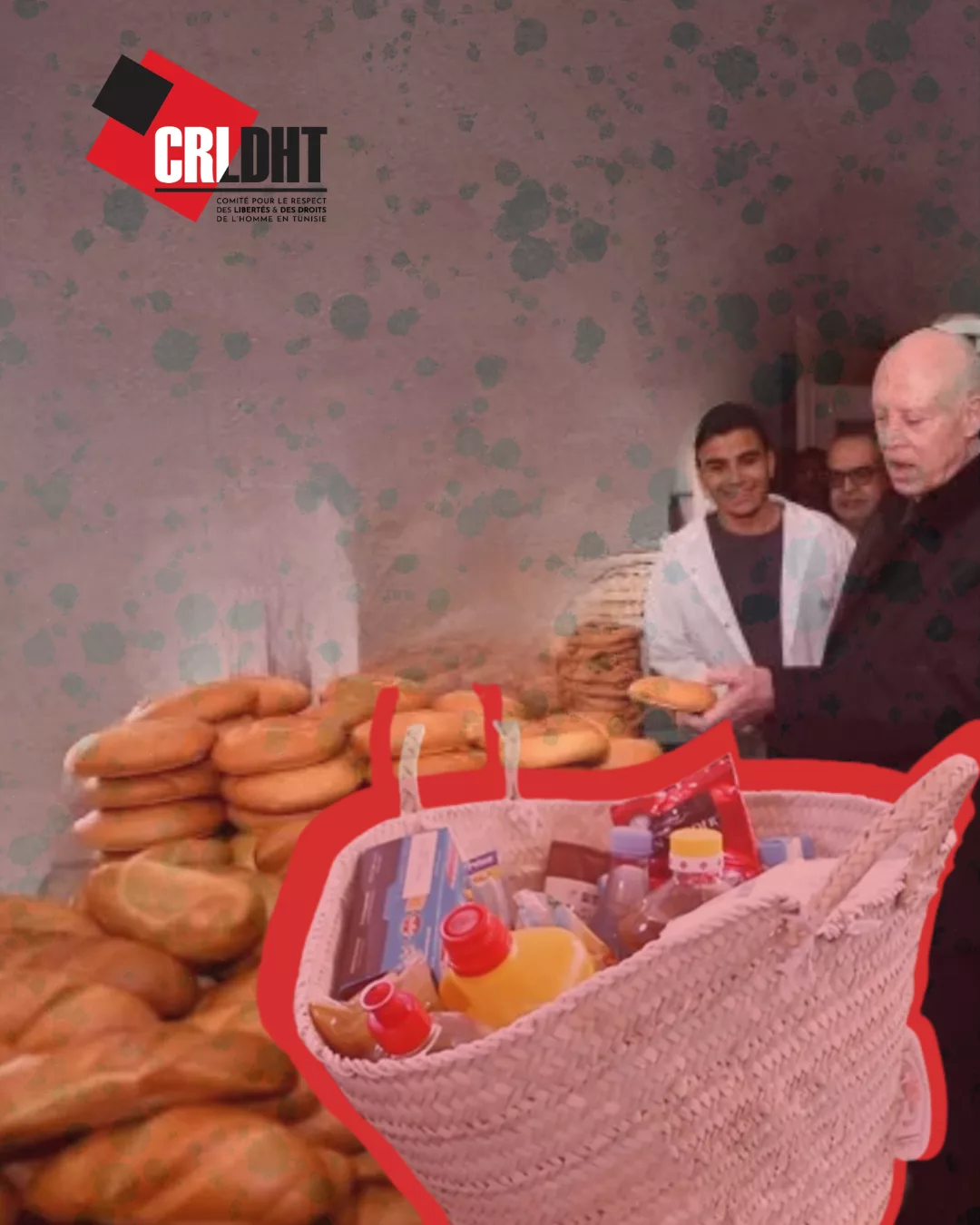
As difficulties mount, the government’s rhetoric tends to favor a framework that focuses on denouncing the “actors” or “networks” responsible for the disruptions. Thus, the meat crisis has been attributed to the existence of “lobbies,” “speculators,” or even “conspiracy theorists,” who are accused of manipulating markets and orchestrating the shortage.
This type of narrative is not new. It makes it possible to identify those directly responsible, channel social discontent, and shift the focus of the debate. But it has a major drawback: it obscures the root causes.
For the reality of the sector is well known and well documented: a decline in livestock numbers, skyrocketing input costs, dependence on imports, the increasing vulnerability of small-scale producers, and the gradual withdrawal of the government. All of these factors stem from public policy, economic choices, and long-term structural changes.
Reducing this complexity to a conspiracy theory amounts to substituting a political narrative for an economic analysis.
Food: A Crisis That Affects Daily Life
Pressure on food prices is not limited to red meat. It also affects staple foods such as chicken, whose prices have risen sharply, with significant gaps between official prices and actual market prices.
This situation reflects several converging factors:
- disruption of production chains;
- a general increase in costs;
- perceived inflation that is much higher than official figures;
- increasing difficulty in accessing essential goods.
In a country where chicken accounts for a significant portion of protein consumption, these developments are far from insignificant. They directly affect the living conditions of large segments of the population.
Food, as a basic need, thus becomes a key indicator of socioeconomic decline.
Health Care: From Shortages to Risks
The healthcare sector provides a particularly troubling example of this trend.
Shortages of essential medications—particularly for serious conditions such as cancer, chronic diseases, or psychiatric disorders—are no longer a rare occurrence. They have now become a long-term issue.
The consequences are immediate:
- interruption or delay in treatment;
- costly legal action abroad;
- reliance on informal networks for supply;
- worsening of medical conditions.
In some cases, this situation directly exposes patients to life-threatening risks. The shortage of medications, combined with the challenges facing the hospital system, turns a health issue into a matter of survival.
At the same time, problems within emergency services, delays in response, and a lack of equipment highlight a general deterioration of the system. The death of Dr. Mourad Belaïd, which occurred under circumstances that have raised questions about the quality of care provided, serves as a stark reminder of these shortcomings.
When the healthcare system no longer protects either patients or healthcare providers, it is the social contract itself that is undermined.
The coûThe human cost: beyond the numbers
Shortages are not merely economic indicators. They have a direct, profound, and lasting human cost that affects people’s living conditions, dignity, and safety.
First and foremost, these challenges translate, in very concrete terms, into sacrifices. For many families, access to a balanced diet is becoming uncertain. Rising prices and the scarcity of certain products force daily trade-offs: cutting back on meat, settling for cheaper but less nutritious foods, or even skipping meals. These are not merely consumer choices, but forms of deprivation that affect health—particularly that of children—and undermine family stability.
These challenges then manifest themselves in patients’ care journeys. Finding a medication becomes an ordeal. Patients and their loved ones go from one pharmacy to another, reach out to their networks, and look abroad when possible. This therapeutic odyssey delays care, worsens conditions, and creates a sense of helplessness. For some, the lack of treatment means not only a decline in quality of life, but also a direct threat to their safety.
These challenges also take a toll on healthcare professionals. Doctors, nurses, and pharmacists find themselves in situations where they can no longer practice their profession in accordance with their skills and ethical standards. Working without medications, without adequate equipment, in overcrowded wards, leads to a loss of purpose, burnout, and a sense of devaluation. Ultimately, this fuels discouragement and accelerates departures to other fields, further exacerbating shortages.
Ultimately, they affect society as a whole by creating a climate of constant uncertainty. Unpredictability becomes the norm: not knowing whether a product will be available, whether medical treatment can be provided, or whether a public service will function normally. This daily instability fuels anxiety, erodes trust in institutions, and weakens social bonds.
Over time, these repeated experiences have an even more insidious effect: the emergence of a sense of marginalization and abandonment. When basic needs are no longer guaranteed, when fundamental rights become uncertain, it is the very perception of one’s place in society that is undermined. The idea of equality in access to public services crumbles. Relying on individual solutions—networks, resourcefulness, financial resources—becomes the norm, further widening inequalities.
Thus, shortages are not merely the result of an economic imbalance. They reflect a crisis of protection and solidarity. And it is precisely at this level—that of dignity and social cohesion—that their effects are most profound and most concerning.
Face the reality, open the discussion
The current situation calls for clarification.
It requires:
- recognition of the structural causes of crises;
- transparency regarding the actual state of the sectors in question;
- a clear definition of responsibilities;
- the launch of a public debate on economic and social choices.
For the growing number of shortages is not inevitable. It is the result of decisions, policies, and priorities that can be questioned and revised.
Tunisia is not facing a series of isolated crises, but rather a systemic crisis that is simultaneously affecting several vital sectors. In this context, the temptation to resort to simplistic narratives or short-term explanations cannot serve as a substitute for policy.
The central question remains: how can we rebuild systems capable of ensuring access to essential goods, protecting fundamental rights, and restoring trust?
Only under this condition can a trend be reversed that, if it continues, risks causing lasting damage to the country’s social, economic, and political foundations.