I. Introduction
More than fifteen years after the 2011 revolution and five years after the institutional turning point of July 2021, Tunisia is undergoing an economic and social crisis of unprecedented proportions. The promise of a salutary break with the past has gradually given way to a deep slump. While official rhetoric continues to highlight the resilience of a model based on national sovereignty, macroeconomic indicators and the realities of daily life paint a very different picture. The continuous rise in the cost of living, shortages of essential goods, difficulties in accessing healthcare, water, or energy, and the erosion of purchasing power all point to a gradual deterioration of economic and social rights.
However, this deterioration cannot be understood solely in terms of social indicators. It is part of a broader context marked by a sustained slowdown in growth, persistently weak investment, rising debt, shrinking fiscal space, and growing macroeconomic imbalances. Furthermore, Tunisia has not been spared the external shocks of recent years: the genocide in Palestine, the consequences of the COVID-19 pandemic, the war in Ukraine, the global energy crisis, inflationary pressures, and the slowdown in the global economy. Added to these exogenous factors are structural constraints specific to the country, notably water stress, declining phosphate and hydrocarbon production, and imbalances that have accumulated over several decades.
These factors account for a significant portion of the current difficulties. However, they are not sufficient to explain why Tunisia has encountered so many difficulties in absorbing these shocks, restoring the confidence of economic actors, and implementing reforms that could mitigate their consequences. This editorial argues that this capacity depends largely on the quality of governance. For between economic shocks and the erosion of economic and social rights lies an often-underestimated variable: trust. Trust is the primary mechanism through which institutions, public policies, and the rule of law influence investment decisions, economic growth, and, ultimately, the state’s ability to guarantee economic and social rights.
This article is organized into three parts. It first highlights the gradual erosion of economic and social rights, then shows that this trend reflects a deeper weakening of macroeconomic fundamentals. Finally, it argues that these imbalances have been amplified by several governance factors that have gradually eroded confidence. The hypothesis put forward is that confidence serves as the transmission mechanism between governance and economic performance: when institutions are stable, predictable, and credible, they strengthen confidence; this confidence fosters investment, growth, and wealth creation; these resources, in turn, make it possible to more effectively guarantee economic and social rights.
In economics, a vast body of economic literature—notably the works of K. Arrow[1]and D. North[2] —considers trust to be a fundamental intangible asset. It influences investment decisions, innovation, job creation, the mobilization of savings, the cost of financing, and a state’s ability to carry out reforms. A climate of trust in a country cannot be imposed by decree; it is built gradually through stable institutions, predictable rules, effective economic and social dialogue, a long-term strategic vision, and governance based on transparency, accountability, and the rule of law.
The following discussion thus advances a simple idea: while the effective realization of economic and social rights certainly depends on economic performance, that performance itself is based on trust—and trust cannot be established in the long term without the rule of law, good governance, and respect for human rights. Far from being in conflict, these three dimensions reinforce one another. A society’s ability to achieve sustainable, inclusive economic development that respects human dignity depends on their interaction.
II. The Erosion of Economic and Social Rights
The economic crisis cannot be reduced to a series of statistics. Above all, it is reflected in a tangible deterioration in the living conditions of millions of Tunisians. The macroeconomic imbalances observed since 2021 are now having a direct impact on the exercise of economic and social rights, particularly the right to a decent standard of living, to food, water, health care, energy, and employment.
Enacted, in particular, by the International Covenant on Economic, Social, and Cultural Rights (ICESCR), these rights impose an obligation on States to use the maximum of their available resources to ensure their progressive realization and to prevent any unjustified regression.
The evolution of these indicators highlights a shift in the nature of the crisis. In 2021, the difficulties were primarily perceived through imbalances in public finances and macroeconomic tensions. By 2026, they are directly affecting citizens’ daily lives. The crisis is no longer just one of public finances; it has become one of purchasing power, access to essential services, and the fulfillment of basic needs.
Persistent inflation in recent years has severely eroded households’ purchasing power. Spending on food, housing, and energy accounts for a growing share of income, while income growth remains insufficient to offset the rising cost of living. The particularly sharp increases in the prices of basic foodstuffs primarily affect the poorest households, but they also undermine the middle class, which has long been regarded as a source of economic and social stability.
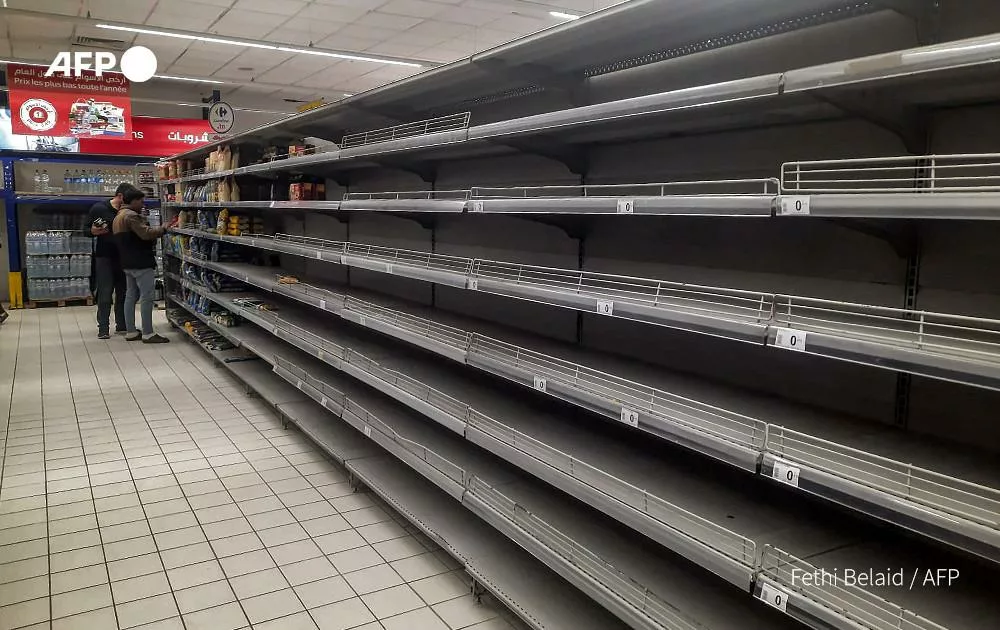
Compounding this loss of purchasing power are recurring shortages of basic necessities. Depending on the time of year, sugar, coffee, milk and dairy products, rice, pasta, certain cooking oils, and even essential medications have become difficult to obtain. These supply disruptions, which can sometimes be prolonged, are not merely economic disruptions; they directly affect the ability to exercise fundamental rights and profoundly alter citizens’ daily lives.
These challenges also affect essential public services. Restrictions on drinking water distribution—which have become a recurring problem across all regions of the country due to the combined effects of water stress and difficulties in operating infrastructure—are undermining the right to water. Recent power outages, particularly during periods of high summer consumption, have caused significant financial losses and disrupted not only the daily lives of households but also the operations of small businesses, companies, and public services.
The healthcare sector also illustrates the effects of these imbalances. The financial difficulties faced by the Central Pharmacy have led to supply shortages of several hundred medications, particularly affecting people with chronic illnesses and exacerbating inequalities in access to care.
Thus, the erosion of economic and social rights appears to be the most visible manifestation of an economic crisis that has become systemic. Behind the social indicators lie deep-seated macroeconomic imbalances that are gradually undermining the state’s capacity to intervene, fueling a growing sense of economic insecurity, and contributing to the erosion of citizens’ trust in public institutions.
These developments call for looking beyond the social reality to analyze the underlying economic causes. Indeed, the erosion of economic and social rights cannot be fully understood without examining the changes in the key macroeconomic balances that underlie it.
III. The Widening of Macroeconomic Imbalances
The erosion of economic and social rights is taking place against a backdrop of persistent macroeconomic imbalances that are gradually limiting the government’s ability to fulfill its economic and social functions. While social indicators reflect the effects of the crisis, the main macroeconomic aggregates make it possible to measure its economic causes and scope.
Table 2. Trends in Key Macroeconomic Indicators (2021–2026)
| Macroeconomic indicator | Status in 2021 | Situation in 2026 |
| National GDP (Nominal)[3] | $46.68 billion | $45.20 billion |
| Real GDP growth[4] | +4,7 % | +2,5 % |
| Public Debt-to-GDP Ratio | 79.9% of GDP | 84.9% of GDP |
| Share of domestic debt | 37.0% of the total | 74.8% of the total ($63.5 billion) |
| Share of External Debt | 63.0% of the total | 25.2% of the total ($21.4 billion) |
| Annual budget deficit | -3.4% of GDP | -7.4% of GDP |
| Net foreign currency reserves | 130 days | 90 days of imports ($7.2 billion) |
| IDE: Energy Sector | $142 million | $181 million |
| IDE: Excluding Energy (Industry/Services) | $463 million | $297 million (35% drop) |
| Phosphate Production | 3.7 million metric tons | 4.5 million metric tons |
| Oil Production[5] | 38,000 barrels per day | < 30 000 barils/jour |
Sources : Central Bank of Tunisia, IMF, Tunisian Ministry of Energy, FIPA, compiled by the author
The simultaneous trend in these indicators points to a gradual weakening of the fundamental principles of the Tunisian economy. Taken together, they reflect a reduction in the government’s financial flexibility and a diminished capacity to sustainably support growth and social policies.
3.1. Insufficient Economic Growth
After the rebound seen at the end of the pandemic, economic growth has gradually slowed, returning to a pace that is insufficient to meet the country’s needs. Such a level of growth does not allow for a sustainable reduction in unemployment, the creation of quality jobs, or the generation of the resources needed to finance public policies.
This weakness can be attributed in particular to stagnant private investment, a decline in public investment due to budgetary constraints, and an economic environment marked by significant uncertainty. Major international financial institutions also emphasize that growth prospects remain limited in the absence of structural reforms regarding state-owned enterprises, the business climate, economic governance, and public finances.
Weak growth thus perpetuates a vicious cycle: it reduces tax revenue, limits the government’s ability to invest, and, in turn, hampers the prospects for economic recovery.
3.2. An increasingly burdensome public debt
The trend in public debt illustrates the government’s increasingly limited financial flexibility. While the repayment of the Eurobond in July 2026 prevented a default, it resulted in a significant decline in the Central Bank’s foreign exchange reserves.
At the same time, the very structure of the debt has changed profoundly. The growing share of domestic financing reflects difficulties in accessing international financial markets but also ties up a significant portion of the national banking system’s resources. This phenomenon reduces the financing capacity of private companies, limits productive investment, and has a crowding-out effect on the economy.
3.3. Insufficient Investment to Support Growth
Investment remains one of the main weaknesses of the Tunisian economy. Foreign direct investment continues to fall short of the country’s needs and remains concentrated in a limited number of sectors, primarily manufacturing, energy, and certain services.
Beyond their low volume, FDI[6] struggles to generate transformative projects capable of bringing about lasting change to the productive fabric and creating high-value-added jobs. Several investors point to the lack of economic visibility, regulatory instability, and concerns regarding legal certainty as factors explaining this caution. These elements will be analyzed in greater detail in Part Four, which is devoted to governance.
3.4. Foreign Exchange Reserves Under Pressure
Foreign exchange reserves are a key indicator of a country’s financial resilience. Their gradual decline reduces Tunisia’s ability to meet its external obligations, finance its strategic imports, and absorb potential international shocks.
This situation stems from a combination of rising debt service costs, energy dependence, weak exports in certain traditional sectors, and modest foreign investment inflows.
3.5. An Energy Crisis That Has Become Structural
The energy sector is currently one of the main sources of economic vulnerability. Domestic hydrocarbon production has been declining for several years, while domestic demand continues to rise. This trend increases dependence on imports, drives up the energy bill, and heightens the need for foreign currency.
At the same time, the financial difficulties faced by public companies in the sector—notably STEG[7]—are limiting the investments needed to modernize production and distribution infrastructure. Recent power outages illustrate the growing tensions between rising demand, limited production capacity, and aging grids. Beyond their impact on households, these challenges directly affect the competitiveness of businesses and the continuity of economic activity.
3.6. Water stress has become a major economic risk
Tunisia is facing a water crisis whose consequences now extend beyond environmental concerns alone. Repeated episodes of drought, the overexploitation of groundwater, significant losses in the distribution networks, and delayed investments in water infrastructure have led to a lasting decline in water availability.
Water use restrictions and regular interruptions in water supply directly affect households, as well as agriculture, food security, tourism, and several water-intensive industrial sectors. Water stress thus emerges as a major factor in economic vulnerability, the effects of which are expected to intensify as a result of climate change.
Taken as a whole, these imbalances reflect the gradual weakening of the fundamentals of the Tunisian economy. They provide a measure of the crisis’s magnitude, but do not, on their own, explain its root causes. International shocks and structural constraints have undoubtedly played a decisive role. However, their impact has been amplified by several governance factors that have gradually eroded the confidence of economic actors, reduced the government’s ability to implement reforms, and limited the prospects for recovery. The following section is devoted to an analysis of these factors.
IV. Governance Factors: A Crisis of Trust
The preceding sections have shown that the deterioration in economic and social rights observed between 2021 and 2026 is taking place against a backdrop of steadily worsening macroeconomic imbalances. However, this trend cannot be explained by a single cause. Tunisia has faced a succession of exogenous shocks—the consequences of the COVID-19 pandemic, the genocide in Gaza, which set much of the world ablaze and profoundly reshaped both the geopolitical and economic balances in the region, the repercussions of the war in Ukraine, the global energy crisis, international inflationary pressures, and the slowdown in the global economy—which have affected all economies, particularly the most vulnerable ones. Compounding these factors are long-standing structural constraints, notably water stress, declining phosphate and hydrocarbon production, and economic imbalances that have accumulated over several decades.
These factors account for a significant portion of the current economic difficulties. However, they do not explain why Tunisia has faced greater difficulties than other comparable economies in absorbing these shocks, restoring the confidence of economic actors, and implementing reforms that could mitigate their effects. This analysis argues that the quality of governance is a key explanatory variable for this development.
Governance factors were not merely phenomena that coincided with the crisis. By gradually eroding confidence, they amplified the effects of economic shocks, reduced the Tunisian economy’s ability to adapt, and limited the prospects for recovery. Yet, in economics, confidence is a fundamental intangible asset. It influences investment decisions, corporate strategies, saving and consumption patterns, the cost of financing, and the credibility of public policies. It also determines a government’s ability to sustainably mobilize its international partners and carry out the reforms necessary for development.
The following developments highlight five governance factors that have contributed to this gradual erosion of trust: institutional instability, the erosion of legal certainty, the weakening—or even the absence—of economic and social dialogue, tensions with international partners stemming from a dogmatic approach to economic policy, and the lack of a long-term strategic vision. Taken together, these factors have helped transform an economic crisis into a crisis of confidence, the consequences of which are now evident both in economic performance and in the effective exercise of economic and social rights.
4.1. Institutional instability incompatible with long-term reforms
Institutional stability is one of the essential conditions for the continuity of public policy. Major economic reforms—whether they concern public finances, taxation, public enterprises, energy policy, or agricultural policy—take several years to be designed, implemented, and to produce results. They also require political and administrative continuity to ensure that the policies put in place are followed through.
Since July 25, 2021, Tunisia has seen a rapid succession of heads of government[8]. In less than five years, five heads of government have come and gone, and there have also been several cabinet reshuffles.
This instability particularly affected the ministries directly responsible for implementing economic policies. The ministries of Finance, Economy and Planning, Agriculture, Commerce, Industry, and Energy have seen frequent changes in leadership, with some having had four or five successive ministers in just a few years. These changes were sometimes compounded by periods of interim leadership, further complicating the continuity of public policy.
This instability was not limited to the political sphere; it also affected the civil service. Several waves of appointments led to the replacement of dozens of governors, numerous CEOs of public enterprises, directors general of public institutions, and senior administrative officials. This exceptionally high turnover weakened institutional memory, slowed the implementation of public policies, and reinforced an administrative culture focused more on risk management than on initiative.
For investors and economic partners alike, this institutional instability reduces the predictability of government action. It raises questions about the continuity of economic policies and gradually erodes confidence in the government’s ability to carry out reforms whose effects can only be measured in the medium and long term.
4.2. Eroded Legal Certainty and a Deteriorating Business Climate
Investment depends as much on economic prospects as it does on confidence in institutions. This confidence requires a stable legal framework, predictable rules, and administrative procedures that are clear enough to enable economic actors to make investment decisions over a period of several years.
Since 2021, several business leaders, former ministers, senior government officials, judges, and other public figures have been subject to legal proceedings, precautionary measures, or investigations. Beyond the judicial decisions themselves, it is their predictability, consistency, and the safeguards ensuring the independence of the judiciary that determine the confidence of economic actors. The fight against corruption and the obligation to be accountable are, of course, fundamental requirements of the rule of law. However, when procedures appear insufficiently predictable and transparent or take place within an institutional context perceived as unstable, they can also contribute to a greater sense of economic uncertainty.
Added to this perception were frequent changes to the regulatory and tax frameworks, as well as several reforms that raised questions among economic actors regarding their implementation and long-term stability. However, in an open economy, the decision to invest depends not only on a project’s expected profitability, but also on investors’ ability to anticipate changes in the rules governing their activities.
Legal certainty does not merely protect investors; it also serves as a guarantee of good governance. It promotes the efficient allocation of resources, reduces the cost of risk, improves access to financing, and strengthens the credibility of public policy. Conversely, when rules appear to be constantly changing, difficult to predict, or applied inconsistently, investment decisions are often postponed, the riskiest projects are abandoned, and capital flows toward environments deemed more stable.
This gradual erosion of confidence helps explain, at least in part, the persistent weakness in private investment observed in recent years. It serves as a reminder that legal certainty is not only a principle of the rule of law but also a key determinant of economic growth and, ultimately, of the state’s ability to guarantee economic and social rights.
4.3. The Erosion of Economic and Social Dialogue
Trust does not rest solely on the stability of institutions and the predictability of rules. It also depends on the ability of public authorities to forge lasting compromises with various economic and social stakeholders. In most economies, the most sensitive reforms—whether they concern state-owned enterprises, pensions, compensation, taxation, or the labor market—cannot be implemented sustainably without a structured dialogue between the government, labor unions, employer representatives, and, more broadly, civil society.
In Tunisia, this dialogue has long been one of the defining features and strengths of economic governance. Despite its limitations, it made it possible to seek compromises on often complex reforms and to strengthen their social acceptability. Since 2021, this dynamic has gradually been reduced to its bare minimum. Institutionalized forums for consultation have become scarce, and dialogue between public authorities, social partners, and organizations representing the private sector has diminished considerably or even ceased entirely. The governance model implemented since 2021 is based on a high degree of centralization of power, deliberately excluding the intermediary bodies that once served as social mediators. The traditional tripartite dialogue between the government, the powerful trade union federation (UGTT), and the employers’ organization (UTICA) no longer exists. Moreover, a series of measures has been implemented to weaken the UGTT—historically the most powerful political actor—and strip it of the basis for its union prerogatives in favor of the ruling power. For example, the 2025 Finance Act[9] stipulates: “Salaries and wages in the public and private sectors shall be increased for the years 2026, 2027, and 2028. This increase applies to retirees’ pensions. The increase in salaries, wages, and retirees’ pensions shall be set by decree.”
It is thereforethe decree—and not collective bargaining or a new law—that sets wage increases for three consecutive years. This mechanism represents a major change: it amountsto setting aside—or at the very least marginalizing—the collective bargaining mechanisms provided for in the Labor Code, as well as an entire system of labor relations, collective bargaining agreements, and social gains that has been gradually built up through negotiations and shifts in the balance of power in the workplace since independence.
This development has made it more difficult to reach compromises on several major reforms, particularly those concerning state-owned enterprises, subsidies, pensions, and public finances.
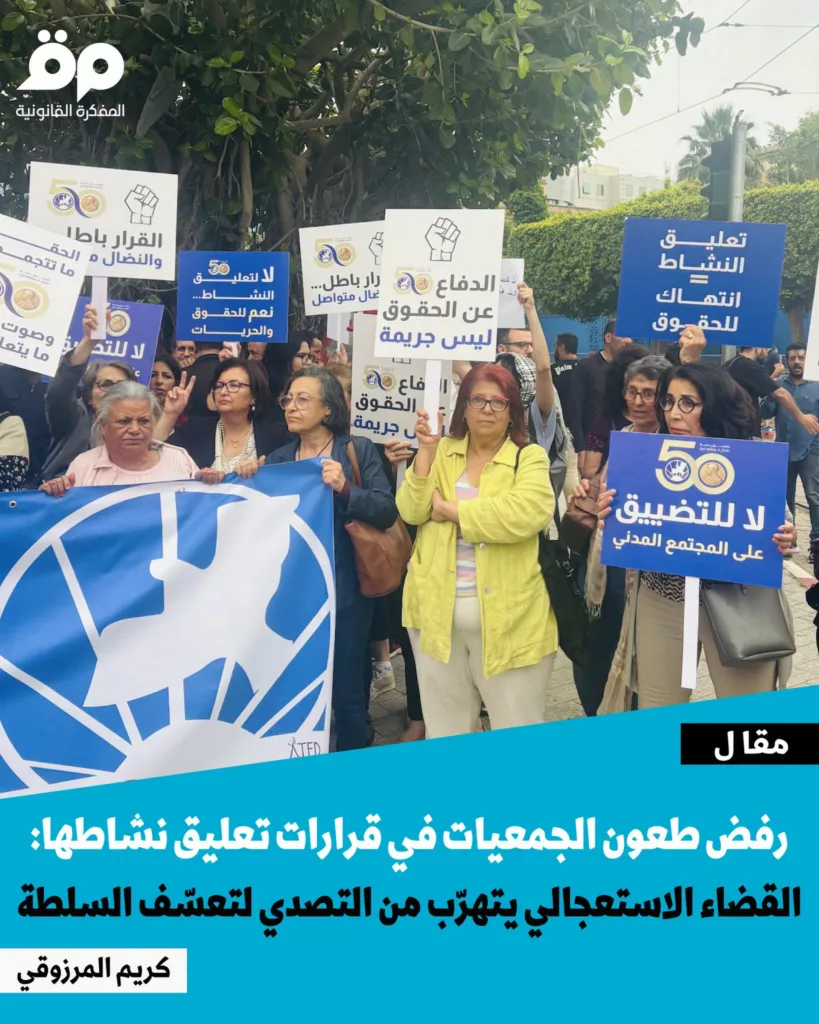
The decline in dialogue has also affected professional organizations, research centers, academics, and civil society organizations, whose analyses and recommendations are ignored or even criminalized. Their reports raising concerns are perceived as attempts at political destabilization rather than as contributions to the public interest. Yet the quality of economic policies also depends on their ability to draw on diverse expertise, to compare different viewpoints, and to anticipate the potentially undesirable effects of proposed reforms.
The weakening of dialogue thus has a twofold effect. On the one hand, it complicates the implementation of economic reforms by reducing their social acceptability. On the other hand, it contributes to a sense of exclusion among many economic and social actors, who may feel that they are no longer involved in decisions that directly affect their work or living conditions. This trend is gradually eroding trust, which is essential to the success of long-term economic transformations.
4.4. A Concept of Sovereignty with Growing Economic Consequences
The fourth development concerns the way in which economic policy has gradually come to revolve around an increasingly assertive conception of national sovereignty. Since 2021, Tunisian authorities have made the rejection of “external dictates” and the reaffirmation of decision-making autonomy a central element of their political discourse. This stance has not been limited to economic issues: it has also been invoked in response to criticism from several international partners regarding developments in the rule of law, judicial independence, the arrests of political leaders, restrictions on civil liberties, and rhetoric targeting migrants from sub-Saharan Africa.
The principle of sovereignty is, of course, a cornerstone of international law and an essential attribute of any state. However, when it is systematically invoked to dismiss concerns raised by international partners regarding democratic governance, human rights, or economic reforms, it can gradually transform dialogue into a relationship of mistrust. In a context of heavy financial and trade dependence, this development is not without economic consequences.
The most significant example concerns the negotiations with the International Monetary Fund. Although an agreement in principle had been reached in the fall of 2022 for a program worth approximately $1.9 billion, it was ultimately never approved. The Tunisian authorities rejected several reforms associated with the program, arguing that they were incompatible with the country’s sovereign decisions.
Beyond the loss of the funding itself, the failure to reach an agreement with the IMF had broader consequences. In emerging economies, a program supported by the Fund generally serves as a signal of credibility that can facilitate access to international financial markets, reassure other lenders, and improve the perception of sovereign risk. The absence of such a program has contributed to increased difficulties in accessing external financing and has reinforced dependence on domestic resources, in a context where fiscal margins were already severely constrained.
Relations with the European Union—Tunisia’s leading trade and financial partner—have also seen a gradual erosion of trust. In addition to differences over migration policies, European institutions and several member states have expressed concerns regarding the erosion of the rule of law, the prosecution of political opponents, judges, journalists, and civil society actors, as well as violations of fundamental freedoms. In this context, the Tunisian authorities’ decision to return to the European Union a sum of 60 million euros that had already been disbursed—on the grounds that the conditions attached to it were incompatible with national sovereignty—constituted a particularly symbolic political gesture. While this decision was intended to reaffirm the independence of national policy choices, it was also interpreted as a sign of a relationship that had become more contentious with the country’s main economic partner. Beyond its limited budgetary impact, this decision was perceived as a political signal illustrating the priority given to sovereignty over the pursuit of compromise with international partners.
The repayment, in July 2026, of the 700 million euro Eurobond also illustrates the trade-offs the authorities faced. This transaction enabled Tunisia to honor its international commitments and avoid a default, thereby preserving its financial credibility. However, it resulted in a significant decrease in the Central Bank’s foreign exchange reserves, temporarily reducing the country’s room to maneuver in the face of potential external shocks.
Taken as a whole, these various episodes point to a deeper shift: the rise of an approach based more on the political assertion of sovereignty than on the search for a balance between national autonomy, international cooperation, and economic credibility. However, for an open economy facing significant financing needs, sovereignty cannot be considered in isolation from the confidence inspired by institutions, public policies, and respect for international commitments.
The issue, therefore, is not to pit sovereignty against international cooperation. It is to recognize that economic sovereignty is strengthened when it is based on credible institutions, an effective rule of law, and relationships of trust with international partners. Conversely, when sovereignty is perceived as a means of dismissing all criticism or cooperation, it paradoxically risks undermining the state’s very ability to finance its development and to sustainably protect the economic and social rights of its population.
4.5. The Lack of a Long-Term Strategic Vision
Beyond institutional instability, the erosion of legal certainty, the weakening of economic and social dialogue, and tensions with international partners, another question arises:What economic path is Tunisia seeking to chart in the medium and long term? The proliferation of measures designed to address immediate constraints does not always make it possible to identify an overarching strategy that provides a clear direction for economic and social policies.
This issue is crucial because economic policy cannot be reduced to a series of crisis responses. The choices made today regarding debt, taxation, investment, energy, industrial policy, exchange rates, and foreign trade have effects that extend well beyond the fiscal cycle. A decision may thus help resolve a short-term constraint while, if not integrated into a coherent strategy, creating new constraints in the medium or long term.
This concept aligns with the approach developed by the Organization for Economic Cooperation and Development (OECD) regardingstrategic foresight. The OECD[10] defines strategic foresight as a structured and systematic approach for exploring several plausible futures in order to better anticipate changes and inform public policy decisions. It emphasizes that the goal is not to predict a single future, but to examine various possible futures—along with their risks and opportunities—in order to inform decisions made in the present.
This approach also involves incorporating a long-term perspective into current decisions and testing the robustness of policies under various scenarios. The OECD[11] emphasizes, in particular, that strategic foresight can help identify the future consequences of present decisions, strengthen the coherence of public policies, and make strategies more resilient in the face of uncertainty.
Based on this definition, a long-term economic strategy is therefore not simply a matter of setting general objectives. It involves defining a coherent path, identifying the necessary trade-offs, and ensuring compatibility among various public policies: public finances, monetary policy, taxation, investment, energy, agriculture, foreign trade, social protection, and environmental transition.
However, several decisions made or policies adopted since 2021 can be analyzed from this perspective as prioritizing responses to immediate constraints without always being accompanied by a strategy to manage their longer-term consequences.
The shift in the structure of public debt is a prime example of this.Increased reliance on domestic financing has enabled the government to meet its short-term financing needs amid difficulties in accessing international markets. However, this trend also increases the diversion of resources from the banking system toward public financing and may reduce the resources available for corporate financing. An effective response to an immediate constraint can thus, in the long run, produce a crowding-out effect that could weigh on private investment and growth.
The instability of the tax framework is a second example.The pursuit of additional revenue may address an immediate budgetary constraint. But when tax rules are frequently changed or become difficult to predict, they increase the uncertainty faced by businesses and investors. The problem, therefore, is not only the level of taxation, but also its predictability and consistency with a long-term investment and growth strategy.
The reform of the check system provides a third example.Law No. 2024-41 of August 2, 2024, amending and supplementing certain provisions of the Commercial Code relating to checks, aimed in particular to modernize the payment system and limit the risks associated with bounced checks. However, in practice, checks also served an important function as a form of commercial credit. The effects of the reform on business-to-business relationships, payment terms, and the cash flow of small and medium-sized enterprises thus demonstrate that a reform designed to achieve a legitimate objective must also be evaluated in light of its indirect and long-term economic effects.
A fourth example is the tightening of controls on certain imports.The desire to preserve foreign exchange reserves stems from a real external constraint. However, when restrictions or additional procedures affect businesses’ access to imported inputs and equipment, they can also increase production costs, disrupt supply chains, and limit productive capacity. The issue, therefore, is not merely one of immediately reducing demand for foreign currency, but rather one of whether these measures are compatible with a strategy aimed at sustainably strengthening domestic production and competitiveness.
Finally, exchange rate policy illustrates the difficulty of balancing short-term stability with long-term competitiveness.Preserving reserves and limiting external imbalances are legitimate objectives. But exchange rate policy must also be aligned with objectives related to inflation, competitiveness, investment, and export growth. The challenge, therefore, is not so much to prioritize one objective at the expense of the others as it is to define a coherent framework that allows for balancing them over the long term.
These examples do not mean that each of these measures is, in and of itself, necessarily wrong. Rather, they show that a public policy must be evaluated not only on the basis of its immediate objective, but alsoin terms of its long-term effects, its interactions with other public policies, and its compatibility with a long-term economic trajectory.
This is precisely what a strategic approach enables: examining the possible consequences of a decision before they materialize, identifying trade-offs between objectives, and verifying that current choices are consistent with long-term goals. The absence of such a perspective can lead to a series of ad hoc responses to economic constraints, without these responses forming part of a trajectory that is sufficiently clear to citizens, businesses, and international partners.
The issue of strategic vision is thus directly linked to that of trust.Economic actors need not only to know what measures are being taken today; they need to be able to anticipate, with a reasonable degree of confidence, the environment in which they will operate tomorrow.The predictability of public policies therefore becomes an essential component of economic trust.
The challenge for Tunisia, therefore, is not to choose between sovereignty and openness, between fiscal discipline and investment, or between short-term stability and structural transformation. Rather, it is to develop a strategy that allows these objectives to be aligned over time, makes the trade-offs explicit, and provides economic and social actors with sufficient clarity regarding the country’s trajectory.
A long-term strategic vision does not guarantee the absence of crises. It does, however, make it possible to better anticipate them, spread out their costs, adapt public policies, and preserve the country’s ability to invest in its future. It is in this sense that it serves not only as an instrument of economic policy but also as a means of restoring confidence.
V. Recommendations: Rebuilding Trust to Restore a Path Toward Sustainable Development
The economic and social crisis currently facing Tunisia cannot be resolved through budgetary adjustments or isolated short-term measures. Previous analyses show that it stems from the interplay between macroeconomic imbalances, structural constraints, and a governance crisis that has gradually eroded the confidence of citizens, investors, and international partners. The following recommendations are based on this rationale: they aim first and foremost to restore confidence, which is an essential prerequisite for economic recovery and the sustainable protection of economic and social rights.
5.1. Restore a Long-Term Strategic Vision
The top priority is to define a genuine national development strategy based on clear, measurable, and shared objectives. According to the OECD’s approach toStrategic Foresight, public policies should be guided by a long-term perspective, ensuring coherence among fiscal, industrial, agricultural, energy, social, and environmental policies. Such a vision would enhance the predictability of public policy and provide investors, businesses, and international partners with a stable framework that fosters investment decisions.
5.2. Restoring Trust in Institutions
Restoring confidence also requires strengthening the rule of law. This entails fully guaranteeing the independence of the judiciary, the stability of institutions, legal certainty, and the predictability of the rules applicable to economic actors. An economy cannot attract investment over the long term when the rules appear unstable or when institutions are perceived as lacking sufficient independence. Institutional confidence is thus a genuine economic asset.
5.3. Revitalizing Economic and Social Dialogue
The most significant economic reforms cannot produce lasting results without collective support. It is therefore essential to reestablish a structured dialogue involving social partners, professional organizations, local governments, academics, and civil society. Such a dialogue does not hinder reforms; rather, it is often a prerequisite for their success by fostering the search for lasting compromises and strengthening their legitimacy.
5.4. Revitalizing Economic Reforms to Build Confidence
Economic recovery also depends on the gradual implementation of long-delayed structural reforms: modernizing state-owned enterprises, tax reform, improving the business climate, the energy transition, securing water resources, and providing greater support for private investment, innovation, and entrepreneurship. However, these reforms would benefit from being carried out within a stable, transparent, and predictable framework in order to restore the confidence of economic actors in a sustainable manner.
5.5. Placing Economic and Social Rights at the Center of Public Policy
Finally, recovery policies can only be fully effective if they remain consistent with the protection of economic and social rights. Economic adjustments must be accompanied by mechanisms to protect the most vulnerable households, so that the costs of the reforms do not result in increased inequality. Economic development and human rights are not competing goals; they reinforce one another when integrated into a single development strategy.
VI. Conclusion: The Three Pillars of Trust—Human Rights, the Rule of Law, and Economic Development
The Tunisian experience underscores a fundamental reality: there is no conflict between human rights and economic development. On the contrary, these two dimensions reinforce one another. A sustainably successful economy is one that is capable of creating opportunities, reducing vulnerabilities, and progressively guaranteeing the economic and social rights of its citizens.
But between these two dimensions lies a third essential pillar that is all too often underestimated: trust.
Institutional trust enables citizens to believe in the government’s ability to act fairly, transparently, and predictably.
Economic confidence enables entrepreneurs and investors to take risks, invest, innovate, and create jobs.
Social trust enables the various segments of society to accept the necessary changes and to reach the compromises essential to reform.
Trust is the missing link between governance and economic and social rights: it transforms the quality of institutions into investment, investment into growth, and growth into the actual capacity to guarantee rights.
That is why human rights, the rule of law, and economic development form an inseparable triad. The rule of law guarantees legal certainty and the predictability of rules; good governance ensures transparency, consistency, and accountability in public action; and human rights guarantee the dignity, participation, and inclusion necessary for sustainable development.
When these three pillars reinforce one another, confidence grows, reforms become possible, investment expands, and the economy regains its ability to generate the resources needed to improve living conditions.
Conversely, when trust erodes, the consequences extend far beyond the institutional sphere: they affect investment, slow growth, undermine social cohesion, and jeopardize the effective realization of economic and social rights.
Tunisia does, however, possess considerable strengths: a recognized human capital base, a strategic geographic location, a dynamic entrepreneurial ecosystem, and significant potential in the fields of renewable energy, innovation, and high-value-added industries. These strengths remain intact. Fully harnessing them, however, requires a profound change in approach and governance.
Tunisia’s real challenge is not merely to overcome an economic crisis; it is to rebuild the conditions of trust without which no development strategy can be sustainable. This trust requires stable and accountable institutions, an independent judiciary that guarantees legal certainty and equality before the law, a transparent and predictable administration, and a public sphere where the freedoms of expression, association, and participation can be fully exercised. It also requires an open dialogue with social partners, the private sector, local governments, and civil society, so that major economic policies are based on genuine participatory democracy rather than unilateral decisions.
Economic recovery, respect for human rights, and the strengthening of the rule of law are not competing goals but rather components of a single vision for society. It is by reconciling these three objectives that Tunisia will be able to restore trust in a sustainable manner, attract investment, strengthen its resilience in the face of future crises, and provide its citizens with the conditions for inclusive, sustainable development that respects human dignity.
[1] Arrow, K. (1972) “Gifts and Exchanges,” *Philosophy and Public Affairs*
[2] North, D. (1990), *Institutions, Institutional Change, and Economic Performance*, in *Political Economy of Institutions and Decisions*, Cambridge.
[4] Annual Report of the Central Bank of Tunisia (2025)
[5] Tunisian Ministry of Energy
[6] FDI: Foreign Direct Investment
[7] STEG: Tunisian Electricity and Gas Company
[8] Following Hichem Mechichi’s dismissal in July 2021, Najla Bouden led the government from October 2021 to August 2023, before being replaced by Ahmed Hachani, who was in turn replaced in August 2024 by Kamel Madouri. In March 2025, Sarra Zaâfrani Zenzri became head of the government.
[9] JORT, Law No. 2025-17 of December 12, 2025, enacting the Finance Act for the year 2026.