On July 25, 1957, 67 years ago, the National Constituent Assembly proclaimed the establishment of the Tunisian Republic, putting an end to the reign of the Husseinite beys. But this republic has faced many challenges since its establishment, due to the monopoly of power, authoritarianism and repression. Habib Bourguiba tried to establish a "modern republic", but his absolute rule gutted the values on which it was based. Then Zine El Abidine Ben Ali accentuated the authoritarian trend, transforming the republic into a police state. The 2011 revolution was an important historical milestone marking the restoration of the republic. Despite its many shortcomings, weaknesses and the mediocre performance of successive parties and governments, it returned to its principles of freedom and democracy. Then came the consensual Constitution of 2014, establishing a new stage in the life of the republic, enshrining in most of its chapters values and principles consistent with its foundations.
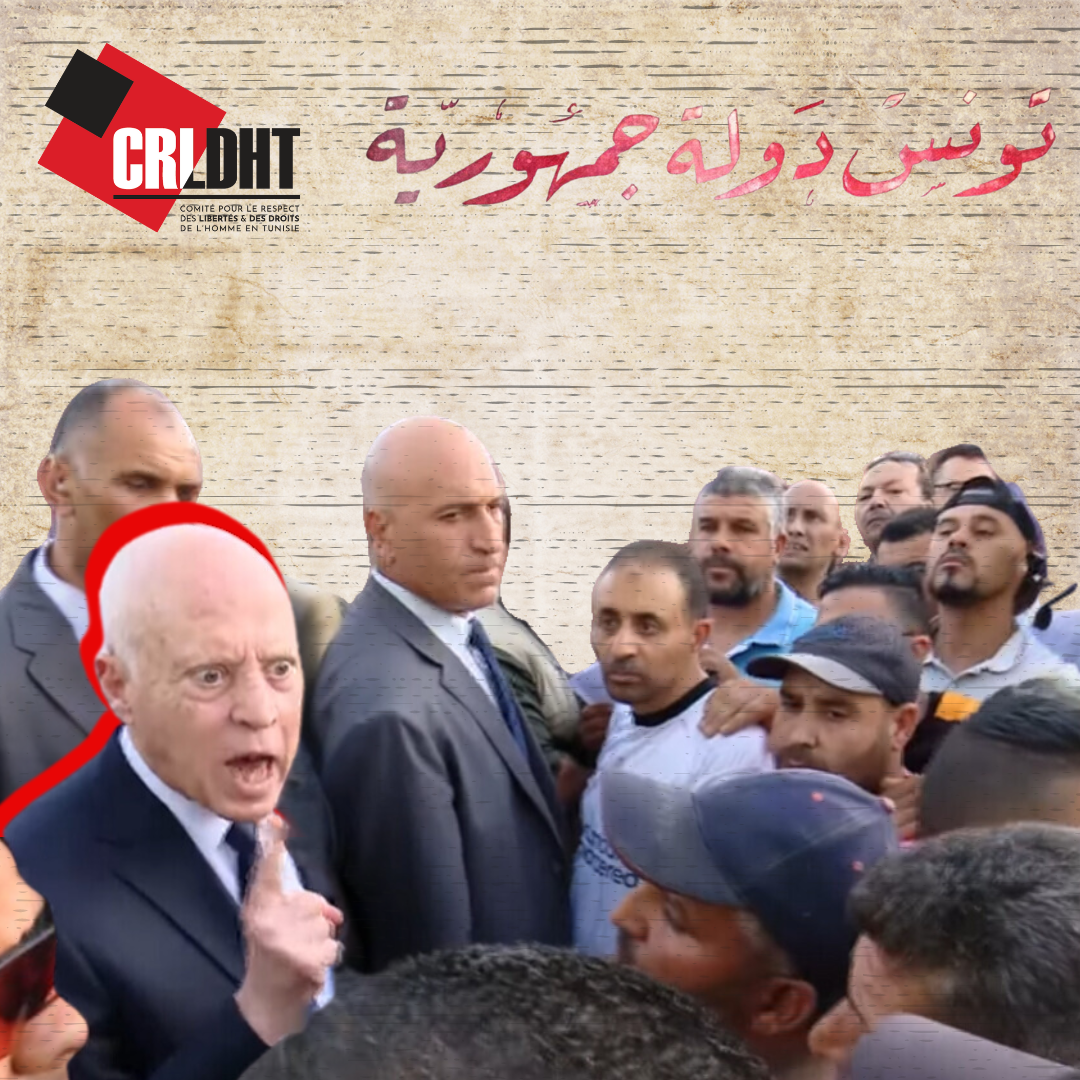
Until Kaïs Saïed took his exceptional measures on July 25, 2021, which turned out to be designed not to reform, but to monopolize power and strike at all regulatory and supervisory institutions, starting with Parliament, a body elected by universal suffrage, and including all other independent institutions such as the Superior Council of the Judiciary (CSM). In this new authoritarian state, the CSM, for having demonstrated its attachment to the independence of the judiciary, is today reduced to a function at the behest of the executive, unjustly sentencing opponents and critics of the regime to harsh sentences. This repressive situation has led to the imprisonment of opposition political leaders on serious charges, and to the incarceration of most of them without trial, in violation of all laws governing legal periods of pre-trial detention. Kaïs Saïed not only imprisons political opponents, but also, under Decree 54, prosecutes any citizen who dares to criticize the regime or complain about an arbitrary measure. As a result, no matter how mild the criticism, dozens of journalists and ordinary citizens find themselves imprisoned on the basis of a statement or phrase that the current regime has deemed to represent "something monstrous undermining the dignity and authority of the President".
Even those who believed that the President's July 25, 2021 initiative would put an end to the political chaos and that Kaïs Saïed, given his training as a constitutionalist, would deepen the principles of the republic and the rule of law, were surprised to see him, after a year of exceptional measures, draft a constitution that reinforces his own prerogatives, abolishes all regulatory institutions, grants himself absolute immunity and distorts all the values on which the 2014 Constitution was based, such as freedom of expression, freedom of belief, freedom of conscience, and equality between men and women. Achieving the goals of Islam even becomes the benchmark in Kais Saïd's republic, with all the ambiguity and confusion this expression entails. ...
Today, we are entitled to ask ourselves what is left of the Republic and the principles of the Revolution that it tried to restore, in the face of the arbitrary judiciary that has affected most politicians, media professionals and citizens, and in the face of the return of fear and terror to public life. What credibility can a presidential election have in these circumstances, especially after the president decided to put most of his rivals in prison or to neutralize them by saddling them with spurious accusations in order to dissuade them from running? What credibility does a presidential election have in a republic where the Electoral Body, the highest authority in the country, has no authority?
has become a body subject to the orders of the President, applying his instructions and imposing his conditions?
In making this painful diagnosis, we are not seeking to become discouraged, resigned or accept the status quo, but on the contrary to mobilize civil and political forces beyond the past with its divisions and mistakes. We must regain the initiative in order to impose a political and civil situation that fulfils the dream of generations of fighters and activists who dreamt of a Republic worthy of the name and made heavy sacrifices to consolidate its principles, the dream of those who, locked up in the prison of tyranny simply for having exercised their right to expression and criticism, the dream of a people who, almost seven decades later, still aspire to freedom, democracy and justice.
- Together for the release of all political prisoners of conscience and expression.
- Together for the restoration of the republic tarnished by the reign of personal power.
- Together for a political and social climate that puts an end to despotism and allows the construction of a state based on truly democratic institutions.