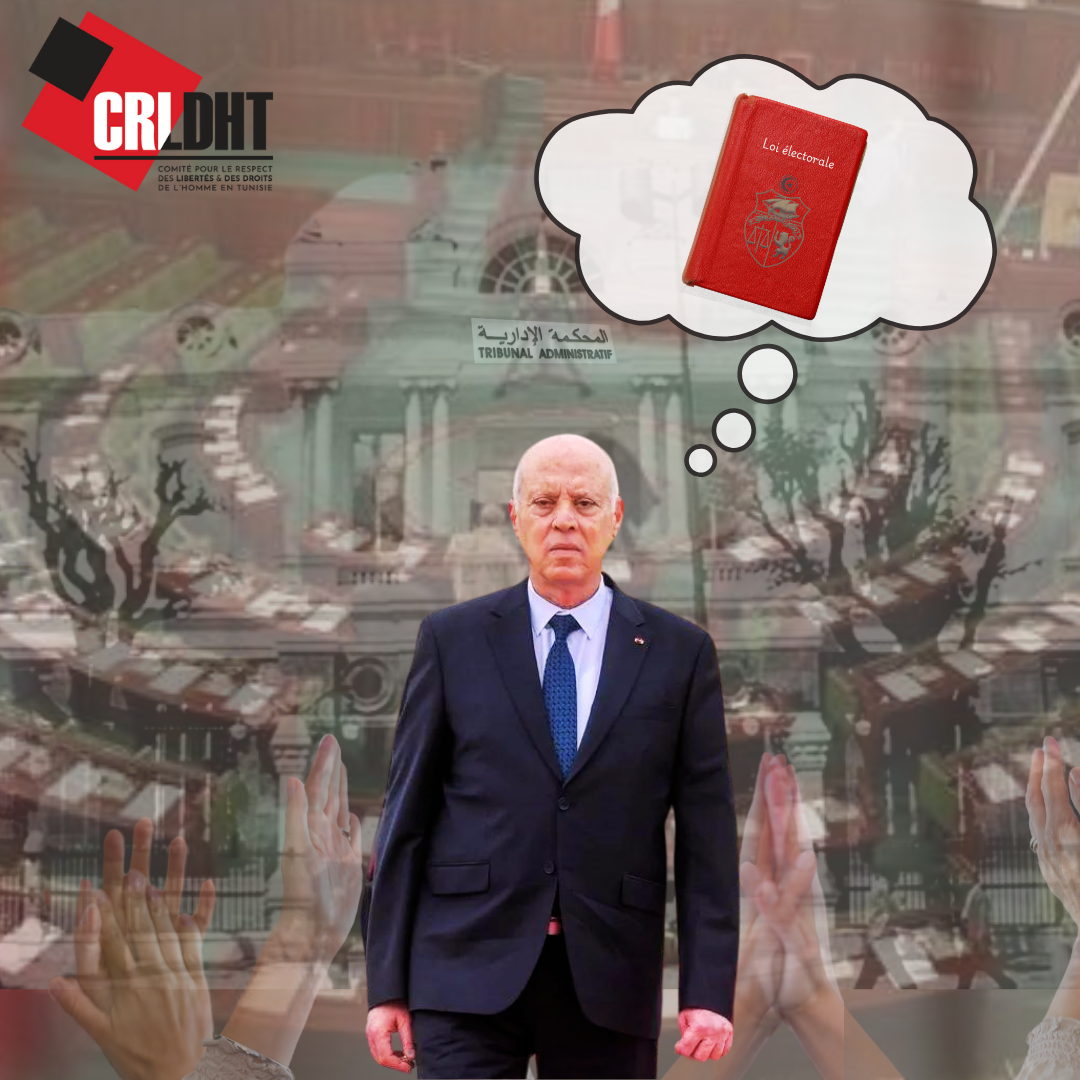
Once the "Assembly of People's Representatives" had approved the law abolishing the powers of the Administrative Court in electoral disputes - the jurisdiction that had reinstated three candidates arbitrarily rejected by the Electoral Body - its publication in the Official Gazette by Kaïs Saïed was done with the same speed with which the text had been proposed and approved. A video from 2019 was circulated in which the then candidate Kaïs Saïed declared that "changing the electoral law four months before the elections is an assassination of democracy and the values of the Republic". Five years ago, Kaïs Saïed was a constitutional law teacher and presidential candidate in an environment marked by the existence of oppositions, diverse institutions, a respected rule of law and media that criticized abuses...
Today, the constitutional law professor has become President of Tunisia, has concentrated all powers in his own hands and has destroyed all regulatory institutions, starting with the Supreme Council of the Judiciary and the Electoral Instance, which at one time was independent and had overseen several elections recognized worldwide for their transparency and integrity. In 2022, the President himself appointed its members, transforming this body into a malleable tool that allows him to secure a new mandate without competition. The same is true of Parliament, which since its installation in 2022 has served only as an echo chamber for his voice, obeying his will. Thus, he has no objection to trampling electoral law during the campaign period.
But what is it that makes a president with pharaonic powers fear fair elections?
Yet he has imprisoned most of the leaders of the political parties on baseless charges, and his judiciary has refused to try them after the end of their preventive detention, in flagrant violation of all laws. He also arbitrarily dismissed judges who refused to carry out his orders. In addition, he has promulgated repressive decrees that restrict and criminalize freedom of expression, decrees that have led dozens of journalists and citizens to severe prison sentences simply for expressing an opinion or criticizing those in power. All this so that he can have total control over political life and govern the country on his own, in his own way.
Today, he is aware that his performance has been politically disastrous, having stifled political life and isolated Tunisia from its regional and international environment. The economic crisis is worsening, and there are increasing demonstrations of popular anger due to rising prices, shortages of basic necessities, rising unemployment and increased irregular migration, as well as fears of a significant increase in public debt despite empty rhetoric about sovereignty. What's more, his accusations against the opposition and civil society no longer have any effect; they've even become subjects of mockery. All this makes him fear the results of opinion polls, which put him back in the place he really deserves, i.e. behind opposition figures who enjoy greater credibility with the Tunisian people.
Kaies Saïed does not want to lose the elections after having tried to devitalize political life, sow fear and violate rights. Like him, his supporters and followers are afraid of being held to account for the atrocities they have committed, which could be considered crimes against humanity. That's why they all prefer to adopt a strategy of headlong flight, at the cost of manipulating laws and institutions and further humiliating the Tunisian people, the same people who rose up in 2011 for freedom and dignity. Will these people accept this humiliation today? And will their elites accept that their intelligence is being mocked?
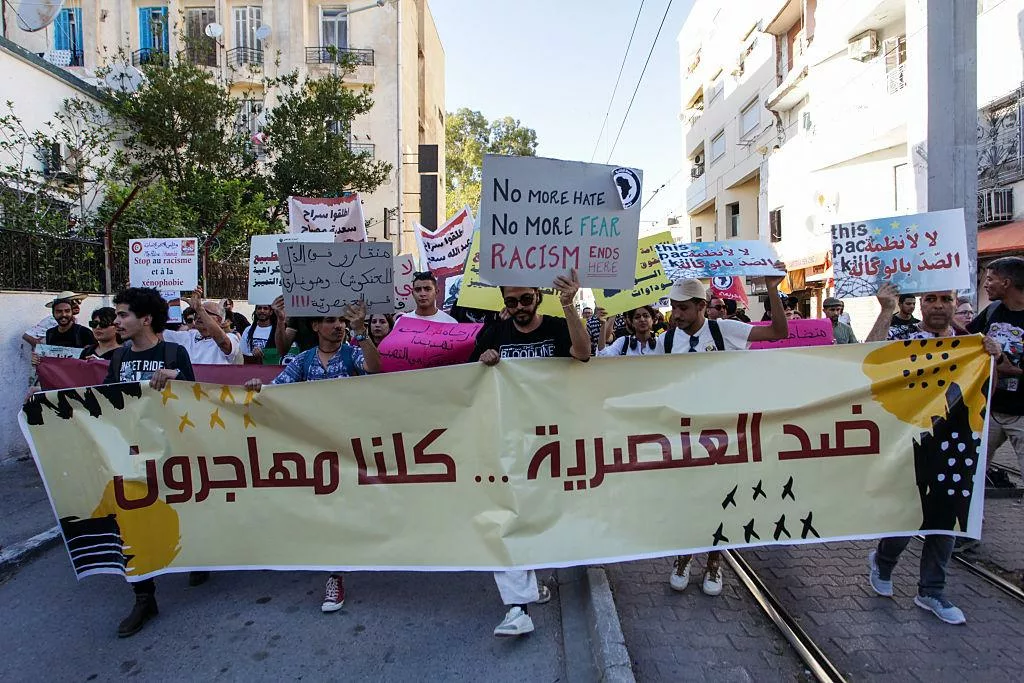
All indicators point to the contrary. Everything points to the fact that the days, weeks and months ahead will be difficult for this power, and the premises have been the demonstrations led by parties and associations, the strong slogans that have been chanted, the firm and courageous positions expressed by many bodies and organizations, such as the professors of law and political science and the Association of Tunisian Magistrates, in addition to the decisions handed down by the Administrative Court supervising the elections, as well as the bold declarations of many intellectuals and elites. We are firmly convinced that repression will increase in proportion to the fear of losing power. However, repression cannot triumph over the will of the people? This is what neither Kaïs Saïed nor his supporters have yet understood.