Detention conditions in Tunisian prisons continue to deteriorate, raising serious concerns about respect for prisoners' fundamental rights. For several months now, there have been numerous reports of abuse and mistreatment, underlining the urgent need for prison reform in Tunisia.
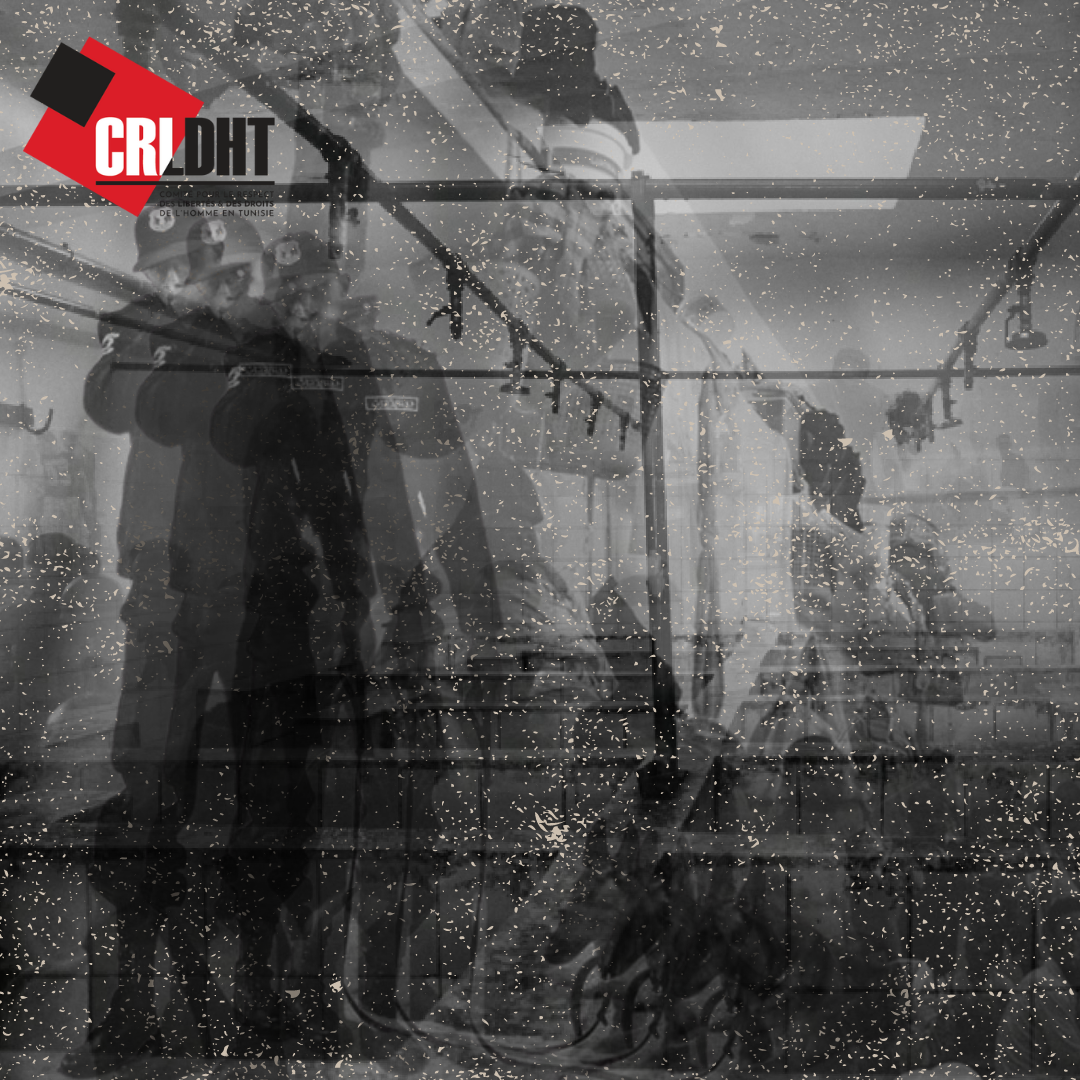
Recent reports reveal alarming prison overcrowding, with cells designed for a limited number of people sometimes housing three to four times as many. This overcrowding is leading to a deterioration in basic living conditions, with insufficient access to hygiene, poor-quality food and inadequate medical care. The lack of access to health services is of particular concern, due to the increased risk of spreading disease in these cramped, unhealthy spaces.
In addition to deplorable material conditions, cases of mistreatment and violence on the part of prison officers have been reported. Prisoners have testified to beatings, sleep deprivation and verbal harassment, sometimes in a context of total impunity. These abuses particularly concern political prisoners, arrested for their opposition to Kais Saïed's current regime.
Among these voices, the testimony of recently imprisoned lawyer and political activist Sonia Dahmani sheds light on the harsh reality experienced by political prisoners. Sonia described intolerable conditions: "We're crammed into cells with no ventilation and no running water for days on end. Insults and humiliation are a daily occurrence, especially towards those who dare to challenge the regime. I've seen political comrades beaten for simply asking for fair treatment."
She goes on to talk about the psychological pressure to which prisoners are subjected: "They want to break our spirit. We're deprived of sleep, woken up at all hours for interrogations or unwarranted searches. But perhaps the hardest thing is the isolation. They cut us off from the outside world to make us feel forgotten."
Sonia Dahmani is not alone in this situation. Other political prisoners have also reported similar treatment, underlining the increasingly severe repression of any form of dissent. Women prisoners, in particular, report discriminatory treatment and gender-based violence, adding to the harshness of their prison conditions.
Despite attempts by some human rights organizations to document these violations, access to prisons remains extremely limited, making independent monitoring of the situation difficult. These restrictions foster a climate of fear and silence, reinforcing the impunity of those responsible for abuses.
It is crucial to remember that undignified prison conditions are a direct violation of the human rights guaranteed by the international conventions ratified by Tunisia. The Tunisian authorities must take immediate steps to remedy this situation, guaranteeing respect for human dignity in prisons.
The CRLDHT will not cease to denounce these unacceptable conditions and to advocate fair justice for all prisoners, especially political prisoners like Sonia Dahmani, who continue to fight for a better future, even behind bars.