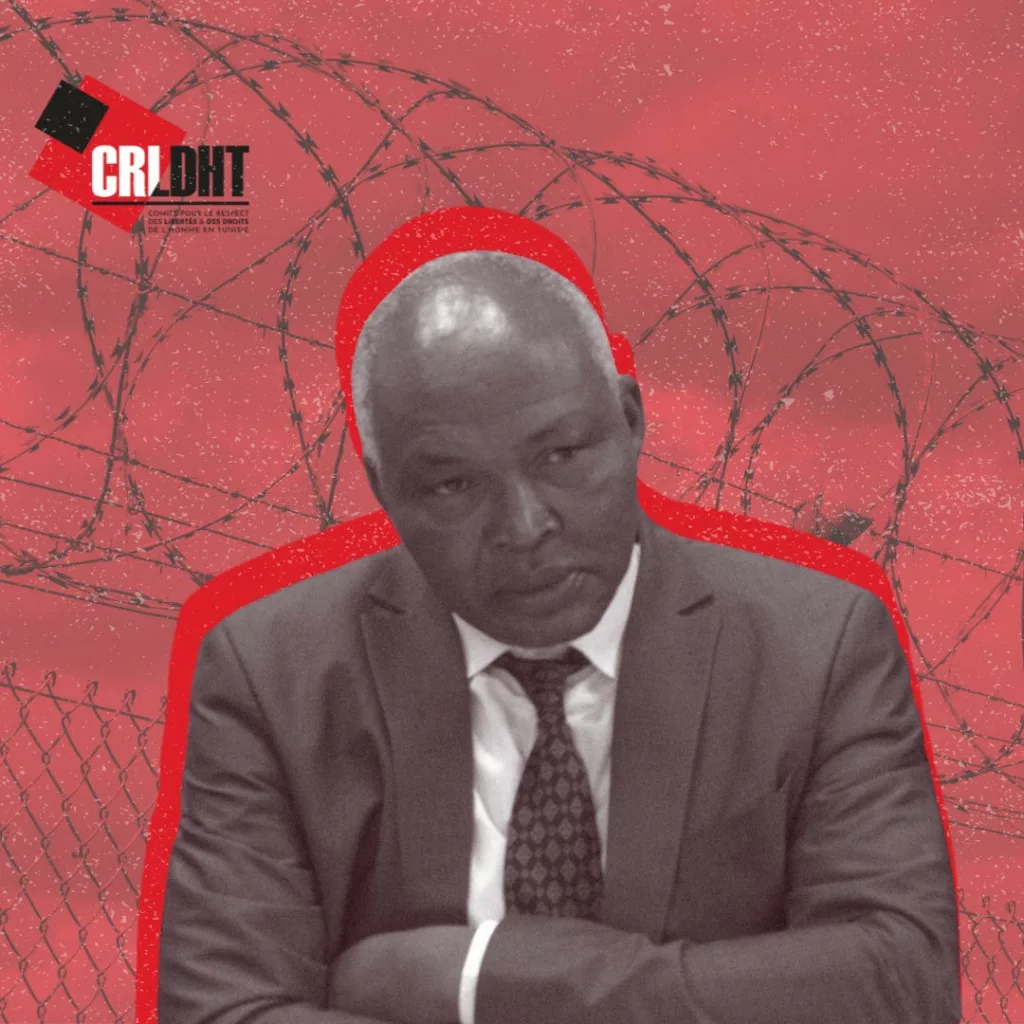

The case of Moncef Haouaidi, a prickly pear seller in Tabarka, is not an isolated miscarriage of justice. It is a brutal symbol of a repressive system that uses the justice system to silence free voices, particularly those from marginalized regions.
Sentenced in the first instance to two years in prison and a heavy fine for a simple post on social media calling for the repeal of Decree-Law 54, Moncef Haouaidi was deprived of his liberty on the basis of an abusive and deliberately broad criminal charge: "undermining the morale of the President of the Republic" and spreading "false information."
This is a charge that is as vague as it is dangerous, criminalizing opinion, political disagreement, and citizen expression.
The decision handed down on December 9, 2025, by the Jendouba Court of Appeals, dismissing the case and overturning the judgment outright, confirms what human rights defenders have been saying all along: Moncef Haouaidi should never have been prosecuted, let alone imprisoned.
But this decision, however necessary it may be, is not enough. For two years, a Tunisian citizen was arbitrarily deprived of his liberty, exposed to detention, deterioration of his health, social stigmatization, economic insecurity, and institutional violence.
For two years, the justice system was used as a tool of political intimidation, in defiance of constitutional principles, Tunisia's international commitments, and basic standards of fair trial.
Moncef Haouaidi is not a "criminal." He is a social and environmental activist, known for defending the right to water, denouncing the privatization of natural resources, and speaking out on behalf of the people in his region. His story is that of a man punished not for what he did, but for what he dared to say.
This report reveals:
- the authoritarian drift of the judicial system,
- the systematic use of Decree-Law 54 as a weapon of censorship,
- structural discrimination targeting activists from inland regions,
- and the collapse of guarantees of freedom of expression in Tunisia.
The annulment of the conviction cannot erase the harm suffered. The justice system cannot simply correct its own abuses without accepting the consequences.
Full compensation, both material and moral, must be paid for the serious harm resulting from the unjustified detention of Moncef Haouaidi. This compensation must be accompanied by official recognition of the arbitrary nature of the proceedings brought against him, so that judicial truth is fully restored.
The immediate cessation of all prosecutions based on opinions, publications, or acts of peaceful protest appears necessary, as does the repeal or, at the very least, a thorough revision of Decree-Law No. 54, which has become a central instrument for restricting freedoms and criminalizing political and social expression.
Furthermore, anindependent, impartial, and transparent investigation into Moncef Haouaidi's conditions of detention and the handling of his previous hunger strike is essential in view of the serious risks to his health and the institutional responsibilities involved. Finally, effective guarantees of non-repetition must be put in place to ensure that no citizen is deprived of their liberty in the future for exercising their fundamental right to freedom of speech, criticism, and peaceful protest.
For justice that imprisons an innocent person and then corrects itself without providing redress remains unjust. And a state that persists in criminalizing peaceful criticism effectively renounces any claim to the rule of law. Moncef Haouaidi's regained freedom is a belated victory; full and complete redress will be the true test of justice in Tunisia.