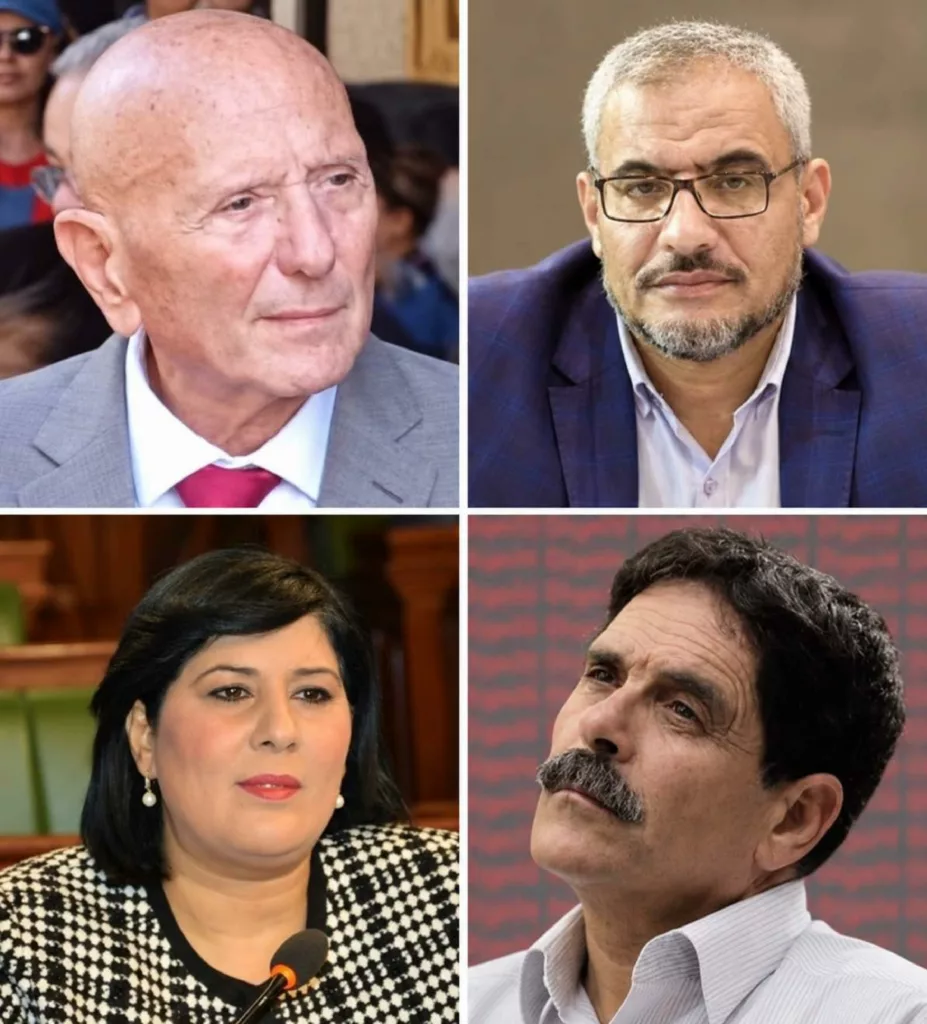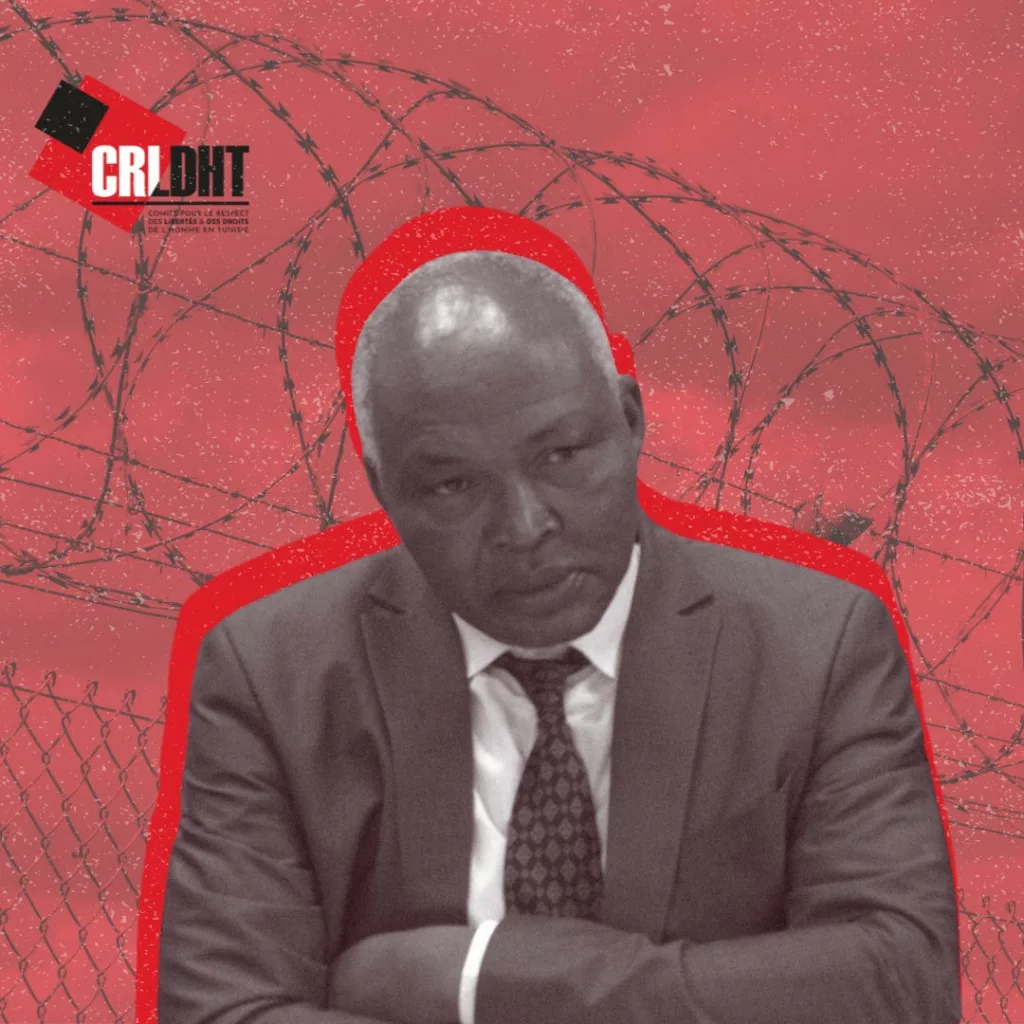
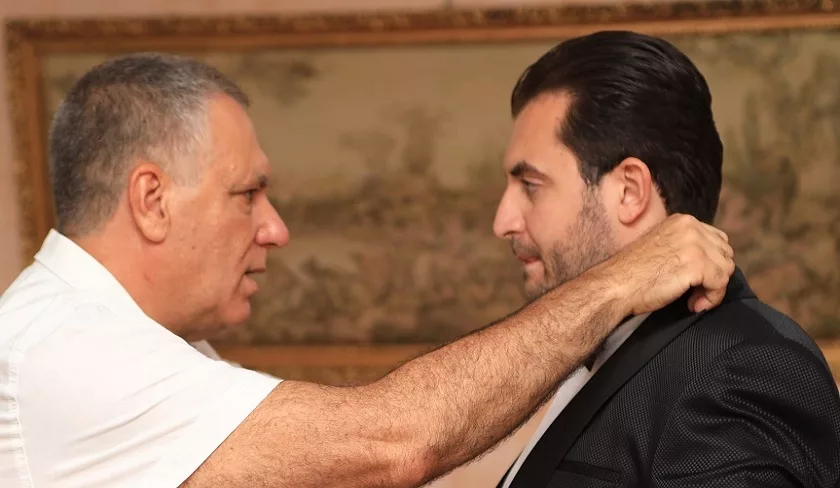
The Committee for the Respect of Freedoms and Human Rights in Tunisia (CRLDHT) expresses its deep concern and condemns in the strongest possible terms the new sentence handed down on July 3, 2026, against political activist Elyes Chaouachi.
This new 15-year prison sentence brings the total length of his sentences to 95 years and 8 months.
This figure alone speaks volumes about the current state of the Tunisian justice system. Elyes Chaouachi has committed no act of violence, no violent crime, and no terrorist act. He is being prosecuted for his views, his writings, his political activism, and his defense of political prisoners—foremost among them his father, Ghazi Chaouachi.
Since his arrest in February 2023 in connection with the so-called “conspiracy against state security” case, Elyes Chaouachi has consistently brought to the public’s attention human rights violations, political trials, attacks on the independence of the judiciary, and the conditions of detention for political prisoners.
His commitment has taken the form of social media posts, public statements, and the release of documents questioning the functioning of the justice system and interference by the executive branch.
In a state governed by the rule of law, such activities fall under the freedom of expression. They cannot justify criminal prosecution, much less charges of terrorism.
The repeated use of anti-terrorism legislation against a peaceful activist constitutes a particularly serious abuse of power. Equating criticism of the government, exposing acts of corruption, or defending political prisoners with acts of terrorism diverts this legislation from its intended purpose and seriously undermines the rule of law.
The Elyes Chaouachi case also reveals a very troubling trend. Repression no longer targets only political opponents; it now targets their loved ones as well.
Being the son, daughter, brother, or sister—or any other family member—of a political prisoner becomes, in turn, a reason for being subjected to prosecution and imprisonment.
This strategy aims to isolate political prisoners, silence their families, and prevent any mobilization on their behalf.
Unfortunately, Elyes Chaouachi’s case is not an isolated one. Ramla Dahmani was convicted after publicly defending her sister, the lawyer and columnist Sonia Dahmani. Attorney Dalila Msaddek, sister of Jawhar Ben Mbarek—who is being prosecuted in the “conspiracy” case—is also facing prosecution because of her public activism and her condemnation of political trials.
These cases reflect the same strategy: to put pressure on families in order to undermine solidarity with political prisoners.
The convictions handed down against Elyes Chaouachi illustrate this desire to silence those who speak out against abuses of power.
The CRLDHT points out that freedom of expression specifically protects criticism directed at public authorities, the functioning of the justice system, and matters of public interest. Such criticism, even when harsh, cannot be equated with acts of terrorism.
The CRLDHT condemns in the strongest possible terms the exploitation of the justice system and anti-terrorism legislation for the purposes of political repression. These practices are contrary to Tunisia’s international commitments, notably the International Covenant on Civil and Political Rights, the African Charter on Human and Peoples’ Rights, and the United Nations Basic Principles on the Independence of the Judiciary.
The CRLDHT expresses its full solidarity with Elyes Chaouachi, Ghazi Chaouachi, Mohamed Sameti, Ramla Dahmani, Attorney Dalila Msaddek, as well as with all political prisoners, human rights defenders, and their family members.
The CRLDHT calls on the United Nations,the European Union, the African Commission on Human and Peoples’ Rights, and all international human rights protection mechanisms to respond to this particularly alarming development. In Tunisia, repression is no longer limited to political opponents. It now extends to their loved ones in order to isolate them, silence them, and discourage any solidarity.
When a son is convicted for defending his father, when a sister is prosecuted for supporting her brother or sister, it is no longer just freedom that is threatened. It is the very right to defend victims of injustice that is being called into question.