On October 21, 2026, the Gabès Court of First Instance convicted environmental activists who had been prosecuted following a sit-in organized in 2020 outside the Tunisian Chemical Group (GCT) complex. They were demanding the dismantling of polluting facilities and defending residents’ rights to health, a clean environment, employment, and more equitable development. The GCT had filed a complaint alleging “obstruction of the freedom to work.”
Among those convicted is Khair Eddine Debbia, an environmental activist and member of the Stop Pollution campaign. The detailed account of the case indicates that Debbia and eleven other young people—a total of twelve individuals—were sentenced to six months of probation. Other reports provide a different account; therefore, based on the available information, it cannot be confirmed that all thirteen activists received this sentence.
A case filed following a sit-in in 2020
On March 8, 2023, a ruling handed down in the absence of the individuals involved imposed prison sentences. The case report indicates a one-year sentence for the activists on trial and an eight-month sentence for those who provided the tent for the sit-in.
The activists then filed a motion to dismiss. A hearing was held on March 18, 2026; the motion was accepted on procedural grounds, and consideration of the case was postponed several times. Following a hearing on October 14, the court extended its deliberations until October 21, the date of the ruling.
A suspended sentence avoids immediate incarceration but still constitutes a criminal conviction. It can keep pressure on those convicted and hinder their participation in future protests. One question remains: Can a peaceful protest against nuisances that threaten health and the environment be equated with obstruction of business?
In Agareb, "Maniš Masab" Activists Face Prosecution
In Agareb, in the Sfax Governorate, the environmental movement “Maniš Masab” (“I Am Not a Landfill”) has mobilized against the El Gonna landfill and its impact on health and the living environment. Following the announcement of the site’s reopening in November 2021, protests were followed by clashes. Abderrazak Lachhab died during these events; the circumstances of his death have been disputed.
On June 8, 2023, the Sfax 2 Court of First Instance sentenced activists and residents—who were prosecuted in five cases related to the 2020 and 2021 protests—to prison terms ranging from eight months to two years. The case involves 38 individuals and includes charges of obstruction of work and property damage, among others. The Sfax Court of Appeals held a hearing on October 27, 2026; available information indicates that the proceedings are ongoing and does not mention a final verdict.
A Historic Turnout in Gabès
The Gabès trial is part of a broader protest movement. On October 21, 2025, a regional general strike called by the Gabès Regional Labor Union brought much of the city to a standstill. It was accompanied by a march demanding the closure of the chemical complex and an end to pollution. The UGTT estimated that more than 100,000 people participated; other accounts mentioned thousands of protesters but did not cite such a high figure.
This mobilization had been preceded by local protests and reports of people feeling unwell and experiencing shortness of breath, particularly among students. A few days after the strike, several hundred people also demonstrated in Tunis in solidarity with the residents of Gabès. The October 21, 2026, ruling, handed down one year after the general strike, came on a date that held particular symbolic significance for residents and activists.
An environmental crisis that still lacks a verifiable solution
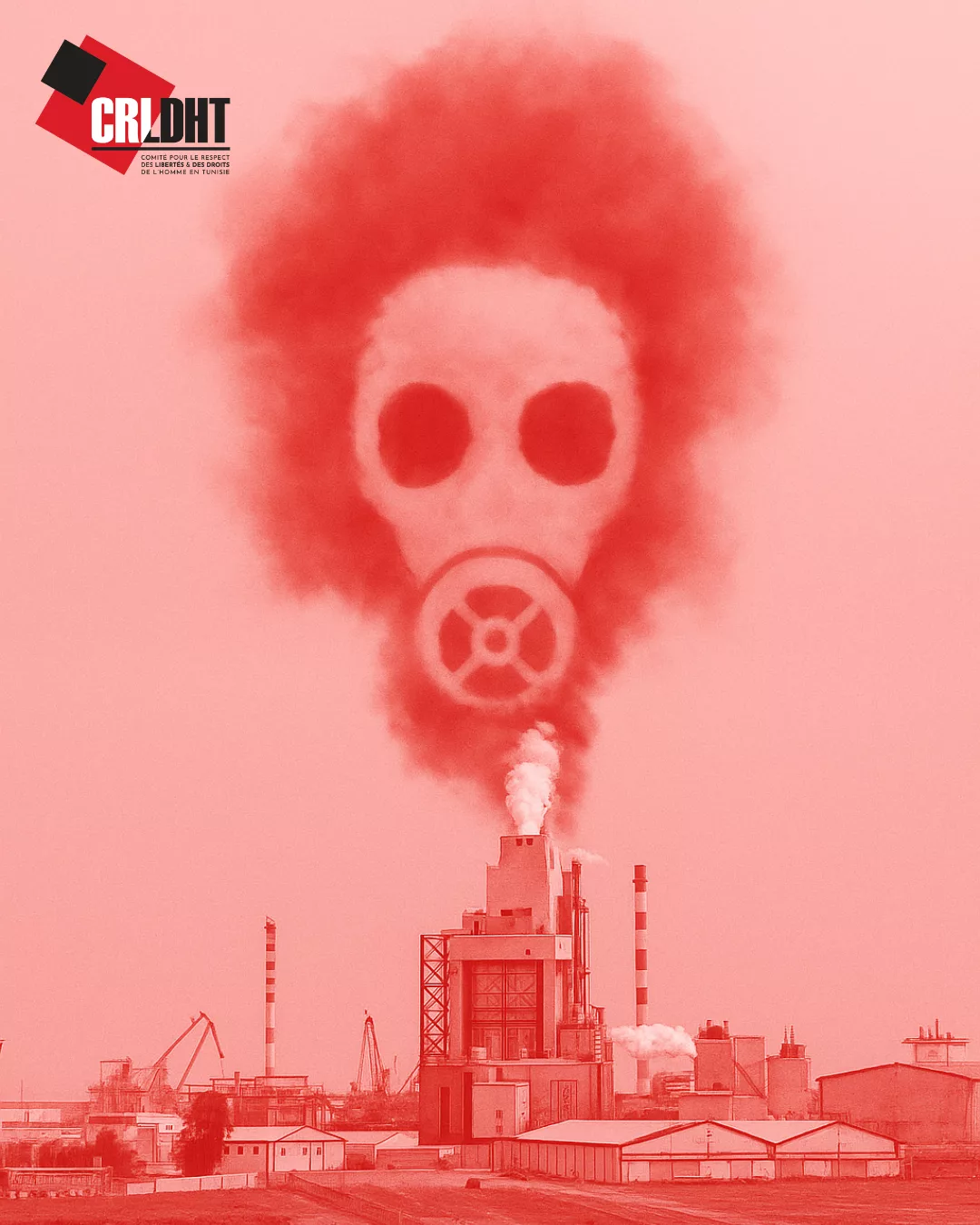
For years, residents have been speaking out against industrial emissions and discharges linked to phosphate processing and the production of fertilizers and chemicals. Concerns also center on industrial waste, including bentogypse, and its potential effects on the air, soil, water, and human health. Recent scientific studies point to risks associated with certain residues and their open-air storage. In particular, they call for better containment of these materials and enhanced health monitoring. However, these studies alone are not sufficient to establish an individual link between exposure and each observed disease.
In August 2026, President Kaïs Saïed visited Gabès and called for urgent solutions. He had announced that only units that had been repaired and brought up to standard should be in operation. In October, new industrial leaks and the return to service of dilapidated facilities were reported. The available information does not allow for a precise determination of which units were shut down, repaired, or brought back online.
The cases in Gabès and Agareb raise a common question: How can we respond to the demands of communities defending their health and their environment? Prosecutions and convictions risk shifting the focus of the debate from pollution and its consequences to the punishment of those who speak out against it. The priority must be to examine the facts transparently, protect the population, and provide concrete responses to the residents’ demands.
The CRLDHT calls for the convictions handed down against the activists to be reviewed and for an end to the criminalization of peaceful protests in defense of the environment. It expresses its solidarity with Khair Eddine Debbia and the other activists facing prosecution. Demanding the right to health and a healthy environment should not constitute a crime.
The Committee calls on the authorities to protect residents from polluting emissions and discharges, to suspend operations at facilities that pose a danger until they are brought up to standard, and to make the measures taken public. It also calls for the initiation of a transparent dialogue with the residents, civil society organizations, workers, fishermen, and farmers affected. The response to the crisis in Gabès must address its root causes and guarantee the rights of the population, not punish those who defend them.