In September and October 2026, the CRLDHT continued its efforts to defend civil liberties, support detainees and those facing prosecution, and denounce human rights violations. The Committee also participated in demonstrations in solidarity with the Palestinian people, against the genocide in Gaza, and for social justice. Both in Paris and in connection with Tunisia, it combined public statements, meetings, and on-the-ground actions.
September: Defending Rights and Supporting Protests
Earlier this month, the CRLDHT published an analysis of the case known as “Conspiracy No. 1,” on the eve of the hearing of the appeals to the Court of Cassation. In it, the CRLDHT highlighted the irregularities pointed out by the attorneys and the issues at stake in this case.
On September 2, the Committee expressed its support for the Tunisian Judges Association and for Judge Mohamed Ben Meftah, who had been suspended from his duties. It condemned the pressure being exerted on judges and called for their independence to be guaranteed.
On September 6, several CRLDHT publications focused on the economic and social crisis and the deterioration of public services. In particular, they addressed the difficulties in accessing water, electricity, health care, medication, and employment. For the Committee, the defense of civil liberties goes hand in hand with the defense of social rights and dignified living conditions.
On September 11, 12, and 13, the CRLDHT was present at the Fête de l’Humanité with a group of activists at the BDS-FTCR-CDP booth. Together with the FTCR, it organized a debate on the criminalization of solidarity with Palestine and on the release of Wael Naouar and his comrades from the Global Sumud Flotilla: Ghassen Henchiri, Ghassen Boughdiri, and Nabil Channoufi. The debate, moderated by Hatem Nafti, a member of the CRLDHT board of directors, brought together Bassem Trifi, president of the Tunisian Human Rights League; Khadija Ryadhi, president of the Maghreb Coordination of Human Rights Organizations; and Aziz Rhali, a member of the Maghreb Soumoud Coalition. A large panel featuring portraits of the activists was displayed at the booth.
The Committee also distributed three flyers there: one on the state of civil liberties in Tunisia, another calling for the release of Mourad Zeghidi, and a third calling for the release of Chawki Tabib. Activists marched through the aisles carrying portraits of political prisoners and a banner bearing the image of Mourad Zeghidi.
The CRLDHT also took part, at the invitation of the International Federation of Journalists, in the inauguration of the alternative media space, where portraits of journalists Mourad Zeghidi, Zied El Heni, Borhen Bsaies, and Mohamed Youssefi were on display. At the Agora in the Village du Monde, he took part in a debate and a meeting with Ines and Yesmine, the daughters of Mourad Zeghidi. A flyer dedicated to him was distributed, and portraits of the four journalists were displayed.
On Saturday, September 12, ASDHOM organized a tribute to Karim Messaoudi. Rabii and Mouhieddine represented the CRLDHT at the event. Mouhieddine spoke on behalf of the Committee and the FTCR, also addressing issues related to immigration.
The festival also provided an opportunity to present *La Génération Z*, a book by Hakim, a member of the CRLDHT’s board of directors. A book-signing was held, as well as a presentation at the L’APRÈS movement’s booth, followed by a discussion on the state of civil liberties in Tunisia, from the Revolution to the present day.
Solidarity with activists supporting Palestine continued in Tunis. Following the peaceful march on September 19 calling for the release of activists from the Soumoud flotilla, several participants were arrested. In a statement released on September 22, the CRLDHT condemned these arrests and called for their release. It also raised concerns about the situation of Karim Terâa, an activist with the Union of Unemployed Graduates.
At the end of the month, the Committee condemned the increase in Abdallah Saïd’s sentence on appeal to two years in prison. It called for his release and urged Tunisia’s international partners to intervene on his behalf.
October: Protests and Support for Prisoners
On October 3, the CRLDHT organized a rally in Paris in support of Ahmed Néjib Chebbi, who was on a hunger strike at the time. On October 5 and 12, the Committee participated in demonstrations at Place Vendôme in support of the comprehensive law and signed the statements of support. On October 8, it published a petition calling for the release of Ahmed Néjib Chebbi and all prisoners of conscience.
On October 10, the CRLDHT took part in the Paris rally against the genocide in Gaza and in solidarity with the Palestinian people, in defense of international law and the rights of the Palestinian people.
On October 14, the Committee participated in a solidarity event for the LGBTI+ community in Turkey, organized by ACORT. On October 16, it held a public meeting at the Maltais Rouge in support of the national march in Tunis, focusing on freedom, dignity, and social justice.
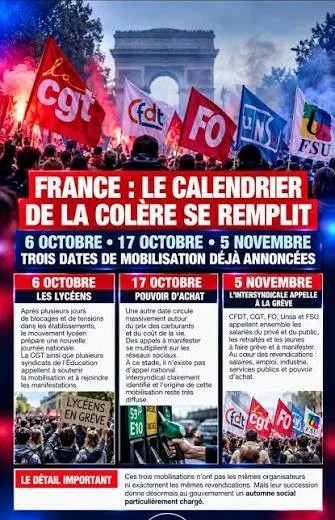
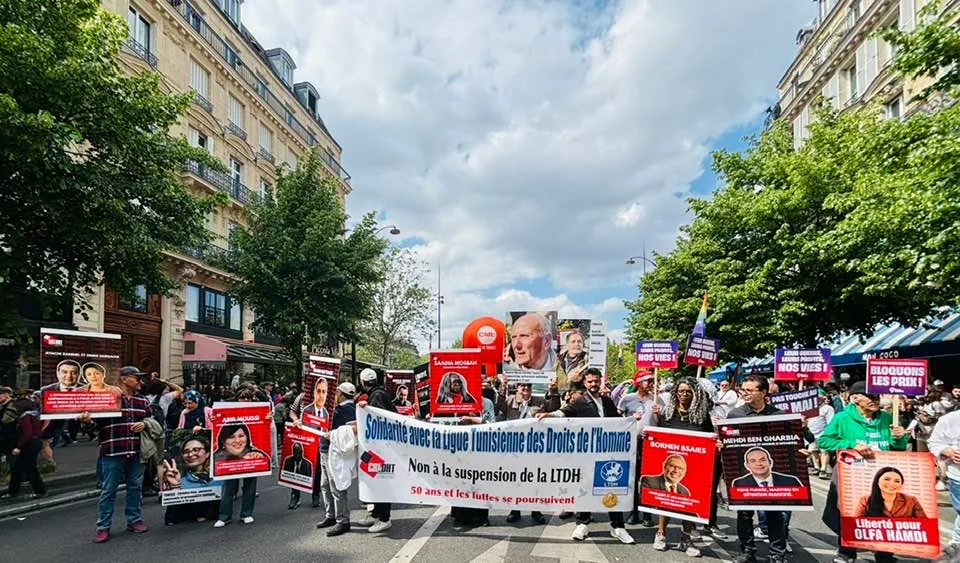
The CRLDHT then took part in the Paris protests on October 17, 24, and 31. The Committee’s Youth Club was present and expressed its support for the youth protests in France. On October 26, the Committee joined the rally against racism held at Place Stalingrad following the racist attack in Trappes.
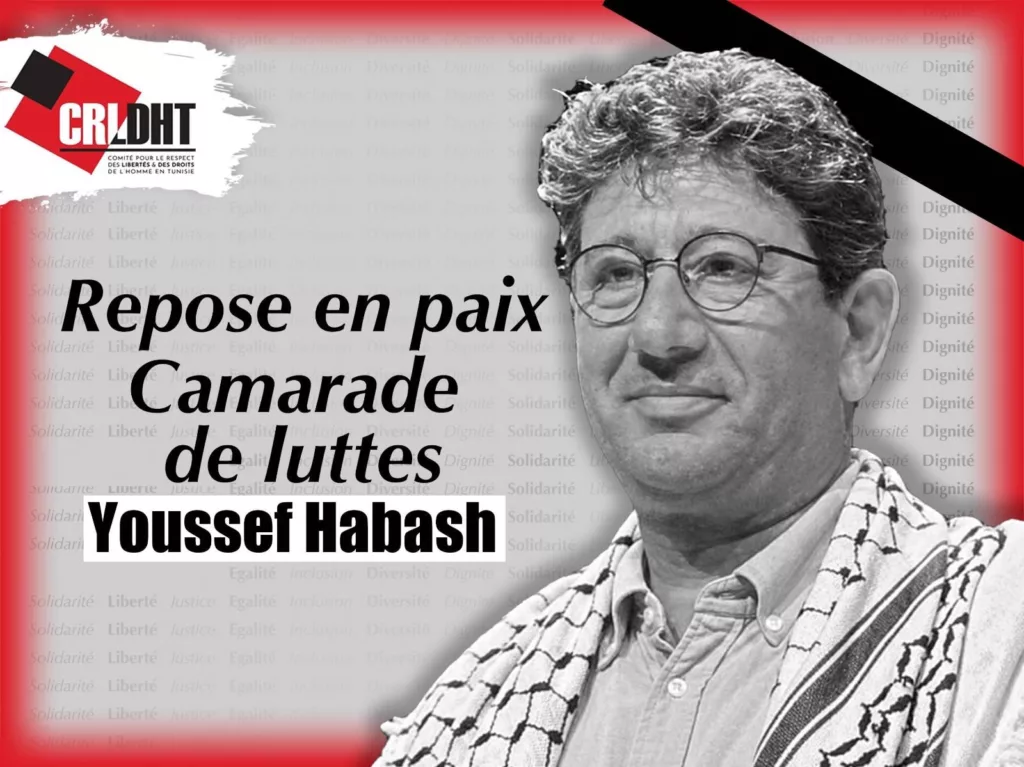
On October 24, the CRLDHT traveled to Brussels to offer its condolences to the family of Youssef Habache and to participate in the tribute held in his honor at the Université libre de Bruxelles. In October, the Committee also published a tribute to its comrade Lakhdhar Ellala, titled “It’s Only Goodbye, Comrade.”
The harsh sentences handed down in Tunisia prompted two statements. On October 28, the CRLDHT condemned the sentences handed down in the so-called “audio recordings” case, particularly those against Zied El Heni, Mondher Ounissi, and several other defendants. It condemned the use of anti-terrorism legislation against a journalist for his fact-checking work and called for the release of those detained, as well as respect for the right to a fair trial.
On October 30, the Committee condemned the 20-year prison sentence handed down to Riadh Ben Fadhel in the so-called “confiscated assets” case. It called for his release and the overturning of the verdict, which it views as yet another example of the manipulation of the justice system against the opposition.
On the same day, to mark the International Day in Support of Political Prisoners, the CRLDHT launched the daily digital campaign “سيبهمن.” It calls for the release of those detained or prosecuted for their opinions and peaceful political activism. Starting November 25, the campaign will highlight women who are imprisoned or prosecuted for their opposition to the regime. It will continue through December 10, International Human Rights Day.
Taking Action for Environmental Rights and the Protection of People as Well
In October, the CRLDHT, the FTDES, and Nomade08 initiated legal action based on the duty of care against the French group Roullier, which controls the company PHOSPHEA in Tunisia. This subsidiary is implicated in environmental pollution in Gabès. A formal notice was served on the group in October; legal action is expected to follow.
This approach paves the way for an innovative form of strategic litigation. According to the Committee and its partners, such a lawsuit could help protect the rights of people affected by corporate activities, secure redress for victims, and leverage the jurisdiction of French courts in cases with international implications. They view it as a tool with the potential to have an impact beyond Tunisia—in the Maghreb, Africa, and elsewhere.
Over the course of these two months, the CRLDHT also provided advice and support to Tunisian asylum seekers.
In September and October, the Committee combined research, press releases, petitions, digital campaigns, public meetings, and grassroots solidarity. From defending civil liberties in Tunisia to showing solidarity with Palestine, and from social rights to protecting people affected by pollution, its actions were all driven by the same demand for dignity and justice.