The Committee on the Elimination of Racial Discrimination, established by the International Convention on the Elimination of All Forms of Racial Discrimination, conducted a periodic review last November of the report submitted by the Tunisian authorities pursuant to the Convention. (/C/TUN/CO/20-22—Concluding Observations on the report of Tunisia covering the twentieth to twenty-second periodic reports, adopted by the Committee at its116th session (November 17–December 5, 2025)).
This discussion took the form of a debate during which issues such as the situation of migrants, Black Tunisians, and Amazighs were addressed. A summary of the debate has been published.
An expert from the Committee set the stage by outlining the situation, while taking care to acknowledge the achievements of the democratic transition since 2011, particularly in the legal sphere, notably the law against racial discrimination adopted in 2018.
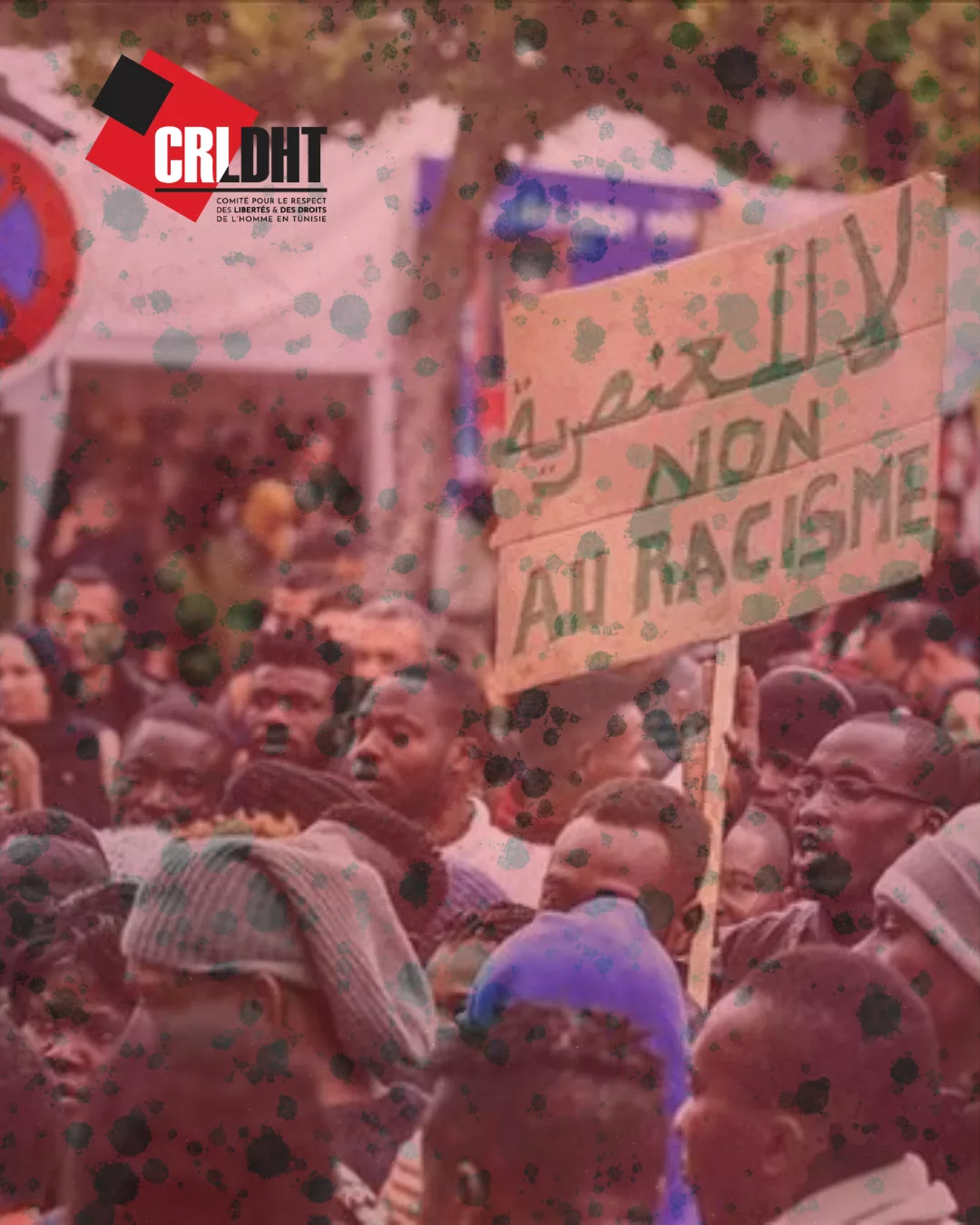
However, as numerous recent analyses and publications have pointed out—particularly on the occasion of the International Day for the Elimination of Racial Discrimination, established in memory of the Sharpeville massacre—these legal gains remain largely symbolic in the face of a reality marked by the persistence, and even the escalation, of discriminatory practices and racial violence.
Beyond the legal framework, the expert raised several issues that could affect the Tunisian government’s compliance with the convention’s standards, including:
The socioeconomic disadvantages that Black Tunisians continue to face—a vulnerability that is particularly evident in their representation in political life—were the subject of questions raised by the expert. The Committee also expressed concern over reports of what has been described as latent racism, said to stem from the historical legacy of slavery but exacerbated by inflammatory statements from certain political figures (a rather diplomatic reference to President Kaïs Saïed’s sinister speech on February 21, 2023). This analysis aligns with documented findings of structural racism fueled by historical constructs and reignited by contemporary political discourse.
The absence of representatives of the Amazigh community in the Assembly of the Representatives of the People, while noting that this was also the case for the Constituent Assembly in 2014, and raising the issue in light of the 2007 United Nations Declaration on the Rights of Indigenous Peoples.
Mass deportations of migrants, a phenomenon that has accelerated significantly since 2023, in violation of the principle of non-refoulement. Several investigations have even reported instances of migrants being abandoned in desert areas—practices described as inhumane treatment and potentially constituting serious crimes under international law.
Another expert specifically cited the president’s speech on February 21, 2023, which is said to have paved the way for an unprecedented and well-documented surge in racist violence, including physical attacks in the streets, evictions, police raids, and massive online hate campaigns. This shift is now widely recognized as a turning point in the institutional and social legitimization of racism.
Restrictions and the systematic persecution of civil society organizations that assist migrants, in a context where humanitarian action is increasingly criminalized and equated with criminal offenses, particularly under the guise of charges such as money laundering or aiding irregular immigration.
In response, the Secretary of State to the Minister of Foreign Affairs, Migration, and Tunisians Abroad highlighted Tunisia’s legal framework guaranteeing non-discrimination, notably Organic Law No. 50-2018 of October 23, 2018, on the elimination of all forms of racial discrimination, although the commission it provides for has never been established.
The Tunisian official affirmed that the government’s actions are in compliance with the convention, despite unprecedented flows of irregular migrants that have overwhelmed the Tunisian state’s capacity, while emphasizing that they are victims of an unjust global system and criminal networks.
The Tunisian delegation categorically denied any violation of the convention and stated: “Tunisia, proud to be an African nation, is home to Black citizens of diverse origins, who enjoy the same rights and responsibilities as other citizens.” According to the delegation, everything is carried out in strict compliance with the law, the Constitution, and the relevant ratified international instruments.
However, this official position stands in stark contrast to the findings reported by numerous civil society organizations and highlighted in recent public statements. These organizations emphasize that racial discrimination is no longer merely a diffuse social phenomenon, but that it is becoming embedded in institutional practices themselves—including judicial ones—through repressive decisions targeting activists engaged in the fight against racism.
This summary of the debates published by the Committee is a classic example of the dialogue of the deaf that the UN system has established in response to well-founded and documented grievances and observations made by experts who provide an insightful assessment of the situation in the country whose report is under review. What is offered in response is empty rhetoric and political propaganda from delegations and officials whose room for maneuver or freedom is equal to or less than zero. The message is clear: there is nothing to see here. These delegations do not even attempt to qualify or explain certain violations by citing exceptional circumstances, which would, however, be more respectful of the UN organization and its institutions.
This type of review, in which UN experts can only bring attention to issues of compliance with human rights instruments, highlights the limitations of these procedures, which are so ineffective that one might question their value. But the issue is broader, not only because of the conventional nature of public international law and the lack of coercive means to ensure compliance, but also and above all because of an international climate that seems to be undermining the international legal system, particularly that of the UN. The ideal of UN multilateralism in the service of human rights, peace, and development is more marginalized than ever.
Returning to Tunisia and the issue of what has now become systematic discrimination, there is no indication that we have reached the peak of this trend. On the contrary, recent developments point to a worrying entrenchment of this dynamic. Moreover, all civil society activists have been convicted of criminal offenses, although most have been released on bail. Saadia Mosbah, president of the Mnemty association, which directly addresses the issue of discrimination against Black Tunisians and migrants, was sentenced to eight years in prison and a fine of over one hundred thousand dinars in the first instance.
This conviction is part of a broader trend characterized by the criminalization of civil society work and humanitarian aid, as well as by campaigns of stigmatization and disinformation targeting those who fight against racism, who are falsely accused of embezzlement or of threatening public order.
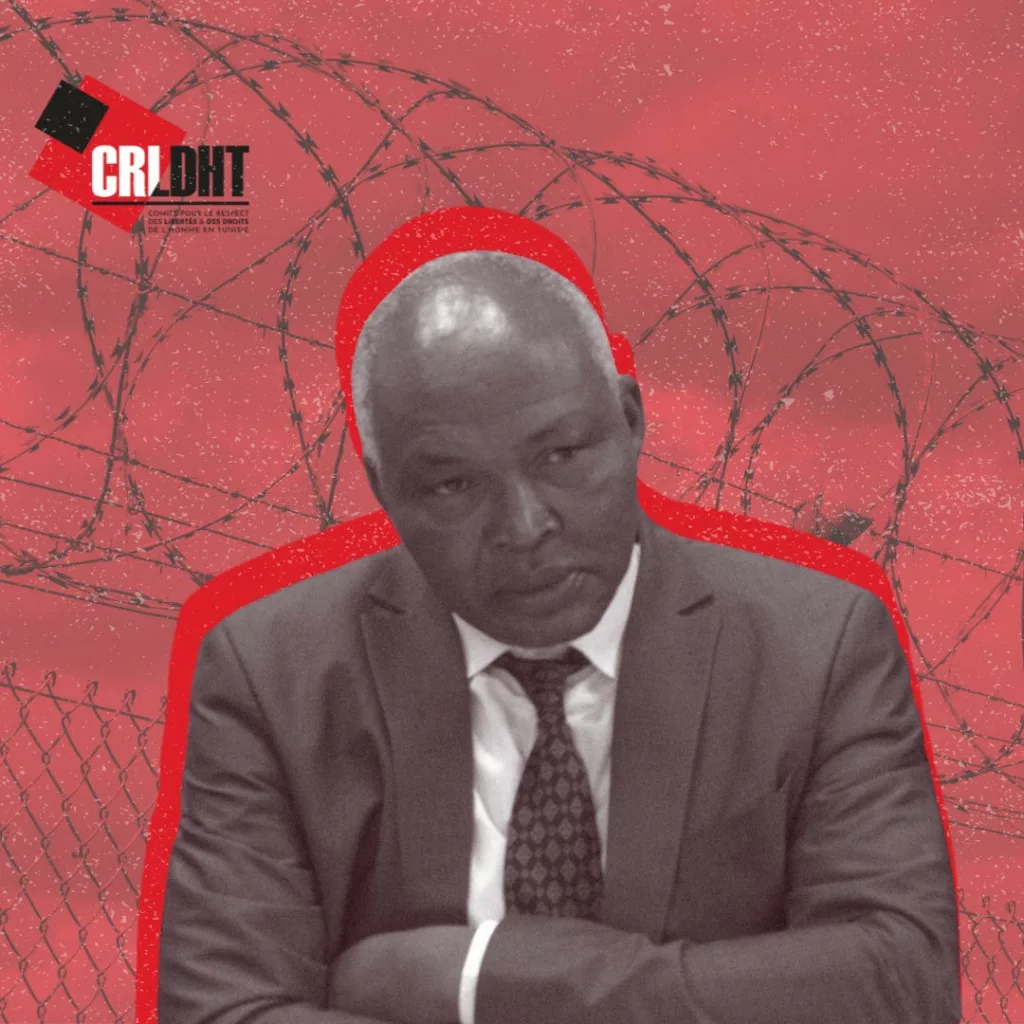
Moreover, the fact that she and Abdallah Saïd are the only activists still in prison raises questions about the connection to their skin color, especially since it is no longer necessary to demonstrate that the Tunisian judiciary is subservient to the executive branch, which continues to guarantee impunity for racist and xenophobic acts committed by its agents, acts that could be classified as crimes against humanity, with the silent complicity of the European Union, which commissions and sponsors these abuses.