Heat waves, overcrowding, water and power outages, suspicious deaths: The government must ensure the safety of the people in its custody
The Committee for the Respect of Freedoms and Human Rights in Tunisia (CRLDHT) is once again sounding the alarm about the extremely serious situation in Tunisian prisons.
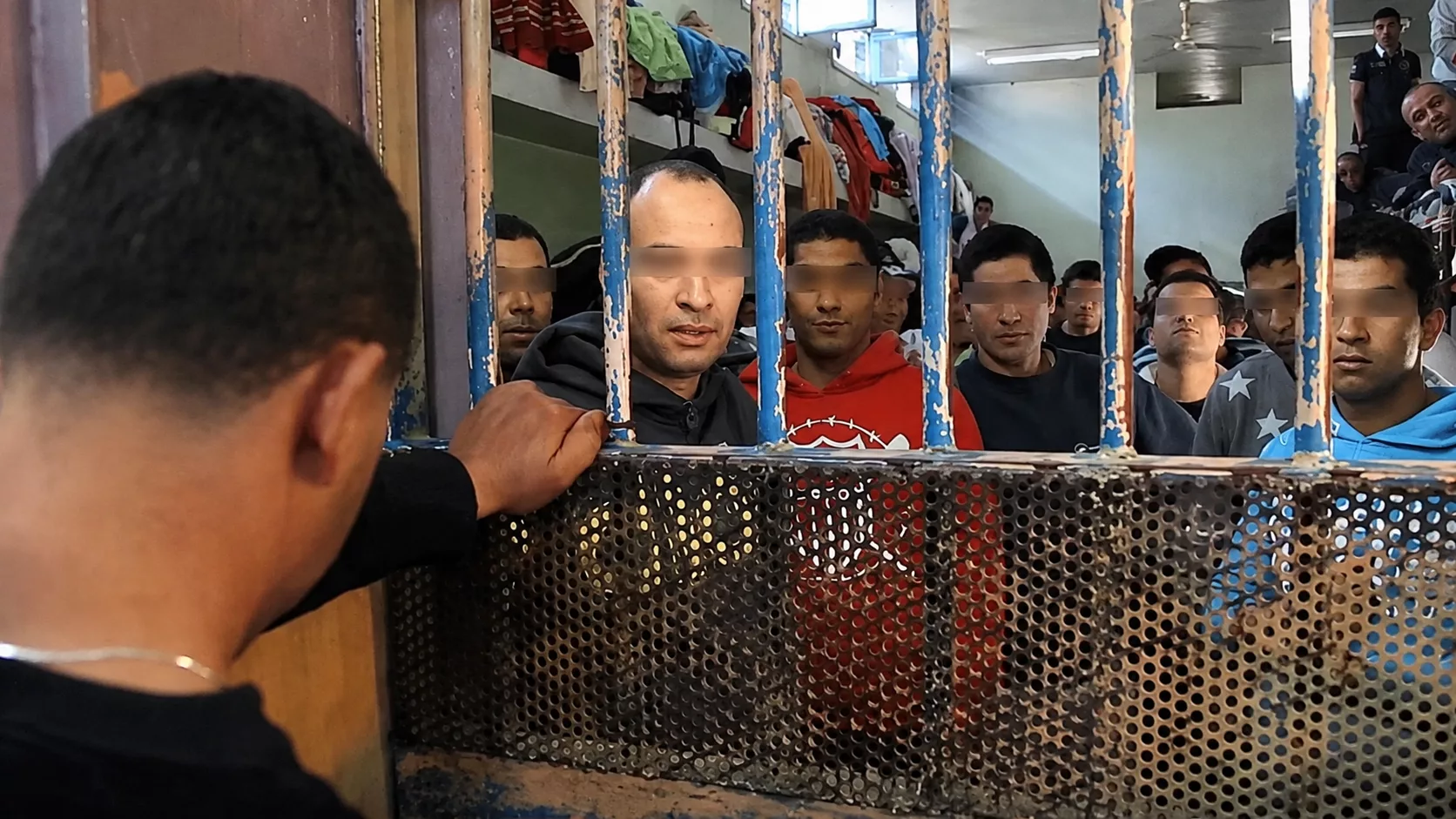
For several months now, there has been a rise in the number of deaths of detainees under suspicious or insufficiently clarified circumstances. Compounding this long-standing crisis, the summer of 2026 saw a series of exceptional heat waves, accompanied in several regions by water and power outages, at a time when the prison system was already grappling with massive overcrowding, deteriorating infrastructure, and persistent difficulties in accessing healthcare.
In its alert dated July 24, 2026, the CRLDHT had warned that the combination of the heat wave, water shortages, power outages, lack of ventilation, and overcrowding posed a direct threat to the lives and physical well-being of detainees. https://crldht.com/alerte-urgente-du-crldht/. Families have since reported cases of people feeling faint, passing out, delays in accessing medical care, and cells that have turned into veritable saunas.
The heat wave did not cause the prison crisis. It revealed just how dangerous it is.
According to data published by the Intersection association, Tunisian prisons currently house more than 33,000 inmates, despite an official capacity of approximately 17,000 beds—a occupancy rate of nearly 194 percent. The prison population is reported to have risen from 23,000 in 2022 to more than 33,000 in 2025. In some facilities, the situation is even more critical: 251% occupancy in Kairouan, 210% in Mornaguia, 209% in Gabès, and 200% in Sfax.
In eight prisons, the available space is reportedly no more than two square meters per inmate, while restroom facilities, showers, and access to hygiene products and medical care are severely inadequate.
Under such conditions, when temperatures approach or exceed 45 to 50 °C, the heat becomes a life-threatening risk.
Deaths That Demand Answers
The death of Hamza Dridi, 33, who was being held at Borj El Amri, is particularly alarming. According to his mother’s account, as reported by Nawaat, he had told her during her last visit that the water had been cut off for four consecutive days, preventing him—and the other detainees—from washing or cooling off despite the extreme heat. Shortly after this conversation, he was reportedly placed in a disciplinary cell. Five days later, on July 22, he died. He had not yet been tried, and according to his family, he had no known medical conditions. The autopsy report had not yet been made public.
At the Gabès civil prison, two inmates also died: Ali Bejaoui and Ali Ben El Tijani Ben Mohamed El Mansi. The LTDH described these deaths as “suspicious.” The family of the latter claims to have noticed bruises and a fracture in the neck area after the body was returned.
Most importantly, the Gabès chapter of the LTDH says it has gathered consistent testimonies reporting recurring water and electricity outages, extreme overcrowding, and incidents of suffocation among detainees.
In Messadine, Salem Karmous, a Franco-Tunisian, died on July 19. His father claims to have noticed signs of violence and assault on his body. Here again, only an independent investigation can determine the causes of death and establish who is responsible.
These deaths are part of a larger series. The OMCT had already documented thirteen suspicious deaths between May 2025 and April 2026, not counting those that occurred during the heat wave.
In late August, an inmate also died at the Gafsa civil prison, while two inmates in Mahdia had to be transferred to the intensive care unit amid extreme heat and poor detention conditions.
On August 29, the Tunisian Organization of Young Doctors issued a new alert: it reported an unprecedented increase in heatstroke-related deaths and hospitalizations, as well as deaths of detainees in several emergency departments. It also points out that while the Ministry of Health is collecting data on deaths, heatstroke cases, and the capacity of intensive care units, no detailed official report has yet been made public.
Another serious report circulated on August 28 concerning five deaths in prisons in Greater Tunis. Bassem Trifi, president of the LTDH, stated—citing judicial sources familiar with the cases—that five deaths had been recorded the previous day, not counting those in other regions.
The exact scope of these deaths and their causes have yet to be determined. But it is precisely for this reason that the authorities’ silence is no longer acceptable.
The government cannot detain someone without guaranteeing their safety
A detainee is entirely dependent on the authorities for water, electricity, ventilation, food, medication, medical care, and transportation to a hospital. They cannot leave their cell because it is too hot, nor can they find a way to protect themselves on their own.
The state that deprives a person of liberty therefore has a special obligation to protect that person.
The sentence imposed by a court is deprivation of liberty. It does not include deprivation of water, unbearable heat, violence, medical neglect, or exposure to an avoidable life-threatening risk.
Prisoners retain their full right to life, physical integrity, water, medical care, dignity, and protection from cruel, inhuman, or degrading treatment.
Open Prisons to Independent Oversight
The prison administration claims to have generators, emergency water tanks, and systems to ensure an uninterrupted supply of water and electricity. It also claims that inmates receive medical care and are transferred to hospitals when their condition requires it. These claims must be verifiable.
However, just as deaths and reports of abuse are on the rise, the LTDH is facing obstacles in its efforts to visit prisons. In particular, a delegation was prevented from entering the Messadine prison on July 21, even though a memorandum of understanding signed in 2015 with the Ministry of Justice had specifically established a mechanism for independent visits.
If the authorities claim that conditions comply with the law, they must allow independent inspections of the prisons.
The CRLDHT requests
The CRLDHT calls for:
- The immediate publication of a comprehensive national report on deaths in custody since July 1, 2026, broken down by facility.
- An immediate investigation into the five deaths reported in late August in prisons in Greater Tunis, including the identification of the individuals involved and the exact circumstances.
- The launch of independent investigations into all suspicious deaths, including those of Hamza Dridi, Ali Bejaoui, Ali Ben El Tijani Ben Mohamed El Mansi, and Salem Karmous.
- Providing families with forensic findings and autopsy reports, as well as access to medical records.
- The Ministry of Health's release of data related to the heat wave: deaths, hospitalizations, intensive care admissions, and transfers of inmates.
- Emergency measures in all prisons: constant access to drinking water, electricity, ventilation, medical care, and special protection for the elderly, the sick, and vulnerable individuals.
- Independent and unannounced inspections of correctional facilities.
- The immediate removal of obstacles to LTDH visits and compliance with the 2015 memorandum.
- The determination of administrative, political, or criminal liability whenever misconduct, negligence, or violence that contributed to a death is established.
- Urgent measures to address prison overcrowding, including a review of pretrial detention and the development of alternatives to incarceration.
Families have a right to the truth.
Prisoners have the right to dignity.
And, above all else, they have the right to life.
Paris, August 30, 2026