We mustn't get used to it.
We must not grow accustomed to seeing a young activist arrested at home, interrogated, taken into police custody, and then sent to prison simply because he reposted on Facebook slogans chanted during a protest. We must not grow accustomed to critical speech being treated as a crime and to prison becoming a routine response to the expression of political dissent.
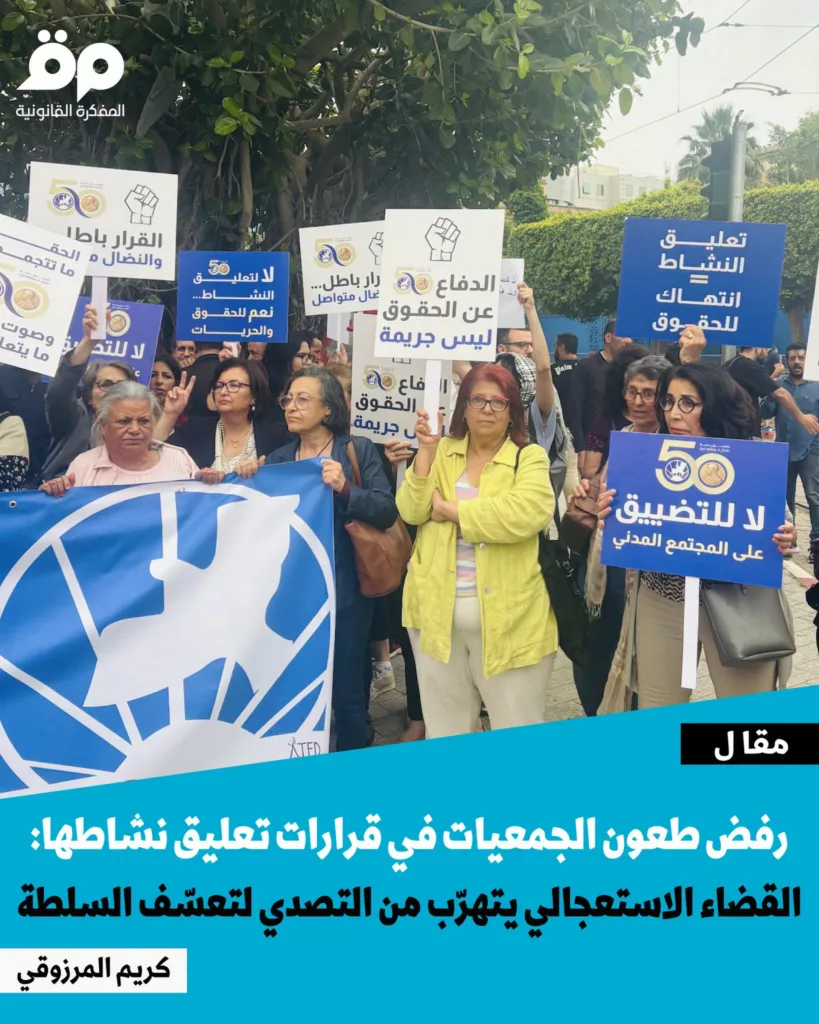
On August 20, 2026, Seifeddine Arfaoui, an activist with the Nafas movement, took part in a peaceful demonstration in downtown Tunis. The demonstration focused on daily hardships, water, electricity, healthcare, dignity, and social justice. The next day, August 21, following a social media campaign targeting him, he was arrested at his home and taken to the El Gorjani Anti-Crime Unit.
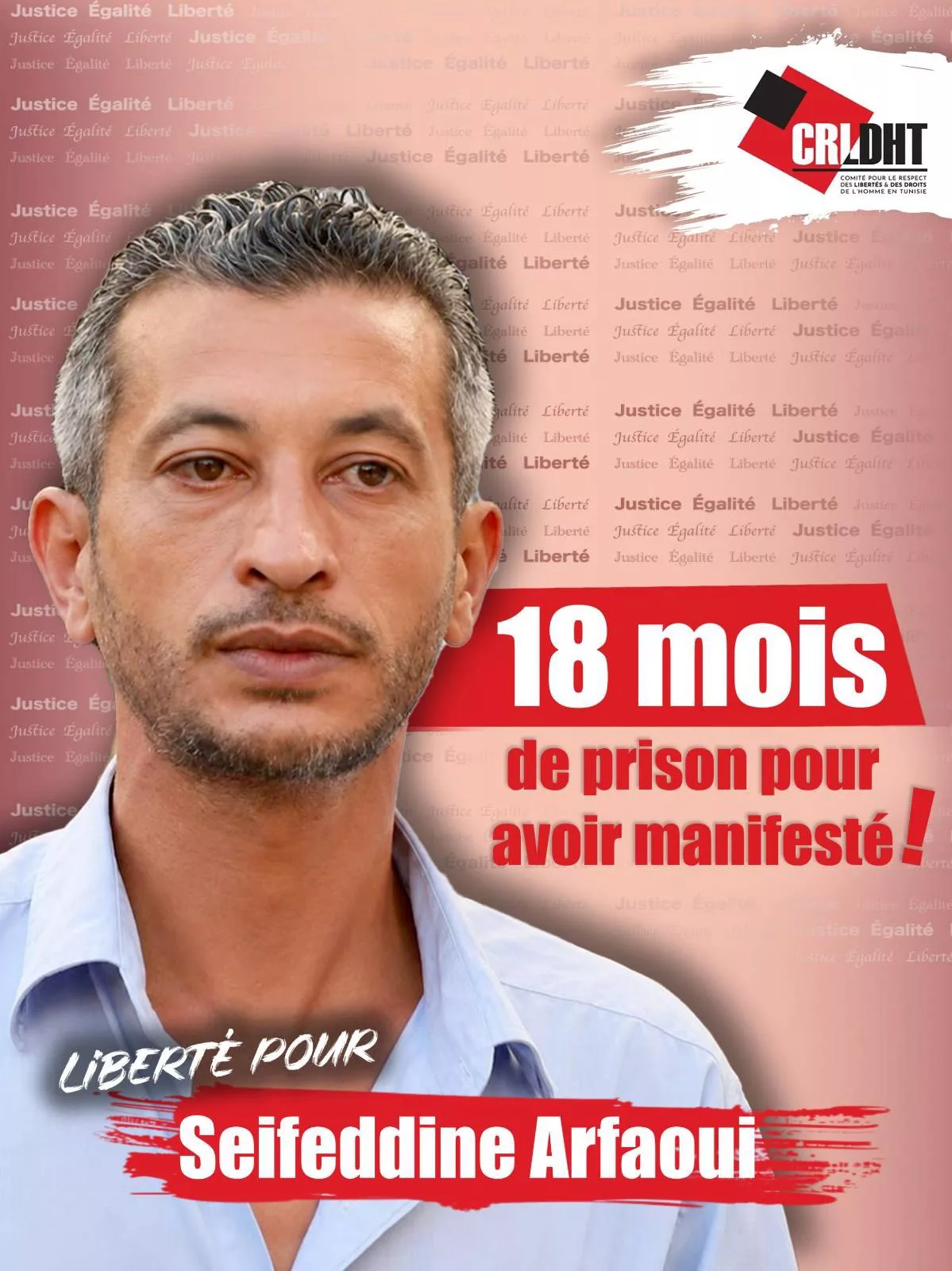
He was initially held in police custody for forty-eight hours, after which the detention was extended. On August 24, the prosecutor’s office issued a committal order and referred him, while in custody, to the summer criminal division of the Tunis Court of First Instance. He was charged under Article 86 of the Telecommunications Code for what was described as “harming others through public telecommunications networks.”
On August 27, the case was adjourned for deliberation, while Seifeddine Arfaoui remained in prison. On August 31, the summer criminal court sentenced him, in the first instance, to eighteen months in prison without parole for posts that repeated the protest slogans.
These are the facts. An activist has been deprived of his liberty for participating in a civic protest and sharing messages of protest. This conviction cannot be viewed in isolation from the broader climate of restrictions on public space, the prosecution of critical voices, and the growing use of the justice system as a tool of intimidation.
Every new arrest risks becoming just another case, quickly overshadowed by the next one. That is precisely what we must resist. Habituation is a victory for arbitrariness. When a society comes to regard it as normal for an activist to be sentenced to eighteen months in prison for slogans or a publication, it accepts that the right to criticize, protest, and organize has been stripped of its meaning.
Seifeddine Arfaoui must be released. The legal proceedings against him for exercising his right to free speech must cease. He must be allowed to reunite with his family, his loved ones, and resume his civic engagement.
We must also support the Nafas movement, which refuses to give in to fear and reaffirms the right of Tunisians—both women and men—to live in a Tunisia that is free, just, and respectful of their dignity. Supporting Nafas means defending the right of everyone to speak out, assemble, protest, and hold those in power accountable.
Let's keep talking about Seifeddine Arfaoui. Let's keep taking action. Let's not allow judicial repression to become routine.
Freedom for Seifeddine Arfaoui.
Support for the Nafas movement.
Freedom for all those prosecuted for their opinions and peaceful activism.