Since the launch of the new flotilla designed to bring humanitarian aid to the Gaza Strip, civil society mobilizations around the world have intensified. Faced with what many perceive as the abdication of states and tacit complicity with the blockade imposed on Gaza, non-governmental organizations, citizens' collectives and volunteer networks have taken the initiative to transform the desire to support the Palestinian people into concrete action.
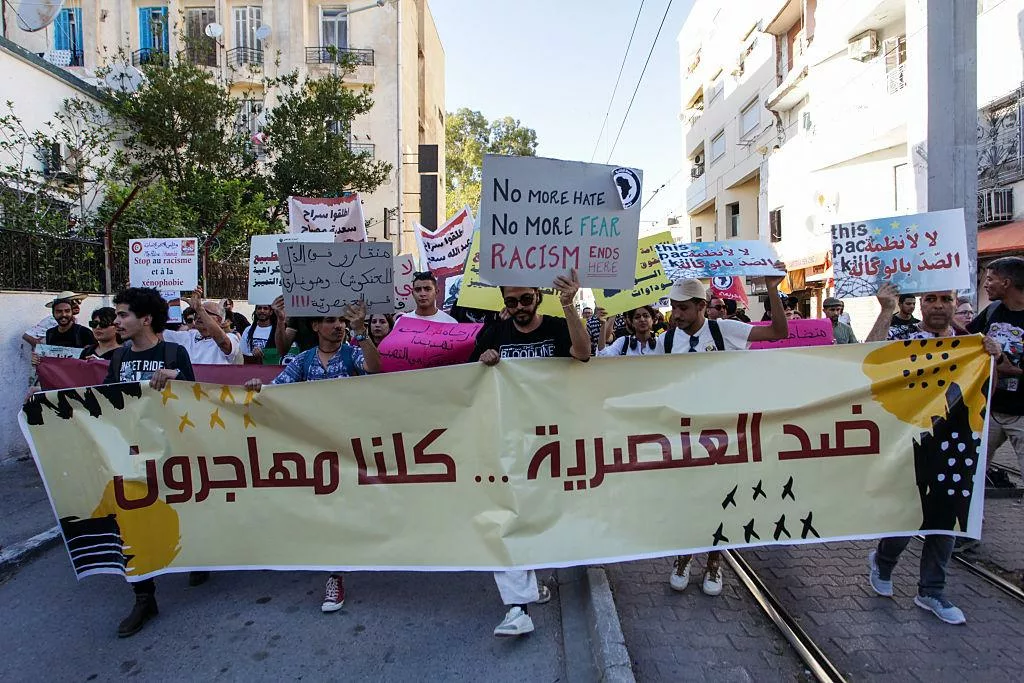
In France, humanitarian associations - including Médecins Sans Frontières, Action contre la Faim and Solidarité Gaza - organized fund-raising campaigns, medical equipment collections and awareness-raising days at universities and cultural venues. On the day of the flotilla's departure, tens of thousands of people gathered along the Marseilles quay, holding up placards calling for an end to the blockade and for European governments to assume their responsibilities. This movement was supported by members of parliament and senators who, although sometimes limited by diplomatic constraints, got involved to varying degrees.
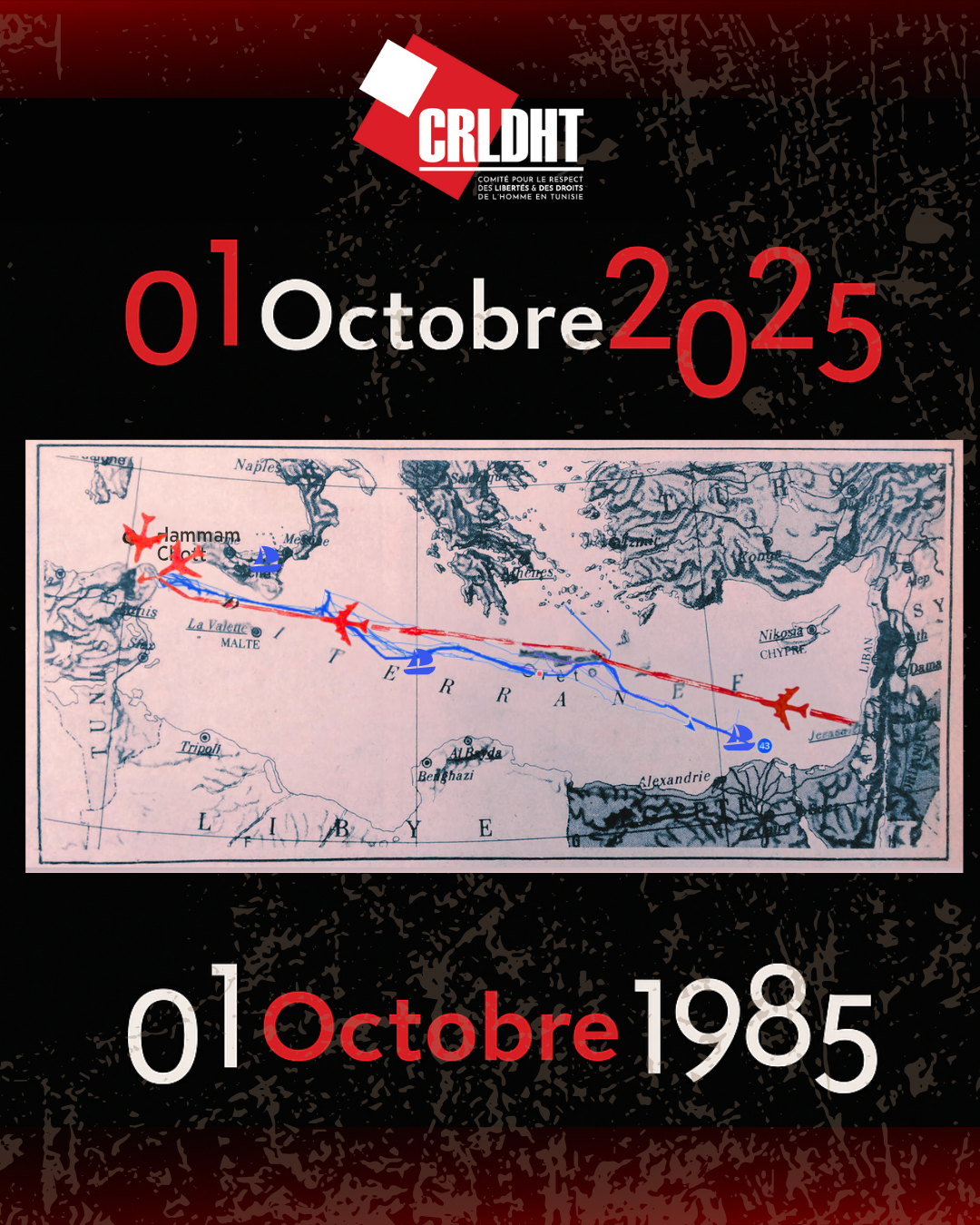
On the other side of the Mediterranean, Tunisia has seen the emergence of a similar network of citizen initiatives. Local associations and collectives have coordinated the collection of essential supplies - medicines, hygiene kits and non-perishable foodstuffs. On October 26, a civil society delegation accompanied the flotilla from the port of Bizerte, symbolizing the Tunisian people's determination to play an active role in the aid chain.
These mobilizations testify to a growing awareness that, when state institutions seem to hesitate or shirk their moral obligations, it is civil society that fills the void. In France as in Tunisia, citizens have demonstrated that solidarity does not depend solely on diplomatic decisions, but can be supported by concrete, coordinated and persistent action. The logistical success of the flotilla in winning people's hearts illustrates the ability of grassroots movements to transform compassion into tangible aid, even in a complex geopolitical context.
When members of the flotilla arrived - journalists, medical volunteers, aid workers and representatives of civil society - the welcome was both warm and serious. As soon as they disembarked, they were greeted by cheering crowds and slogans of support. However, several participants were quick to testify to the pressure exerted by the Israeli authorities as soon as they were intercepted at sea. According to their accounts, Israeli army forces carried out prolonged interrogations, intrusive body searches, confiscation of personal documents, and physical and psychological torture, citing "security" reasons. These acts of persecution, denounced by human rights organizations, reinforced the sense of injustice among participants and further galvanized citizen mobilization, which sees the protection of volunteers as an essential component of solidarity.
In conclusion, the return of the flotilla to Gaza is not just a one-off humanitarian act; it represents a powerful symbol of citizen resistance in the face of state inertia. In France and Tunisia, grassroots initiatives are a reminder that collective responsibility towards populations in distress rests above all on the willingness of individuals to act, to denounce complicity and to build bridges of hope and dignity by their own means.