The summer of 2026 marks a sharp deterioration in the social situation in Tunisia. Water and electricity outages, difficulties accessing medication, shortages of bottled water, fires, waste, heat waves, and labor disputes are no longer isolated crises. Their accumulation reflects a more general deterioration of essential services and a growing difficulty on the part of the government to meet people’s daily needs.
This trend is directly reflected in the protests. According to the FTDES’s Tunisian Social Observatory, 1,101 protests were recorded in July 2026—the highest number for the month of July in a decade. This figure represents a 27% increase from June and a 168% increase from May. Above all, the nature of the demands is changing: 373 protests concerned drinking water cuts and 305 concerned power outages. These two issues alone account for more than 60% of the recorded protests. Demands related to employment and working conditions remain significant but have now taken a back seat.
The composition of the protests is also changing. Residents are now the main actors, participating in 746 protests—nearly two-thirds of the total. This trend shows that the protests go beyond traditional union and professional frameworks and stem directly from the difficulties of daily life. Kairouan is among the most active governorates, with 67 protests, while Mahdia has 48.
Social media plays a decisive role in this dynamic. Approximately 670 protests were publicized or took place primarily online and in the media. In addition, the Observatory recorded 124 rallies, 95 sit-ins, about 100 roadblocks or angry demonstrations, as well as 41 strikes.
Water and electricity: the two main sources of discontent
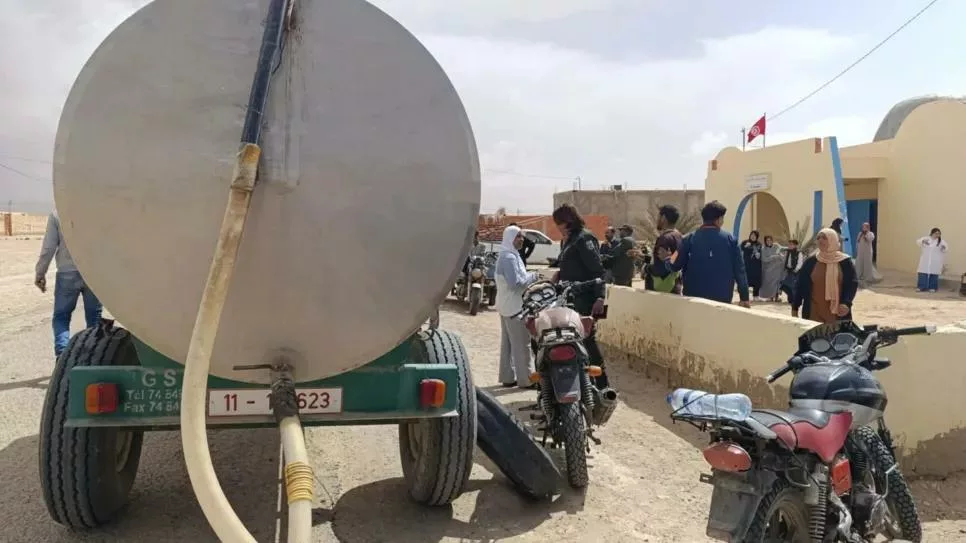
The issue of water has become a central concern. Beyond the drought, available reports highlight the dilapidated state of the SONEDE network and water losses that could approach 50 percent of the water produced under certain conditions.
The crisis is therefore as much a distribution crisis as it is a availability crisis. The case of Sfax illustrates this: a project carried out with Japanese cooperation succeeded in reducing unaccounted-for water losses from 50% to 26% in a pilot area. This shows that improving the network is possible when infrastructure rehabilitation becomes a priority.
Regional disparities remain significant. More than 3,000 reports from citizens had already been recorded in 2025, 87 percent of which were related to outages or disruptions. According to the Tunisian Water Observatory, administrative connection to the water supply does not always guarantee actual and regular access.
The shortage of bottled water further exacerbates the sense of crisis. For many households, buying bottled water is no longer a matter of convenience but a safeguard against the uncertainty of tap water.
The electricity crisis cannot be explained solely by the heat wave. According to data released in late August, peak demand is projected to reach 6,400 MW in July 2026, while available capacity is estimated at only 4,630 MW—a potential shortfall of 1,770 MW. This situation is attributed in particular to a decline in investment, delays in several power plant projects, and the slow pace of renewable energy development.
External dependence remains high: Algeria’s electricity imports are projected to account for 11% of consumption in 2025, while renewables are expected to supply only about 9%. Between July 22 and August 3, the Famma Dhaw platform also recorded 2,665 reports of power outages in 376 areas across the country; however, these citizen-reported figures do not constitute official data.
The heat wave thus primarily revealed a structural vulnerability in the electrical grid, with knock-on effects on water supplies, irrigation, businesses, healthcare facilities, and people who rely on medical equipment.
Heat Waves and Health: An Increased Risk
Heat waves act as a multiplier of difficulties. They increase electricity consumption, exacerbate water stress, fuel wildfires, and make power outages much more dangerous.
An internal estimate by the Tunisian Organization of Young Doctors puts the number of deaths potentially linked—directly or indirectly—to the combination of heat and power outages at between 150 and 200. However, this figure has not been officially confirmed and should therefore be treated with caution.
He nevertheless emphasizes the need for reliable health data on the impact of heat, power outages, and deteriorating conditions in hospitals and detention facilities.
Medications: Availability and Purchasing Power
In addition to the issue of shortages, there is now the issue of prices. On July 24, the Central Pharmacy published a new price list covering 306 medications. A subsequent comparison revealed that some price increases were particularly significant, especially for several chronic treatments.
The UGTT has condemned these increases, arguing that they risk exacerbating difficulties in accessing healthcare for employees, retirees, low-income households, and workers in the informal sector. It also warned of the risk that some patients might stop their treatment for financial reasons.
The drug shortage crisis is further compounded by an ongoing conflict between the CNAM and community pharmacies. Delayed payments are straining their cash flow and, in the long run, threaten the sustainability of the community healthcare system.
Labor Disputes and the Limitations of Traditional Social Responses
The protests by employees of environmental, plantation, and gardening companies in Gafsa and Tataouine show that labor disputes remain a significant issue.
In early August, employees protested to demand payment of their wages, the implementation of pay raises, and the regularization of their administrative status. In Gafsa, the protests led, in particular, to the closure of access to the Phosphate Company, prior to the announcement that July’s wages and the corresponding back pay would be paid.
Above all, these conflicts highlight the limitations of an outdated model: these companies were created as a means of absorbing unemployment and maintaining social stability, but today they continue to face delayed wage payments, uncertain funding, and an ill-defined legal status.
A social crisis that is turning into a crisis of confidence in public policy
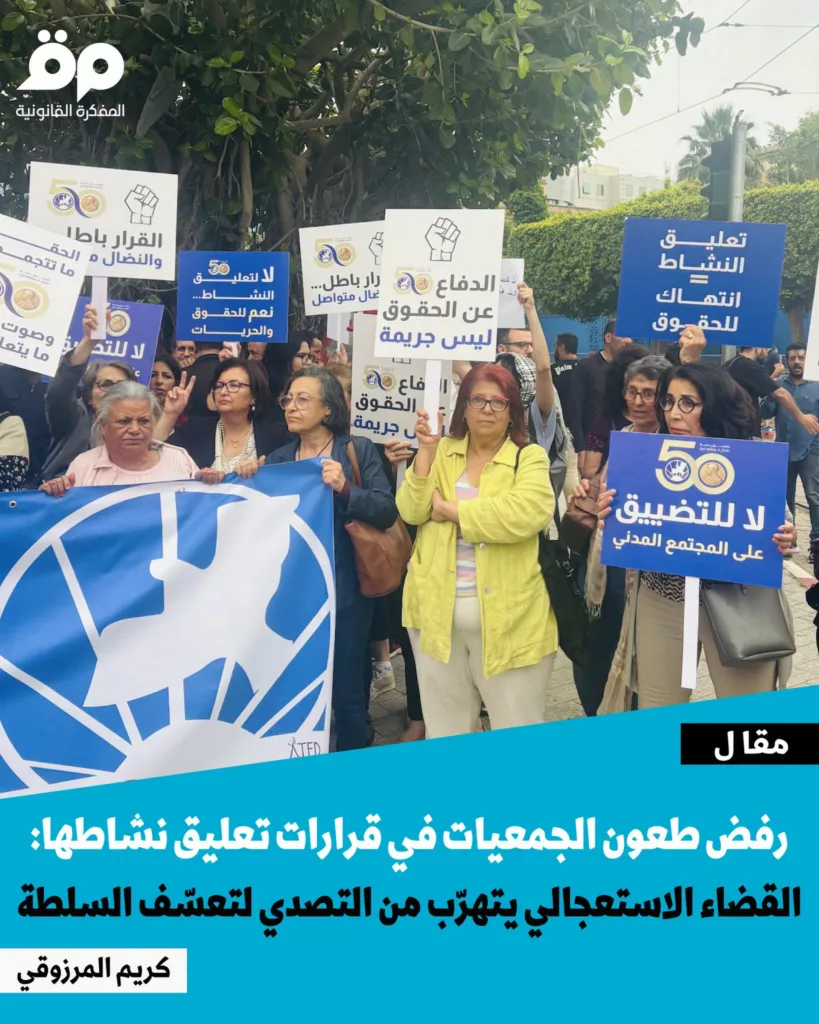
In this context, the demonstration organized by Nafas on August 20 takes on particular significance. It sought to link demands related to civil liberties and prisoners with those concerning purchasing power, water, electricity, medicine, and public services.
The key question now is whether local and sector-specific grievances can converge.
For the common thread linking these protests is becoming increasingly clear: the government remains the primary target of the demands. Ministries, governorates, municipalities, SONEDE, STEG, and other public institutions are being directly called out.
The summer of 2026 thus reveals a crisis that is not only social but also a crisis of confidence in public policy. The problem no longer lies solely in the shortage or the cutback itself, but in the feeling that decisions are made, crises are managed, and price increases are imposed without sufficient explanation.
Tunisian social issues thus appear to be shifting toward the day-to-day functioning of the state: water, electricity, medicine, health care, waste management, fire safety, and the payment of wages have all become criteria by which citizens now evaluate the effectiveness of public authorities.
When hundreds of local protests simultaneously focus on these same basic needs, a series of scattered outbursts of anger can begin to coalesce into a nationwide social movement.