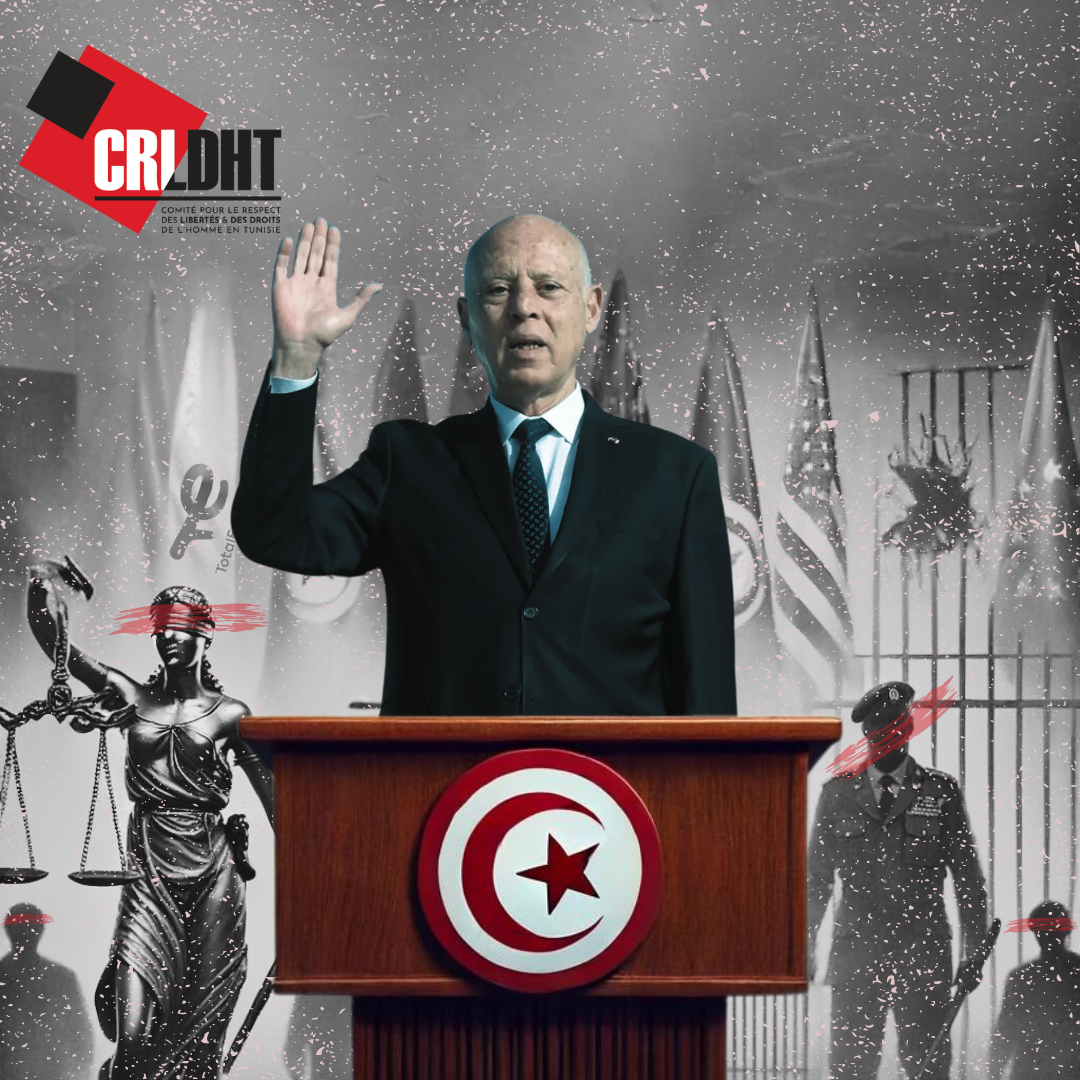
In the arcanes of Tunisian power, one enigma persists: Kaïs Saïed. Since his election in 2019, he has generated controversy and concern. But while Tunisians yearn for real change, Saïed's actions have often belied his populist rhetoric, casting doubt on his legitimacy and ability to govern. What's more, his actions in power have often contradicted his words, particularly when it comes to his positions on sensitive issues such as national sovereignty and Palestine. His actions have shown his true face.
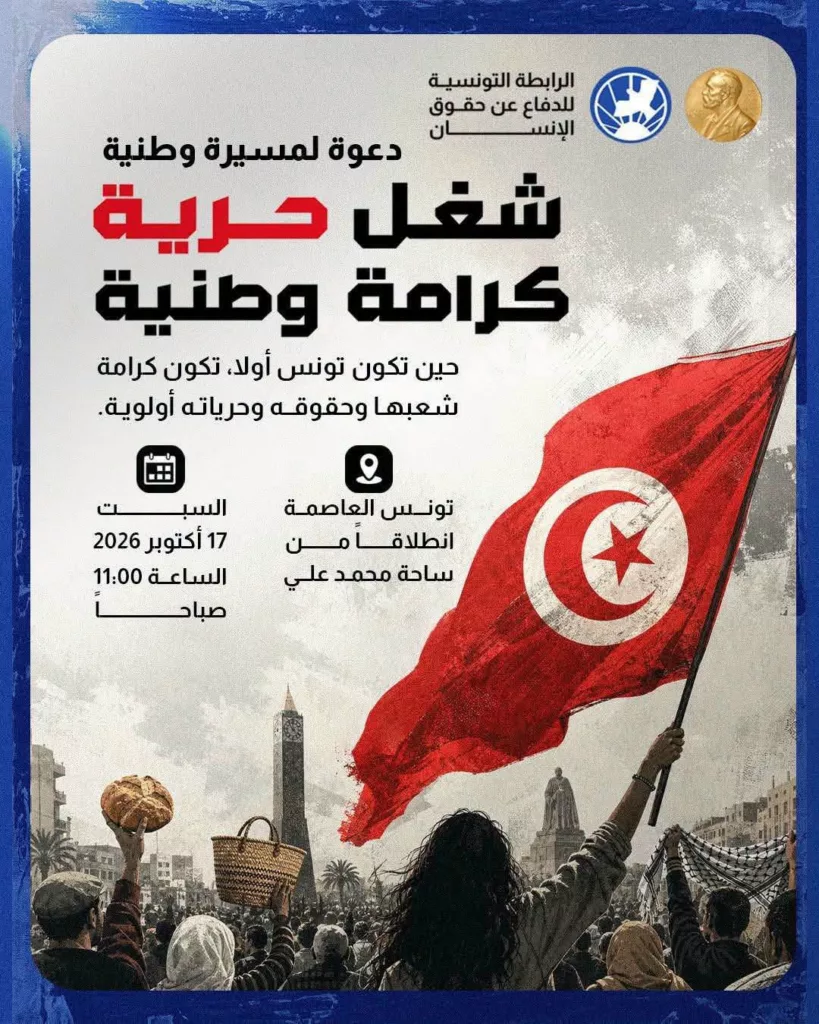
In July 2021, Kaïs Saïed took a series of radical decisions that turned the Tunisian political scene upside down. He suspended Parliament, dismissed the Prime Minister and lifted the parliamentary immunity of MPs. These putschist measures plunged Tunisia into a deep political crisis, threatening the fragile foundations of its fledgling democracy.
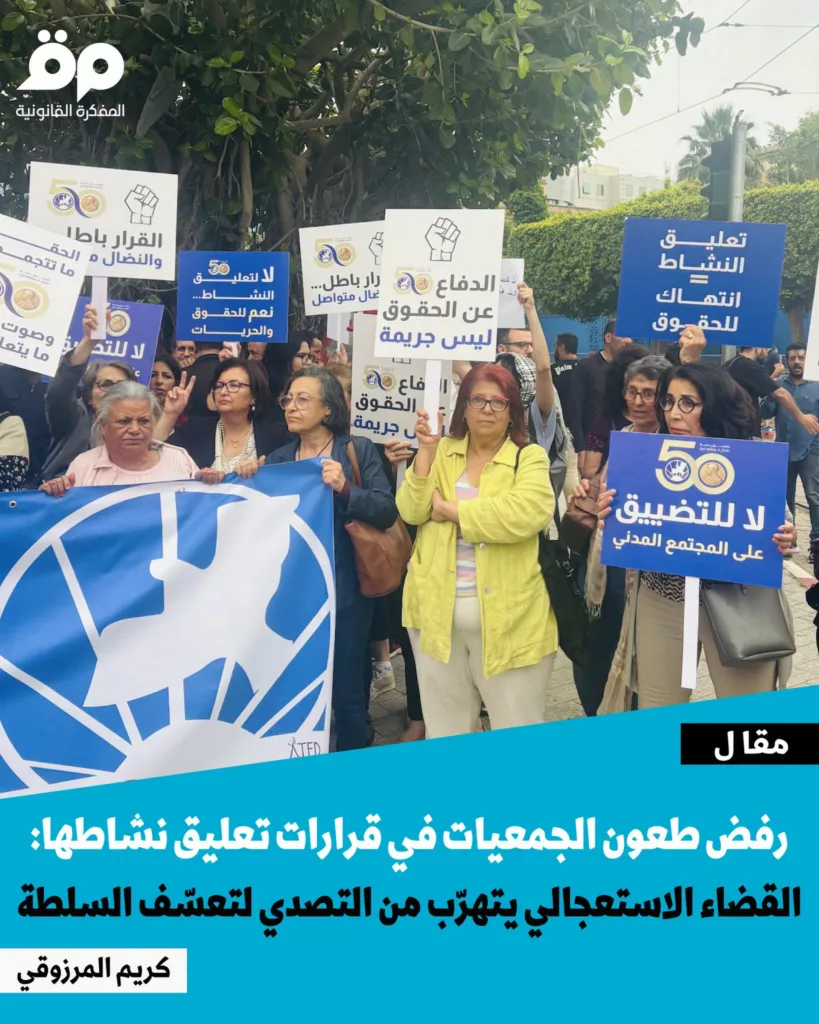
Under the guise of fighting corruption, Saïed has created a climate of intense repression. Since coming to power, he has constantly denounced the political and economic elites, accusing them of betraying the ideals of the 2011 revolution. Arbitrary arrests and summary trials are on the increase, targeting many influential figures from civil society and political figures. This return to authoritarian practices is jeopardizing the democratic gains achieved at great cost.
One of Saïed's main strategies for justifying his authoritarian measures is the accusation of widespread corruption among the elite. Although corruption is a real problem in Tunisia, the use of this pretext to consolidate power and silence political opponents raises serious concerns. Opposition figures, activists and even judges have been arrested on charges that are often vague and unsubstantiated, creating a climate of fear and uncertainty.
Media control is another facet of repression under Saïed. Journalists critical of the government have been harassed and arrested... and several privately-owned media have come under increasing pressure. Press freedom, one of the major gains of the Tunisian revolution, is thus seriously threatened. This muzzling of the media complicates access to information.
Kaïs Saïed has made national sovereignty a central pillar of his political discourse. He promised to free Tunisia from the grip of foreign powers and international financial institutions. However, he forced Tunisia to rely on international loans, often with strict conditions attached. This increased economic dependence contrasts sharply with his campaign promises.
Despite his scathing criticism of major international corporations, Saïed recently signed an agreement with Total for a green hydrogen project in Tunisia. This partnership raises questions about the coherence of his populist discourse, denouncing on the one hand the influence of foreign companies while at the same time forging economic agreements with them. Moreover, concerns have been raised about the potential negative ecological impact of this project, particularly with regard to the intensive use of natural resources and the environmental risks associated with industrial exploitation.
To stabilize the economy, Saïed had to resort to international loans, mainly from the IMF. In October 2022, Tunisia took out a $185 million syndicated loan to finance the budget, and in May 2024 secured $400 million in Saudi financing. These loans come with strict conditions, including economic reforms and austerity measures.
In June 2024, Tunisia narrowly avoided default thanks to a $500 million loan, but this temporary solution did not solve the structural problems of the Tunisian economy, marked by high public debt and stagnant growth.
Despite his fiery declarations on sovereignty, Saïed has also strengthened ties with Gulf countries such as Saudi Arabia and the United Arab Emirates. These relationships, sometimes criticized for their potential for foreign interference, show another contradiction between his rhetoric on national independence and the reality of his strategic alliances.
Saïed sought to strengthen relations with Italy, particularly on the issue of immigration. In July 2023, the head of the Italian government, Georgia Meloni, succeeded in getting the European Union and Tunisia to sign a memorandum of understanding, the primary aim of which is to control migratory flows from Tunisia to Europe. This collaboration has been criticized for the security approach adopted, which contrasts with Saïed's rhetoric on dignity and human rights.
Tunisia's relations with China under Saïed have intensified, notably through infrastructure projects and investments in key sectors such as energy, telecommunications, transport and technology. Although this cooperation is presented as beneficial for economic development, it raises questions about China's growing influence in Tunisia and the conditions of such partnerships, which can sometimes limit national sovereignty.
Saïed has also sought to strengthen ties with Iran, adopting a more open stance than previous regimes, notably those of Béji Caïd Essebsi and Moncef Marzouki. This relationship, while strategic for diversifying Tunisia's international partnerships, is complex and may give rise to tensions with other regional and international partners, particularly those opposed to Iranian influence. In opposition to the West, Tunisia under Saïed appears to be forming new alliances with powers such as China, Russia and Iran, redefining its foreign policy and international relations.
Kaïs Saïed has repeatedly expressed his support for the Palestinian cause. However, his concrete actions in favor of this cause remain limited. Despite its fiery speeches, Tunisia has not taken any significant diplomatic action to advance the Palestinian cause. Concrete initiatives are rare, and the Tunisian government seems to be content with mere public declarations and symbolic actions, without bringing about any real change on the international scene.
Saïed has often used the Palestinian cause to boost his popularity and position himself as a leader for justice and dignity in the Arab world. However, this rhetoric has not been followed by tangible policies. For example, while countries like South Africa have taken firm positions and concrete actions in support of Palestine. Tunisia opposed a motion in the Security Council for a ceasefire on the pretext ...
Tunisian diplomacy, traditionally aligned with unwavering support for the Palestinian cause, seems to lack dynamism and clear direction under Saïed. The international commitments and strategic alliances needed to effectively support Palestine have not been strengthened, giving way to a façade of diplomacy that compromises Tunisia's credibility on the international stage.
Kaïs Saïed's ambiguities are indicative of the challenges faced by populist leaders when they come up against the realities of power. But more than a simple question of consistency, the very future of Tunisian democracy is at stake. Saïed has repeatedly demonstrated his inability to govern in a transparent and inclusive manner, preferring to lock himself into a worrying authoritarianism.
To restore democracy and guarantee the political stability needed for economic reform, democratic elections must be held. It is also crucial to release political prisoners and guarantee legal and fair trials for all. These measures are essential to restore public confidence in Tunisia's institutions.