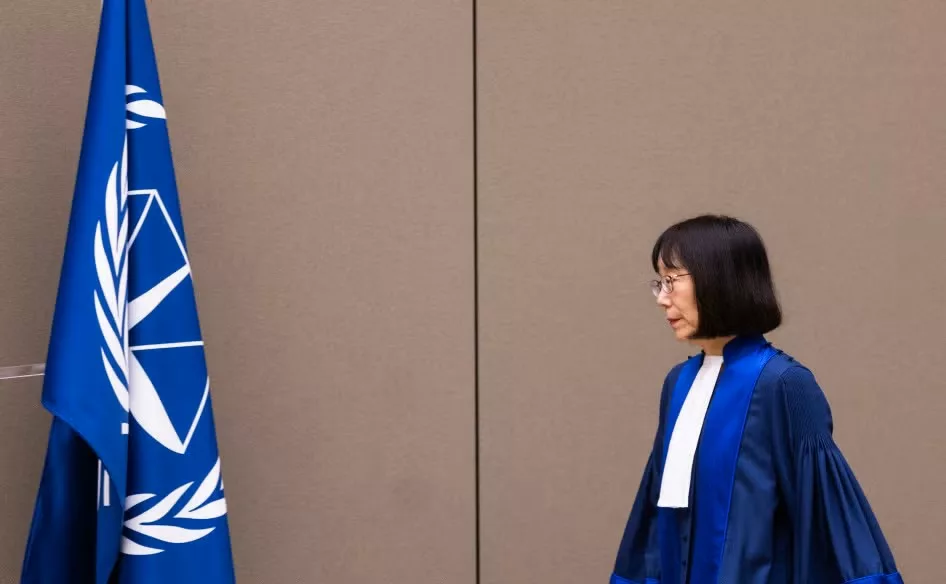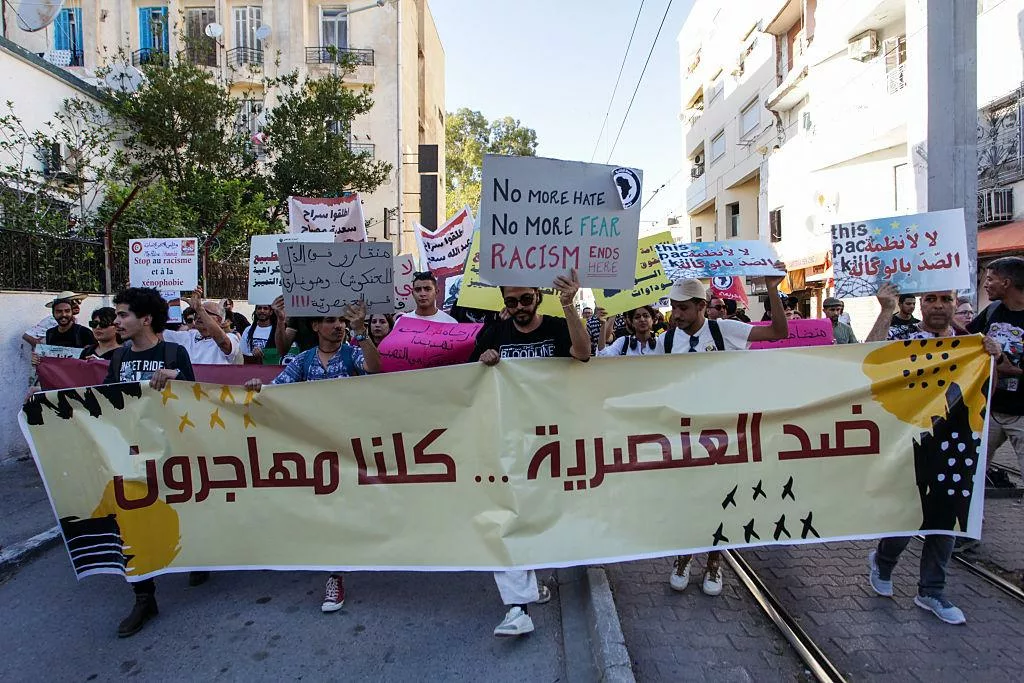
On February 10, 2026, the European Parliament adopted a major reform of the asylum system in a plenary session. Two texts were voted on: the creation of a common list of "safe countries of origin"—including Tunisia—and the extension of the rules relating to "safe third countries," facilitating returns. The voting figures:
- List of safe countries of origin: 408 votes in favor, 184 against, 60 abstentions.
- Rules on safe third countries: 396 votes in favor, 226 against, 30 abstentions.
The majority was built around the European People's Party (EPP) and Renew Europe, with the support of a large part of the sovereigntist and far-right groups.
The Greens/EFA and the Left (GUE/NGL) voted against. Within the Socialists & Democrats (S&D), positions were divided, with a significant number of negative votes and abstentions.
These results reflect a political shift: asylum management is now primarily considered from the perspective of acceleration and return.
An unstable balance
Classifying Tunisia as a "safe country of origin" does not formally remove the right to asylum. But it does alter the balance of the system:
- Accelerated procedures (timeframe reduced to three months).
- Presumption of safety.
- Reversed burden of proof.
- Increased risk of rapid rejection and forced return.
In 2024, nearly 14,700 Tunisians applied for asylum in the European Union, including more than 10,000 in Italy. From now on, these applications will be examined on the grounds that they are unfounded.
The contradiction is striking: in recent months, the same Parliament has denounced the deterioration of fundamental freedoms in Tunisia. Yet today it claims that the country is "generally safe."
A decision with knock-on effects
For Tunisians seeking asylum: procedures will be faster, guarantees tighter, and rejections more likely. Those exposed—political opponents, journalists, dismissed magistrates, activists—will have to convince authorities in a short period of time that protection is necessary.
For Tunisians living in Europe: the decision sends a political signal: if your country is "safe," your presence becomes less legitimate. Return policies could intensify.
For migrants intercepted at sea: the reform consolidates the logic of externalization: the European Union considers Tunisia sufficiently "safe" to return people intercepted in the Mediterranean, under security cooperation agreements that have been strengthened since 2023.
Harry's temperament and the human context
A few weeks before the vote, Storm Harry hit the central Mediterranean.
Between January 14 and 21, 2026, dozens of boats left the coast of Sfax.
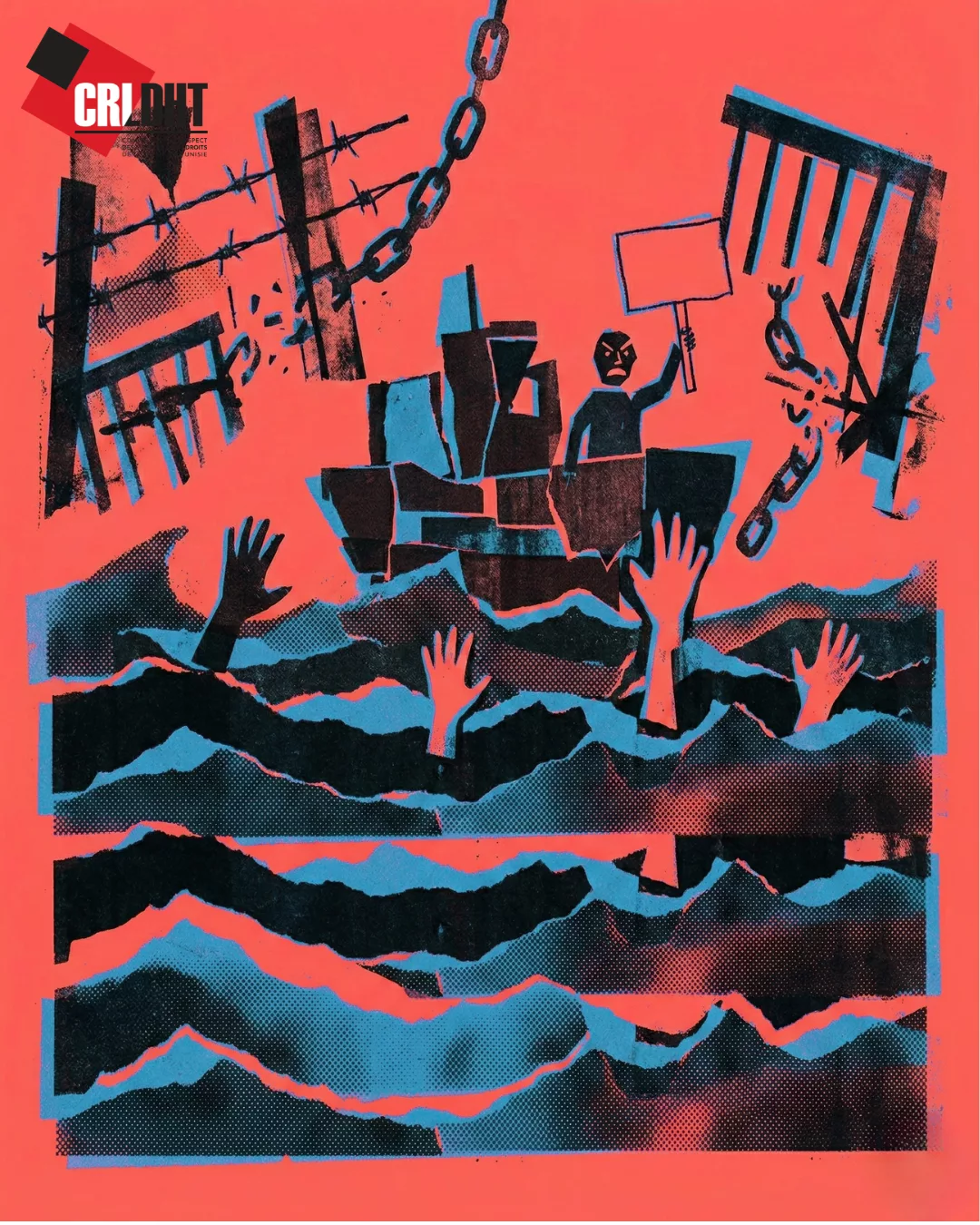
Official toll: 380 missing. Estimates from NGOs such as Mediterranea Saving Humans: up to 1,000 possible. These shipwrecks do not occur in a political vacuum: they are part of a system in which legal channels are closing and deterrence is becoming a strategy.
The more access to asylum is restricted, the more the sea becomes the last resort.
The more the sea becomes the last resort, the more it becomes a graveyard.
A divided Europe, but determined to take a tougher stance
The debates were heated. Groups in favor defended a "firmer approach" to combat abuse and reduce backlogs. Opponents denounced a structural violation of the right to asylum, warning of the risk of returns to countries where the human rights situation remains worrying.
The final result—more than 400 votes in favor of the central text—shows, however, that a cross-party majority is now in favor of a policy of restriction.
The reform redraws the contours of asylum law in Europe. It formalizes an approach that is already in place: prevent upstream, accelerate downstream.
The central Mediterranean remains the deadliest migration route in the world. When hundreds of people disappear at sea and, at the same time, access to protection is restricted, the debate cannot be limited to the administrative management of migration flows.
The question is now political and moral: is the right to asylum still a fundamental right, or is it becoming a conditional exception?
The vote on February 10, 2026 provides a clear answer. The question remains: at what human cost?