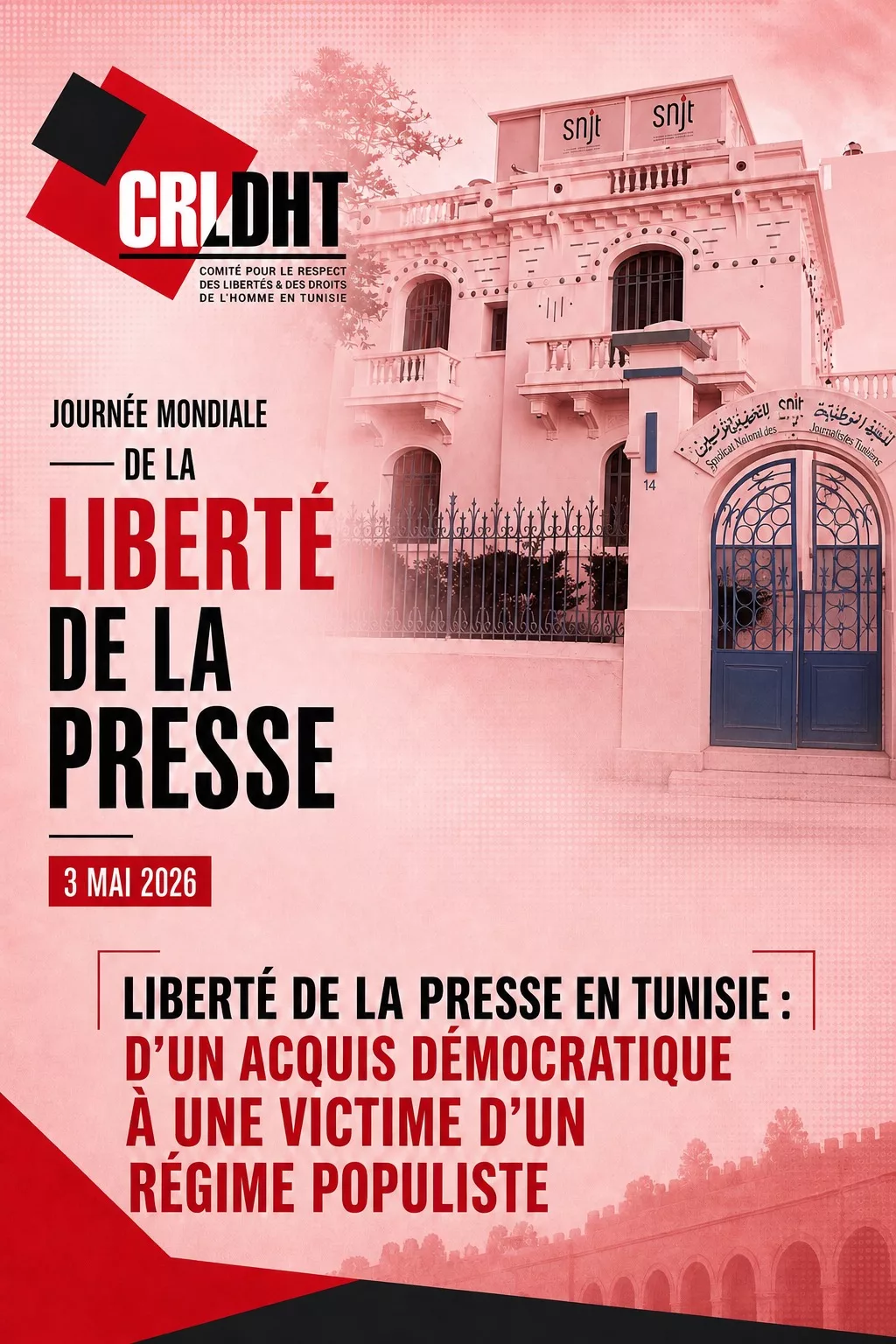
The role of the press is not to shower those in power with praise, but to hold them accountable. It serves as a barometer of society and the voice of citizens’ concerns. So when a regime comes to fear journalists, the problem never lies in the relevance of the questions, but rather in the awkwardness of the answers.
The Monologue as a Form of Governance
Today, the rift between President Kaïs Saïed and the Tunisian media is complete. For several years now, the head of state has banned the otherwise basic practice of holding open press conferences. Constructive dialogue has been swept aside, pure and simple, and replaced by one-sided communication: solemn speeches delivered on camera that allow for no response.
Meanwhile, the media landscape is undergoing a systematic overhaul:
*Public media have been stripped of their independence and reduced to mere mouthpieces for the official line.
*Private media outlets, stifled by political and legal pressures, operate in a climate of constant intimidation.
To survive, many newsrooms practice self-censorship, while political talk shows are being canceled one after another. Only a handful of courageous journalists continue to uphold the profession’s standards, at the cost of legal action and daily threats.
The Gag Rule
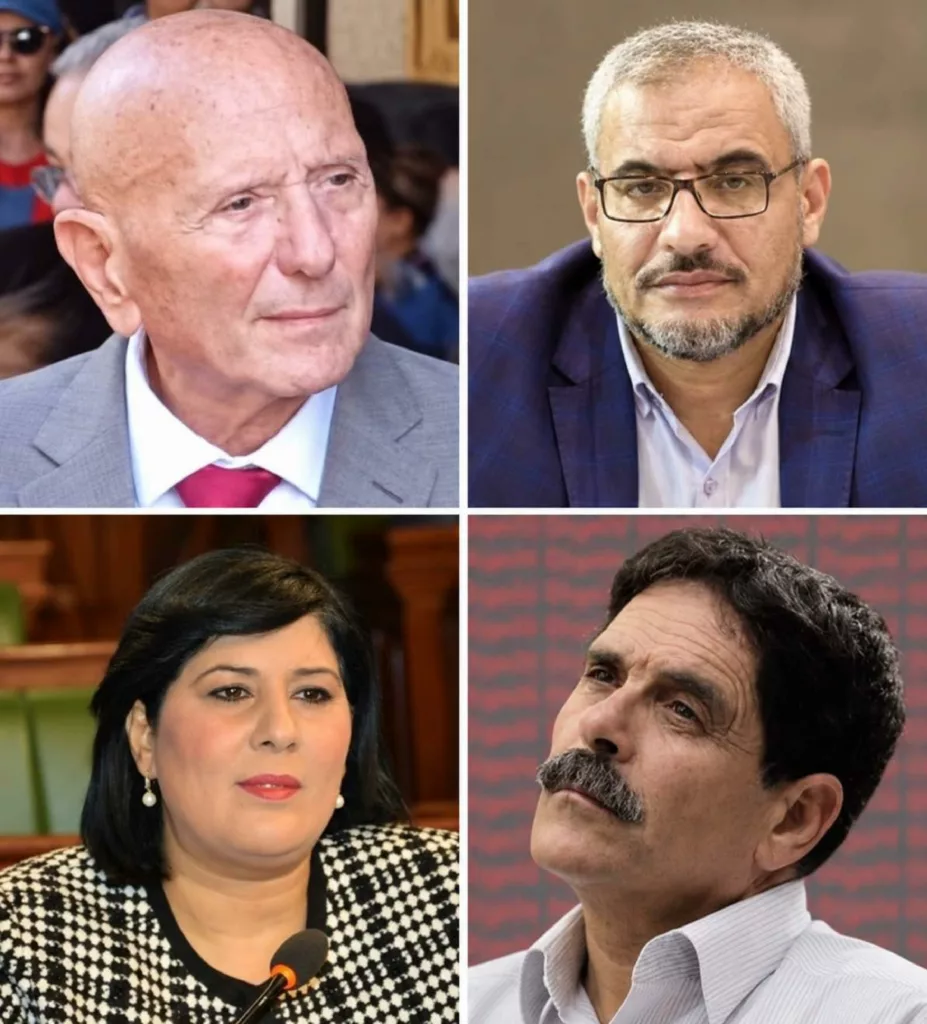
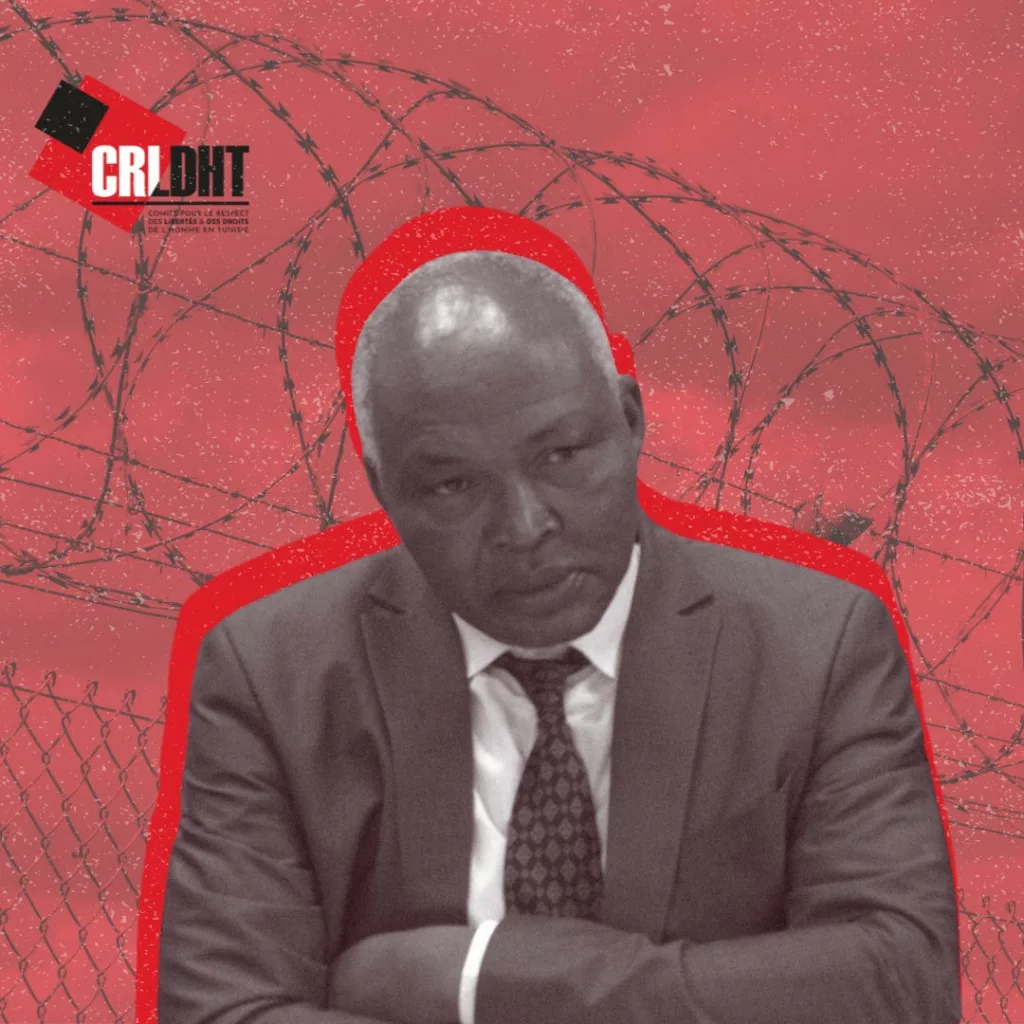
The list of media professionals targeted by the government is growing and serves as a warning: the imprisonments of Mourad Zeghidi, Borhen Bsaies, and Zied El Heni, as well as the convictions and prosecutions of Khaoula Boukrim, Sonia Dahmani, and Mohamed Boughalleb, are not judicial anomalies. They illustrate a brutal rollback of civil liberties and a clear intent to bring the independent press to heel.
The repeated attacks by the country's leadership are not aimed at reforming the media sector, but at controlling the narrative.
A professional press is disruptive because it acts as a mirror held up to the executive branch’s failings. It asks the questions that those in power pretend to ignore:
– Why are economic indicators continuing to plummet?
– What happened to the promises of prosperity made to the Tunisians?
– How can we explain the rise in unemployment, soaring prices, and the collapse of purchasing power?
These questions are neither a provocation nor a conspiracy: they are the very essence of the journalistic mission.
Silence to mask the emptiness
Silencing journalists or avoiding the media will not resolve any crisis. On the contrary, this strategy of avoidance only widens the gap of mistrust between the people and their leaders. A government capable of defending its record does not fear criticism; it confronts it and responds to it.
But what kind of record can Kaïs Saïed really point to today? The political, economic, and social outcomes of recent years are light-years away from the hopes raised when he came to power. It is precisely because the reality is indefensible that spaces for free debate are shrinking rapidly.
However, silencing critical voices is a short-term illusion. It will not eliminate shortages, the daily hardships faced by Tunisians, or their legitimate aspirations for dignity and freedom.
Ultimately, freedom of the press remains the ultimate barometer of a democracy. Democracy is measured neither by the outrage expressed in official statements nor by the sheer number of press releases. It is judged by a journalist’s freedom to ask a question without fear, and by a leader’s duty to answer it without seeking to punish