In autumn 2025, Gabès became the symbol of a sacrificed population. Since the start of the new school year, scenes of unprecedented brutality have been circulating on social networks: children collapsing in class, neighborhoods invaded by toxic gases, hospitals saturated. Over 200 to 300 cases of asphyxiation have been reported in just a few weeks, most of them involving schoolchildren.
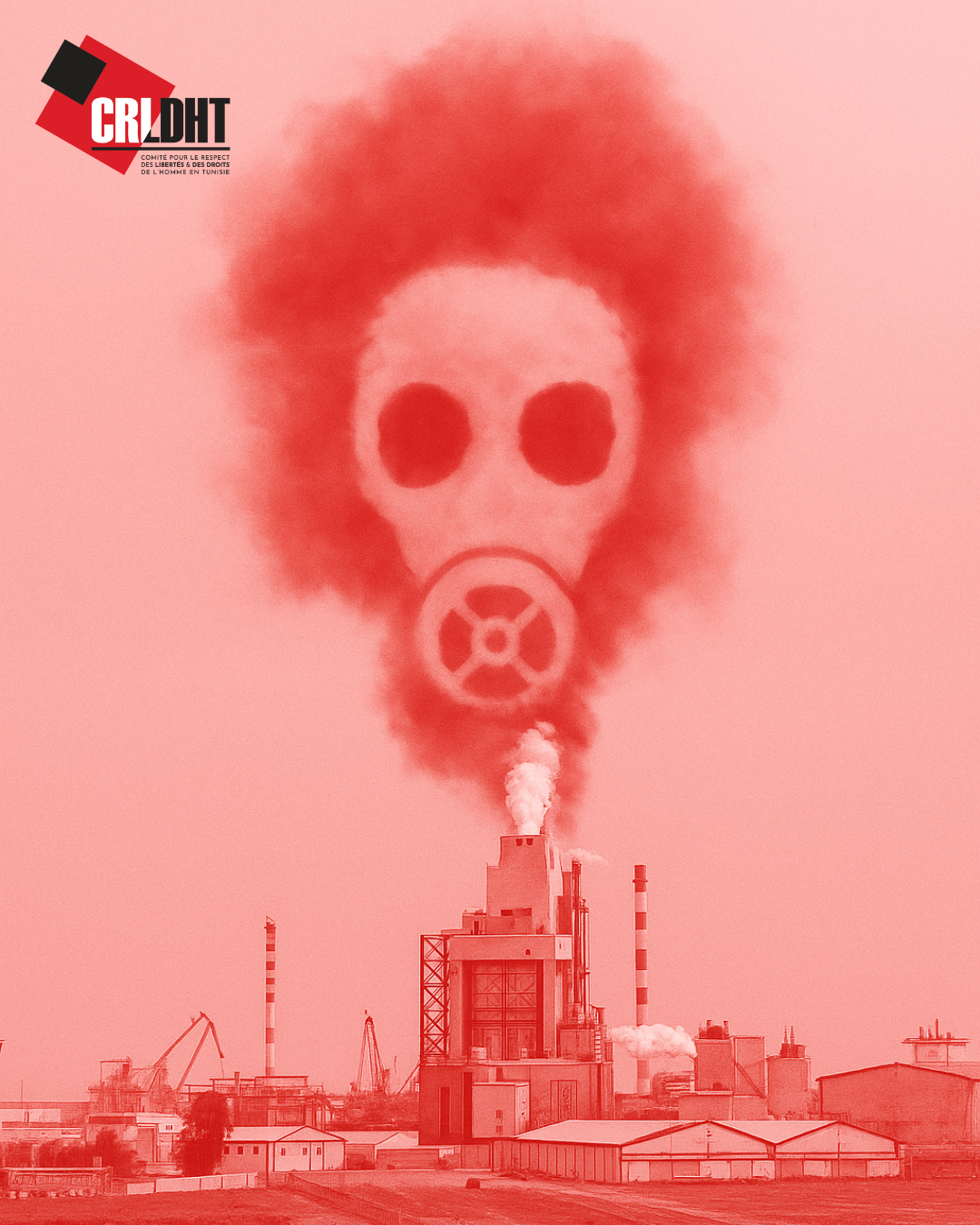
While the population suffocates, the figures confirm the scale of the tragedy: the Tunisian Chemical Group still discharges 14,000 to 15,000 tonnes of phosphogypsum daily into the Gulf of Gabès, destroying up to 93% of marine biodiversity. Videos shot by fishermen - whitish waters, dead fish, barren seabeds - make tangible an ecocide that has been institutionalized for decades.
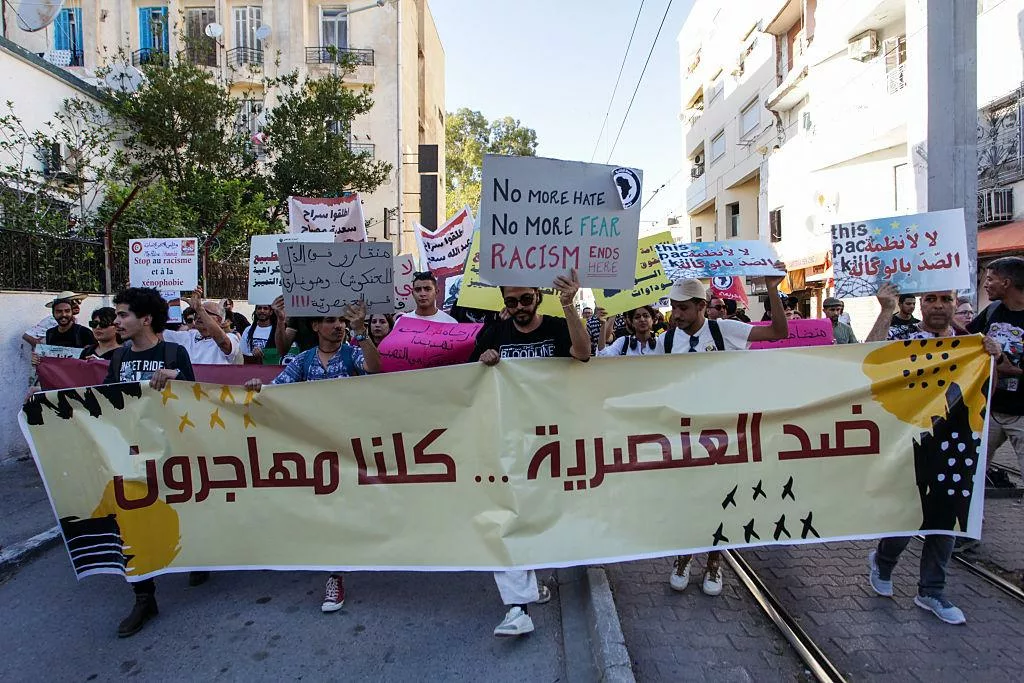
On October 21, 2025, anger exploded. A total general strike paralyzes the city: between 130,000 and 150,000 demonstrators take to the streets to demand not material benefits, but a fundamental right: to breathe and live in a healthy environment. The slogans, massively relayed in Facebook lives, sum up the situation:
"Gabès is suffocating", "We want to live", "No development on our corpses".
Faced with this historic mobilization, Kaïs Saïed speaks of an "environmental crime", without proposing the slightest structural measure: no closure of toxic units, no dismantling, no responsibilities established. The only responses are technical - or clientelist, through the announcement of 1,600 recruitments - while the decision to relocate polluting units (taken in 2017) remains buried.
At the same time, the state opted for repression: tear gas, over 70 arrests - including minors -, night raids. Viral videos show young people being dragged to the ground and parents shouting:
"You arrest our children, but you leave the polluters alone!"
The LTDH denounces this "disproportionate" repression. Some organizations see it as a "brutal strategy of dissuasion" and an "ecological intifada" that the authorities do not understand.
The authorities then try to impose a conspiracy narrative, accusing foreign forces or NGOs of manipulating the protest. But the videos deny it: it's teachers, mothers, fishermen and students who are testifying. Meanwhile, associations supporting the movement - ATFD, FTDES, Nawaat - are suspended, revealing a wider offensive against civic space.
This uprising is not just an environmental crisis: it is the expression of a massive human tragedy. Doctors are reporting an explosion in cancers, respiratory diseases, kidney failure and bone fragility in children. The Gulf of Gabès has become a dead zone. And breathing the air of Gabès is, according to its inhabitants, a permanent health risk.
Lawyers and activists point out that the rights violated - the right to health, to physical integrity, to information, to a healthy environment - are guaranteed by the Constitution and the ICESCR. As several doctors state in videos: "This is no longer an ecological problem. It's a serious, systemic violation of human rights.
Massively relayed in Tunisia and abroad, the mobilization now extends beyond the region. Solidarity rallies are being held in Tunis, Paris and Toulouse. Gabès embodies a national struggle against a deadly development model, against industrial impunity and against the regime's authoritarian drift.
The conclusion drawn by the residents is unambiguous: Gabès is not fighting for a local cause, but for the right to live. A 15-year-old girl summed it up in a now-viral live broadcast: "I just want to breathe. Is that too much to ask of my country?"
Through Gabès, the Tunisian state's relationship with its citizens, democracy and human rights is being questioned - and profoundly challenged.
Power chooses, force, denial and clientelism not life
Faced with the disaster in Gabès, the State did not manage a crisis: it exposed its powerlessness and violence. Instead of protecting a poisoned population, the authorities resorted to their old reflexes: minimize, divert and repress.
Minimize: no published data, no health alerts, no recognized link between poisoning and pollution - despite constitutional obligations of transparency and health protection.
Detour: instead of closing the toxic units as planned in 2017, the President announces the arrival of an engineer from Shanghai and promises 1,600 new hires at the chemical complex. Communication and clientelism, not policy.
Repression: tear gas, arrests of minors, night raids, smear campaigns. Then the suspension of NGOs such as ATFD, FTDES and Nawaat, guilty of documenting what the state wants to keep quiet.
Basically, the message is clear: the regime prefers to silence anger rather than shut down what's killing people.
Gabès doesn't lack solutions; it lacks a state that respects life. The ecological crisis has become a crisis of governance, then a crisis of human rights.
The real question is no longer when will the state act, but how long will it choose polluters over its own population?
Gabès has already responded: she is fighting for a simple, non-negotiable right - to live.