On July 10, 2024, the Tunisian judiciary handed down abusive decisions concerning two well-known public figures, illustrating for the umpteenth time the lack of independence and fairness of the Tunisian judicial system.
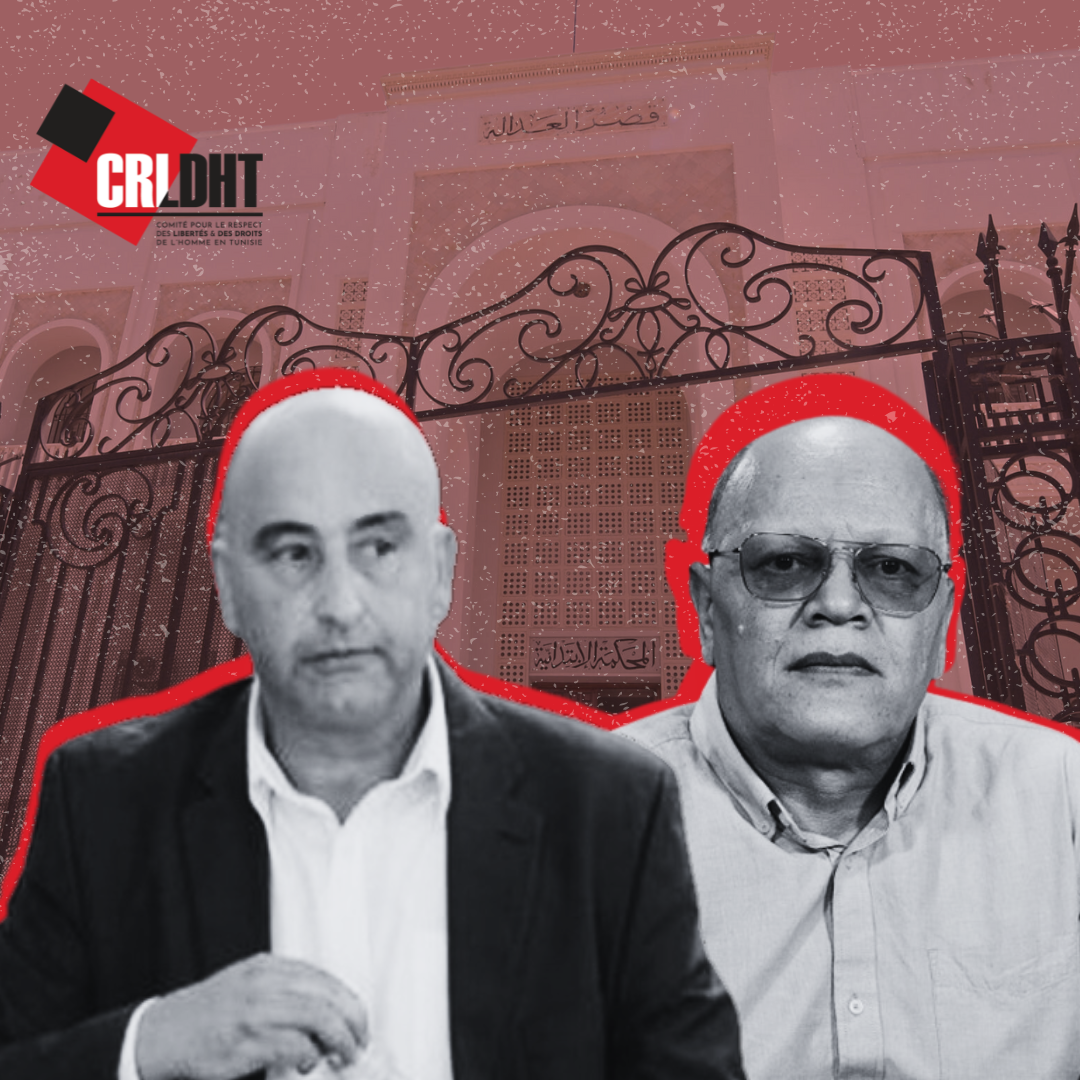
Zaki Rahmouni, former member of the Independent Superior Electoral Body (ISIE), has been sentenced to two years in prison. Given the vagueness of the charges, his conviction can only raise doubts about the transparency and impartiality of judicial proceedings. This is yet another disguised maneuver of political intimidation, all the more so in a pre-electoral context where the ISIE (neither a superior nor an independent electoral body) must play a central role.
In no fewer than five cases brought against Sami Ben Slama, also a former member of the ISIE and still legally enjoying the immunity granted to him by law, he was nonetheless sentenced to a total of two years' imprisonment and fined 800 dinars.
These convictions are unjust and disproportionate to the facts of the case, which essentially concern the freedom of expression theoretically guaranteed by current legislation. Voices are being raised to denounce what they perceive as the instrumentalization of justice to silence all criticism and dissuade all forms of dissent.
These convictions were handed down by a judge with a reputation for taking orders, Judge Hatem Ben Mlouka, President of the 6th Correctional Chamber of the Tunis Court of First Instance, which is placed under the direct supervision of the Minister of Justice through Judge Makrem Jelassi, a member of the cabinet. They come in the midst of preparations for the presidential election, exacerbating an already tense political climate.
Kais Saied, the future candidate for his succession, is thus neutralizing his detractors and even his possible competitors, using the judicial institution to eliminate any opposition and gain control over the electoral process, a strategy which could have serious repercussions on the very credibility of the forthcoming election.
Lawyers for Mr. Rahmouni and Mr. Ben Slama have announced their intention to appeal, denouncing biased trials and a blatant lack of evidence. This situation highlights the persistent challenges facing political prisoners and prisoners of conscience. Tunisian justice suffers from a clear lack of independence.
These convictions raise fundamental questions about the rule of law in Tunisia. When justice is perceived as a tool of repression rather than a guarantor of fairness and the search for truth, public confidence in institutions could be seriously eroded. What's more, such decisions are likely to dissuade citizens from taking an active part in political life for fear of reprisals.
Tunisia urgently needs to take concrete steps to ensure the independence of its judicial system and guarantee its citizens the right to a fair trial.
The Comité pour le Respect des Libertés et des Droits Humains en Tunisie (CRLDHT), human rights organizations and the international community must remain vigilant and ready to intervene to safeguard these fundamental principles.
Faced with these denials of justice aimed at reducing the scope of freedom of expression, the CRLDHT :
● Firmly denounces the prison sentences handed down to Zaki Rahmouni and Sami Ben Slama;
● Condemns the government's attacks on all forms of opposition and its use of the judicial system;
● Affirms its support for all activists and militants arrested or prosecuted for exercising their freedom of expression, and calls on the Tunisian authorities to put an end to the legal proceedings against them;
● Calls on all national and international organizations and democratic forces to unite in the face of repression.