A highly controversial European reform
The entry into force of the European Pact on Migration and Asylum in June 2026 marks a new stage in the tightening of the European Union’s migration policies. Presented as a reform aimed at harmonizing asylum procedures, strengthening solidarity among member states, and better managing the Union’s external borders, this Pact has been strongly criticized by numerous human rights organizations.
For GISTI (Information and Support Group for Immigrants), the Pact represents a major setback for the fundamental rights of migrants and exiles. Adopted by the European Parliament on April 10, 2024, following a process deemed opaque, it is primarily driven by a logic of migration control rather than a goal of protecting people. GISTI believes that it prioritizes deterring arrivals, screening exiles, accelerating deportations, and outsourcing migration policy to transit countries, to the detriment of the right to asylum, the principle of non-refoulement, and the fundamental safeguards provided for under international law.
In particular, the Pact expands the “hotspot” approach, which has been piloted since 2015 in Greece and Italy. According to GISTI, these measures impose expedited procedures with timeframes that are incompatible with a thorough review of asylum claims and facilitate the detention of individuals at the EU’s external borders. This screening process leads to the rapid identification of those likely to be granted protection and the expedited removal of the others.
Outsourcing Immigration Control to Tunisia
This policy is accompanied by an increase in the outsourcing of immigration control. The European Union is increasingly delegating the management of its borders to third countries through political, financial, and security agreements.
The memorandum of understanding signed with Tunisia in July 2023 is one of the most emblematic examples of this strategy. In exchange for financial, material, and logistical support, Tunisia is tasked with strengthening its border surveillance, preventing departures to Europe, and combating smuggling networks.
For many human rights organizations, this cooperation amounts to transferring responsibility for migration control to a state that has neither a genuine national asylum system nor sufficient safeguards for the protection of fundamental rights. Tunisia is thus gradually being turned into a buffer zone, tasked with holding migrants back before they reach European territory.
The Consequences for Sub-Saharan Migrants
The consequences are particularly severe for migrants from sub-Saharan Africa.
Since President Kaïs Saïed’s speech on February 21, 2023, in which he denounced an alleged “conspiracy” aimed at altering the country’s demographic composition, national and international organizations have documented a resurgence of racist and xenophobic violence. Amnesty International, Migreurop, the Tunisian Forum for Economic and Social Rights (FTDES), the Tunisian Human Rights League (LTDH), the Committee for the Respect of Freedoms and Human Rights in Tunisia (CRLDHT), the International Federation for Human Rights (FIDH), Lawyers Without Borders (ASF), Euromed-droits, Human Rights Watch, and several Tunisian organizations believe that this rhetoric has helped legitimize a climate of hatred toward Black people and migrants.
Since then, sub-Saharan migrants have been subjected to physical assaults, evictions from their homes, job terminations, arbitrary arrests, discrimination in access to healthcare, housing, and employment, as well as widespread hate speech. Several investigations have also documented acts of violence committed during interceptions at sea, confiscation of property, beatings, and extortion.
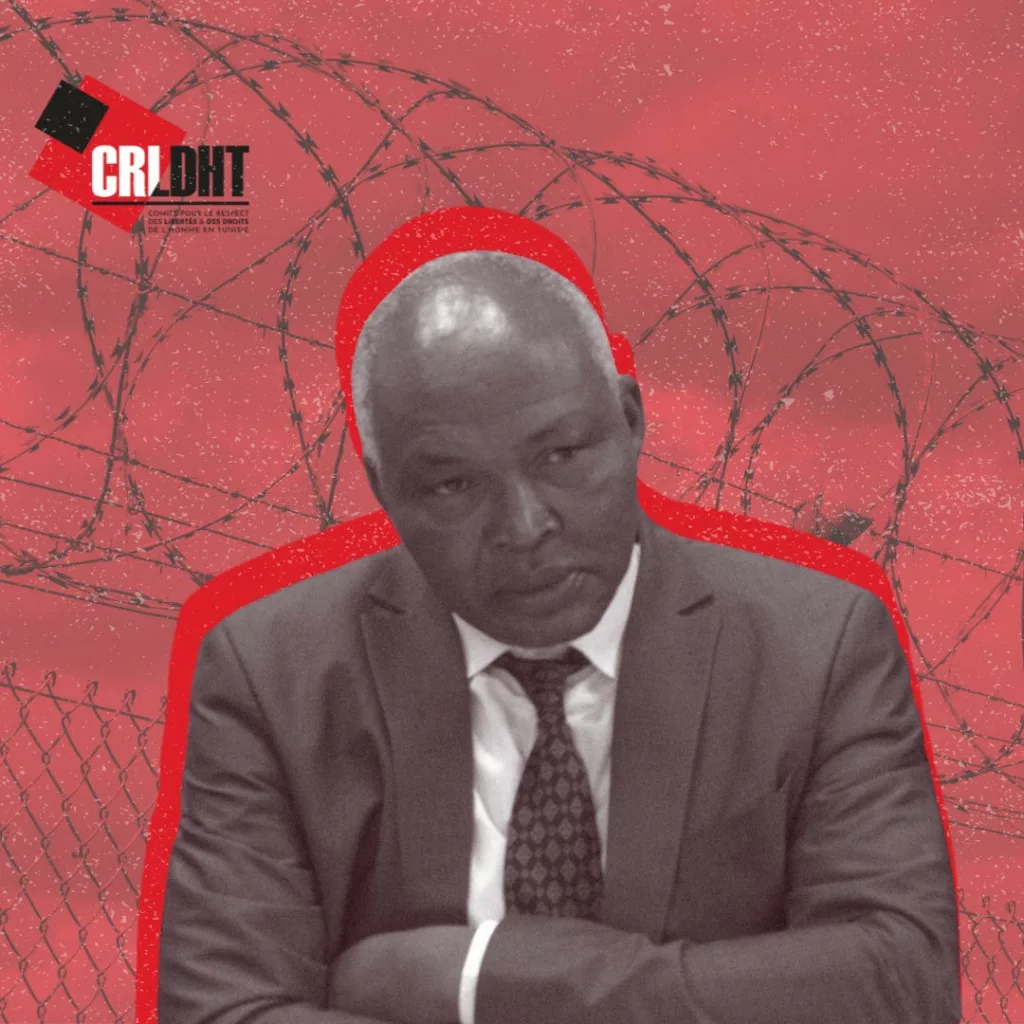
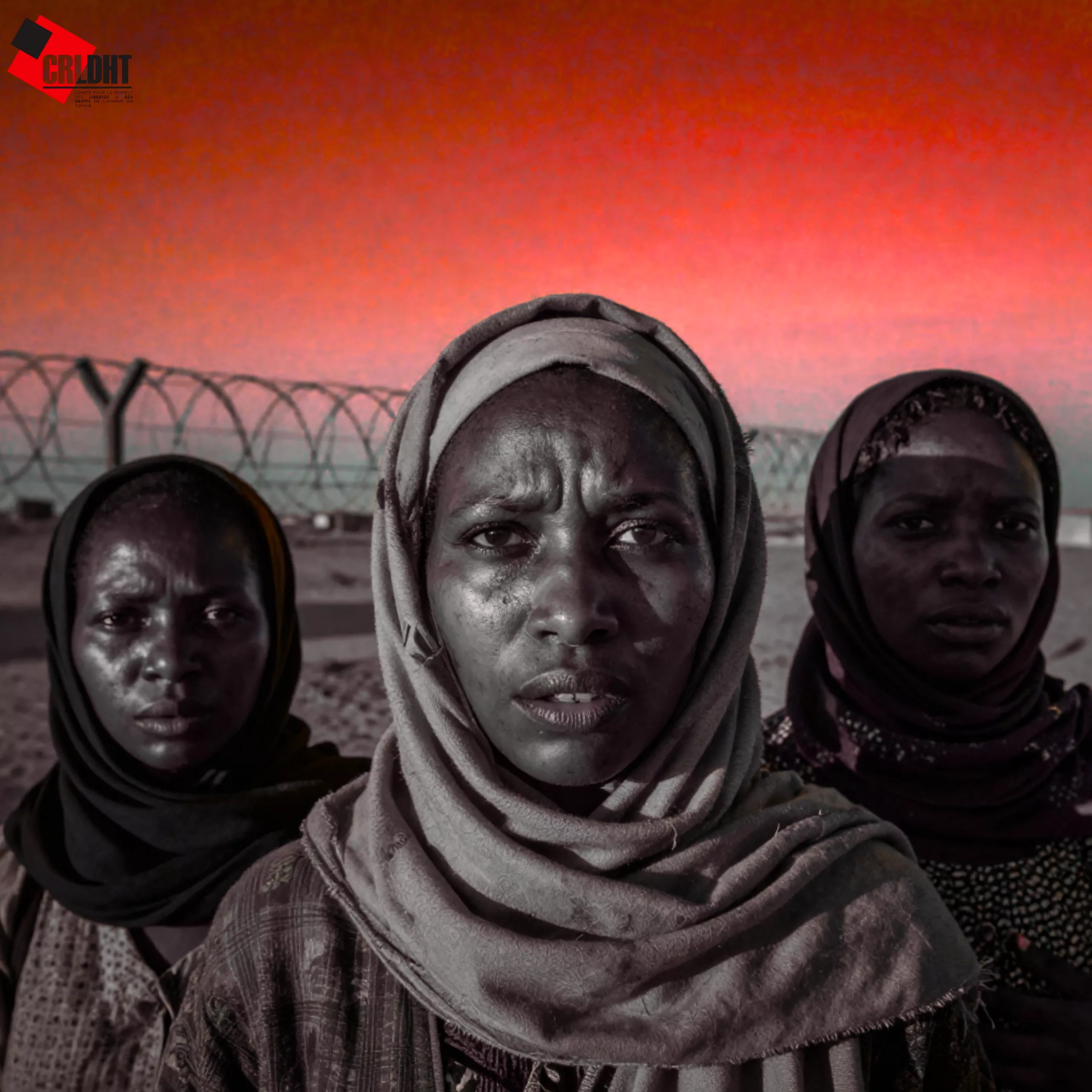
Human rights organizations have primarily documented mass deportations to desert areas along the borders with Libya and Algeria. Hundreds of people, including women and children, have been abandoned there without water, food, medical care, or humanitarian assistance. These practices are widely condemned as contrary to international law and the principle of non-refoulement.
Several journalistic investigations have also revealed that certain maritime surveillance operations and efforts to prevent departures to Europe receive financial, technical, and material support from the European Union. Recent investigations show that resources funded by the EU contribute to interceptions at sea, pushbacks, and practices denounced as contrary to international human rights obligations. These revelations directly call into question the European Union’s responsibility for the violations committed by its partners.
Migration cooperation between the European Union and Tunisia thus contributes to keeping thousands of people in a country where they receive no effective protection. NGOs denounce a policy of “confinement” of migrants, who are exposed to precarious living conditions, violence, discrimination, and exploitation, while being prevented from continuing their journey to Europe.
Tunisia Designated as a “Safe Country of Origin”
At the same time, the European Pact expands the use of the concept of “safe country of origin” in order to speed up the processing and rejection of certain asylum claims.
Tunisia’s inclusion on the proposed European list of “safe countries of origin” has drawn sharp criticism from the FTDES, GISTI, CRLDHT, and numerous human rights organizations. While numerous reports document a continuing deterioration of the rule of law, civil liberties, and the human rights situation, this designation allows for the expedited processing of asylum claims filed by Tunisian nationals and facilitates their rejection.
The organizations denounce a clear contradiction between this classification and the reality on the ground, marked by the repression of political opponents, the prosecution of journalists, lawyers, and human rights defenders, increasing restrictions on civil liberties, and violence against migrants. They believe that this decision is driven more by a desire to control migration flows than by an objective assessment of the human rights situation in Tunisia.
The Increase in Deportations of Tunisian Nationals
This trend has been accompanied by an increase in the number of Tunisian nationals being deported from several European Union member states.
As part of the European Pact and the cooperation agreements concluded with Tunisia, European states are seeking to step up the enforcement of removal measures against undocumented migrants. Tunisian authorities are encouraged to facilitate their readmission, in accordance with the commitments made as part of migration cooperation with the European Union.
Civil society organizations are thus denouncing a policy that turns Tunisia into both a country tasked with detaining migrants from sub-Saharan Africa and a country of return for its own nationals, thereby reinforcing its role as Europe’s “border guard.” This strategy places increasing responsibilities on Tunisia in terms of migration control without guaranteeing the conditions necessary to protect human rights, while at the same time exacerbating internal social, economic, and political tensions.
Conclusion
The European Pact on Migration and Asylum reflects a profound shift in European migration policies: the priority is now on protecting borders rather than protecting people. By institutionalizing the outsourcing of migration control to third countries such as Tunisia, the European Union is helping to push its borders beyond its own territory and turn these states into areas where migration is blocked.
This policy no longer affects only migrants from sub-Saharan Africa; it now affects Tunisian citizens themselves as well. Tunisia’s controversial designation as a “safe country of origin,” combined with the strengthening of readmission agreements and the increase in deportations of Tunisian nationals from Europe, is gradually transforming the country into a platform for outsourcing European migration policy.
Tunisia is thus being assigned a dual role: to prevent migrants from crossing into Europe and to accept the expedited return of its own nationals. This development reinforces its role as the European Union’s “border guard, ” even as national and international organizations document a continuous deterioration of the rule of law, civil liberties, and human rights.
According to analyses by GISTI, Amnesty International, Migreurop, FTDES, CRLDHT, and numerous other organizations, this strategy prioritizes border security over the protection of people. It contributes to institutionalizing a system in which migration management is outsourced to states whose capacities and human rights safeguards are insufficient, risking an increase in fundamental rights violations, fueling discrimination, and further destabilizing Tunisia’s social and political situation. In doing so, the European Union is accused of shifting part of its responsibilities regarding international protection while imposing an increasingly heavy human, political, and institutional burden on Tunisia.