The general strike staged by Tunisian lawyers on June 18, 2026, was much more than a mere professional protest. Given its exceptional scale, it took on the character of a genuine act of resistance against what the bar association views as the systematic destruction of the foundations of the rule of law.
The message conveyed by the lawyers is unambiguous: it is no longer just the legal profession that is under attack—it is justice itself.
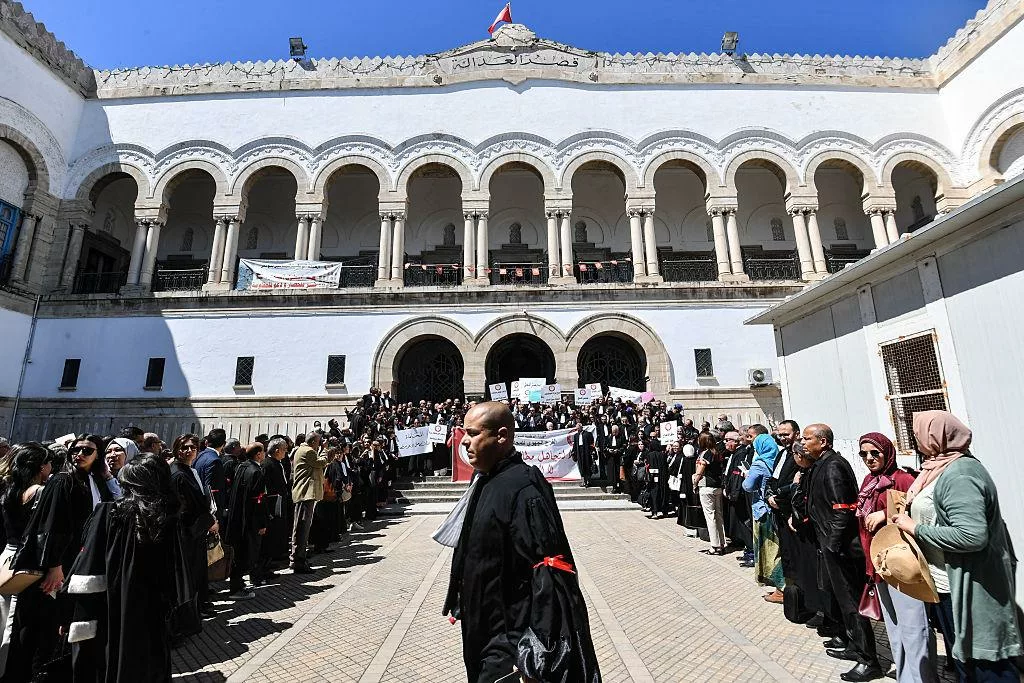
Outside the courthouses in Tunis, Sfax, Sousse, and Kairouan—and across the country—hundreds of lawyers in black robes denounced the gradual transformation of the judiciary into an apparatus subservient to the executive branch. Their slogans summed up this conviction: “Freedom! No to a judiciary under orders!”, “No to the return of arbitrariness!”, “Minister of Failure, resign!”
These words reflect a view that has become widely held within the legal profession: the Tunisian judiciary is no longer perceived as an independent branch of government but as an instrument of the government.
The Ministry of Justice’s response further exacerbated the crisis. Rather than heeding the warnings issued by one of the country’s oldest institutions dedicated to defending civil liberties, the minister labeled the strike “illegal,” accusing lawyers of undermining the interests of those seeking justice. Official posters displayed in several courthouses calling for hearings to proceed as usual were perceived as a show of authority and an attempt to publicly humiliate the bar association.
This attitude reflects a mindset that is now firmly entrenched: any dissent is discredited, any criticism is portrayed as an attack on the state, and any opposition is treated as an act of defiance against the institutions.
However, the grievances raised by the Bar Association go far beyond professional concerns. They pertain to the gradual erosion of the guarantees of a fair trial, the increasing number of prosecutions against attorneys in the course of their duties, the abusive use of pretrial detention, the pressure exerted on the defense, and the gradual erosion of the adversarial process in sensitive proceedings.
The Bar Association reiterates a self-evident truth that those in power seem intent on forgetting: without an independent defense, there can be no independent justice, no fair trial, and no rule of law.
Elected president of the Bar Association in September 2025, Attorney Boubaker Bethabet has committed the Bar Association to a much more proactive defense of the rule of law. Believing that the independence of the judiciary is now seriously compromised, the Bar Association asserts that it is its duty to unequivocally oppose the authoritarian abuses that are gradually transforming the judiciary into an instrument of power.
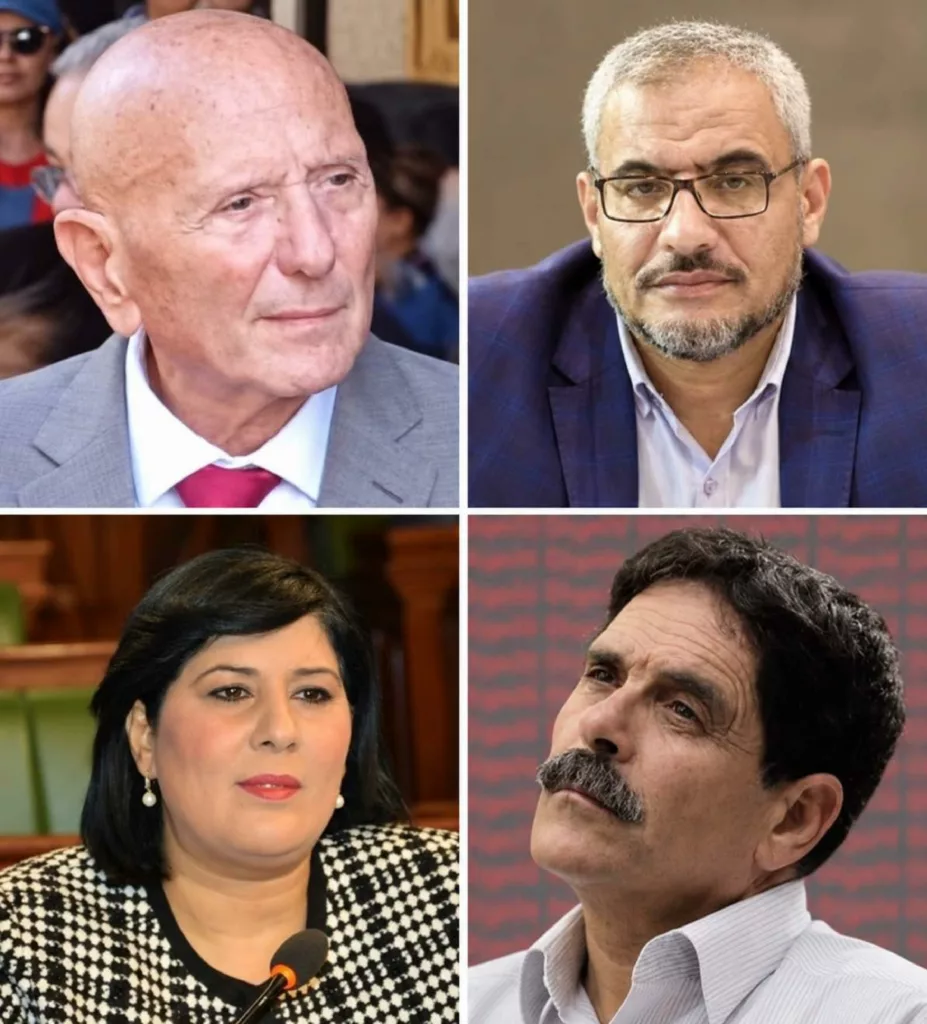
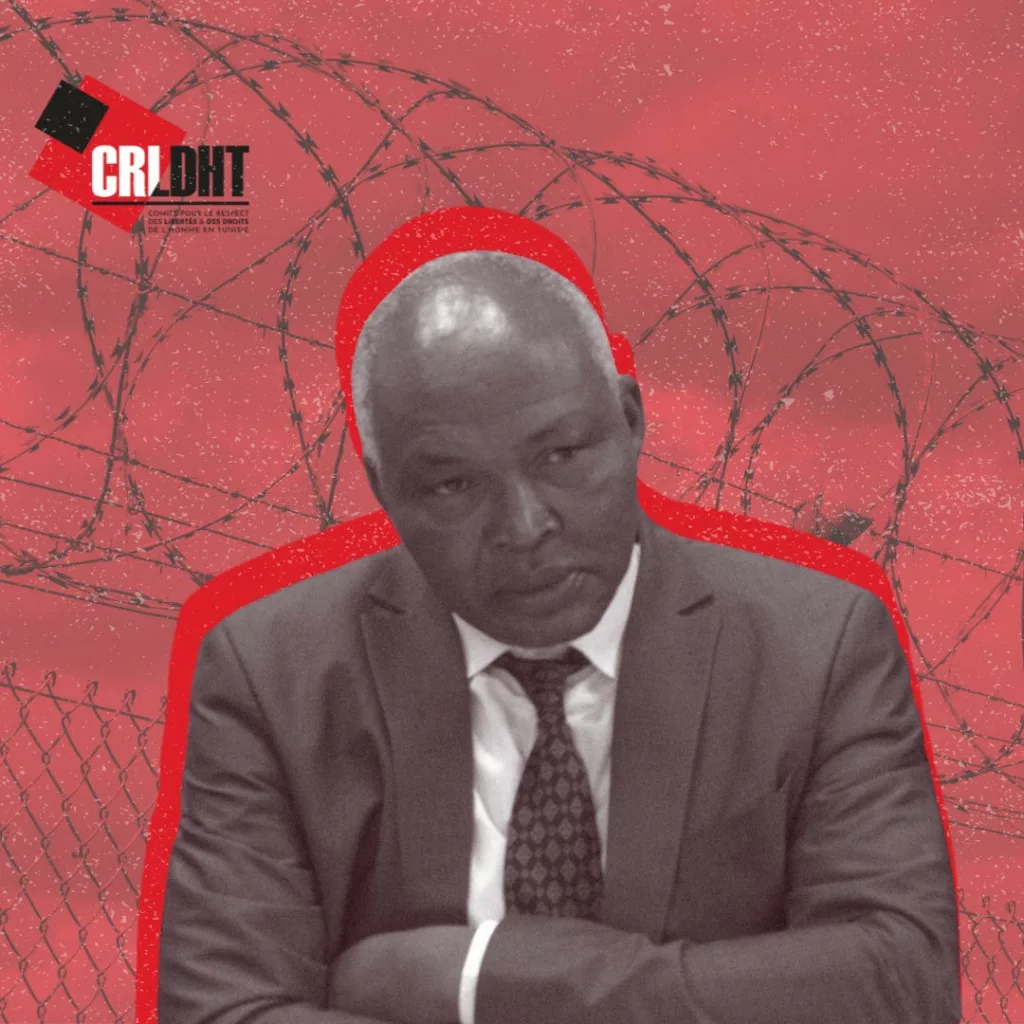
This commitment has taken the form of consistent support for several of its members, as well as for numerous public figures facing prosecution in cases with significant political implications. The Bar Association has spoken out on behalf of former Bar Association President Chawki Tabib, Attorney Ayachi Hammami, Ahmed Néjib Chebbi, and many other prisoners of conscience and political leaders from a wide range of ideological backgrounds.
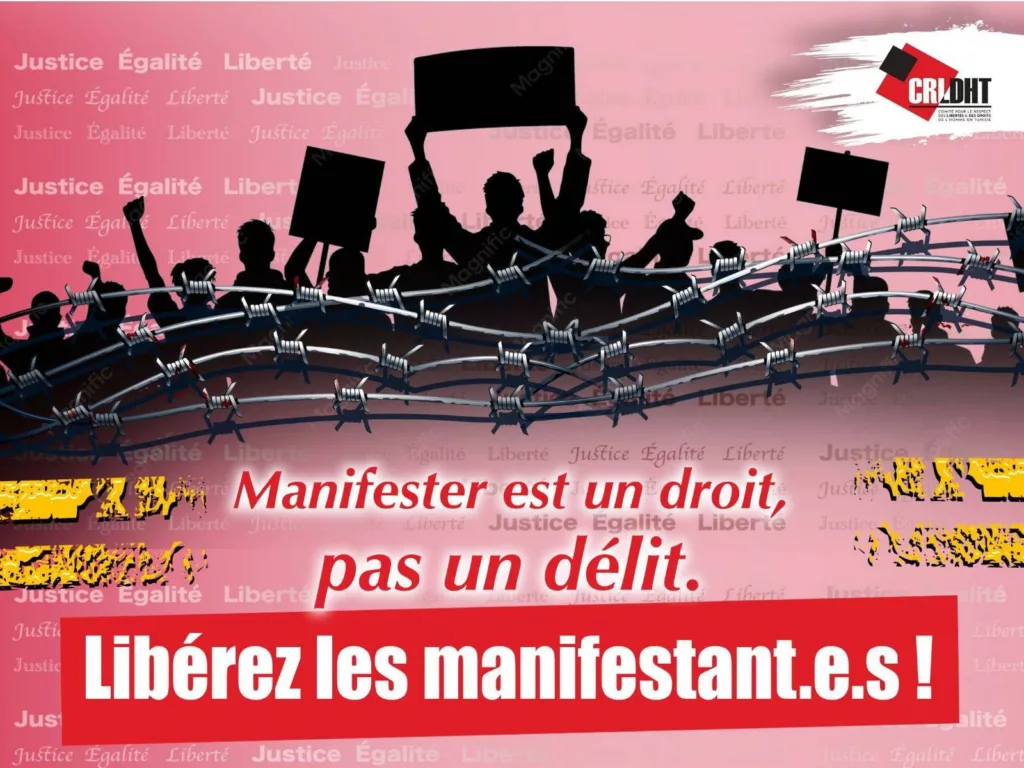
This decision is far from insignificant. By defending Islamists, democrats, human rights activists, labor unionists, and secular opponents alike, the bar association underscores that the guarantees of a fair trial do not vary according to political opinions. They constitute a universal right enshrined in the Tunisian Constitution, the International Covenant on Civil and Political Rights, and all of Tunisia’s international commitments.
Since July 25, 2021, this battle has been part of a broader effort to dismantle checks and balances. Following the dissolution of the High Council of the Judiciary, the arbitrary dismissal of judges, the takeover of the public prosecutor’s office, the proliferation of political trials, and the extensive use of anti-terrorism legislation and common-law offenses against opponents, the bar association now appears to be one of the last institutions capable of mounting organized resistance to the concentration of power.
The impact of this strike therefore extends far beyond the interests of the legal profession. It is likely one of the last warnings issued by a historic institution before the independence of the Tunisian judiciary disappears for good.
When lawyers today claimthat “there is no longer any justice in Tunisia,” they are not merely denouncing systemic failures or isolated abuses. They are asserting that the judiciary has ceased to be an independent branch of government and has become an instrument of political repression.
In any society, when lawyers take to the streets en masse, it means that citizens are already in danger. For when those who defend civil liberties must themselves defend the right to practice their profession, it is no longer just the legal profession that is under threat: the entire rule of law is being undermined.