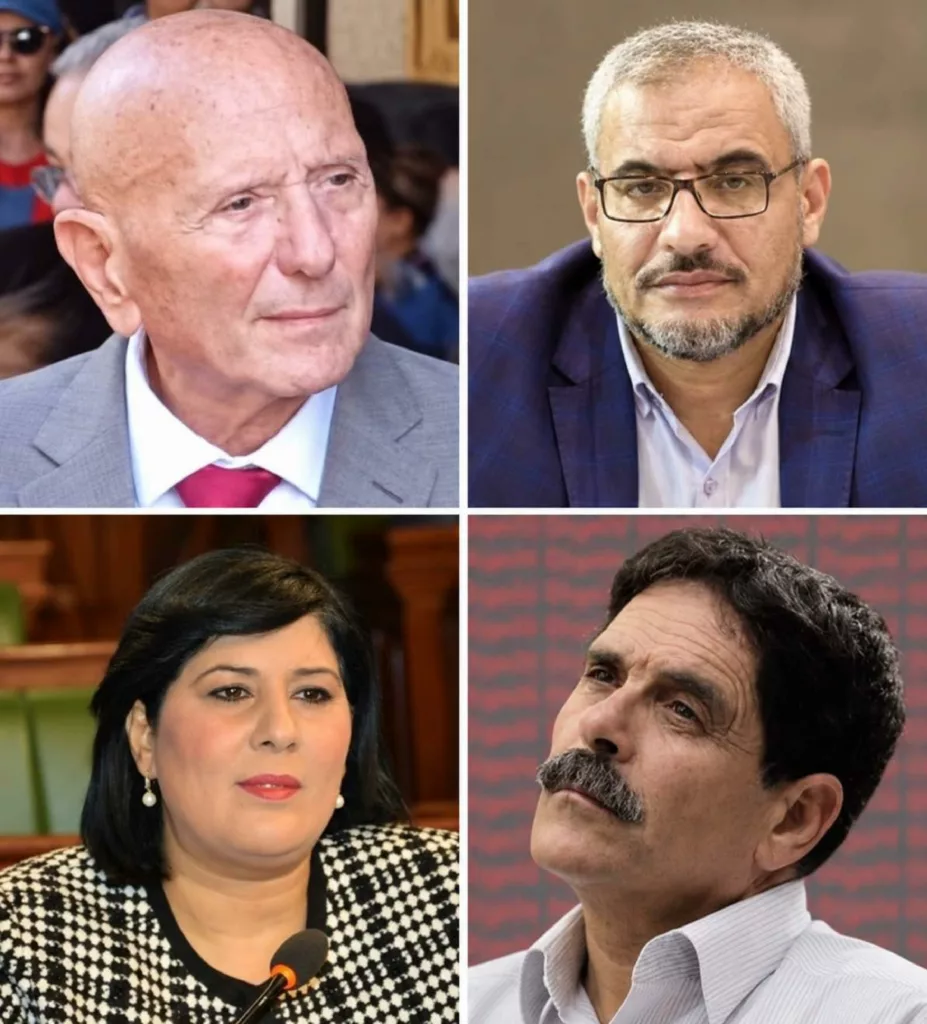
There are texts that transcend their authors. There are words that take on a special power precisely because they are spoken in the very places where people would like to silence them.
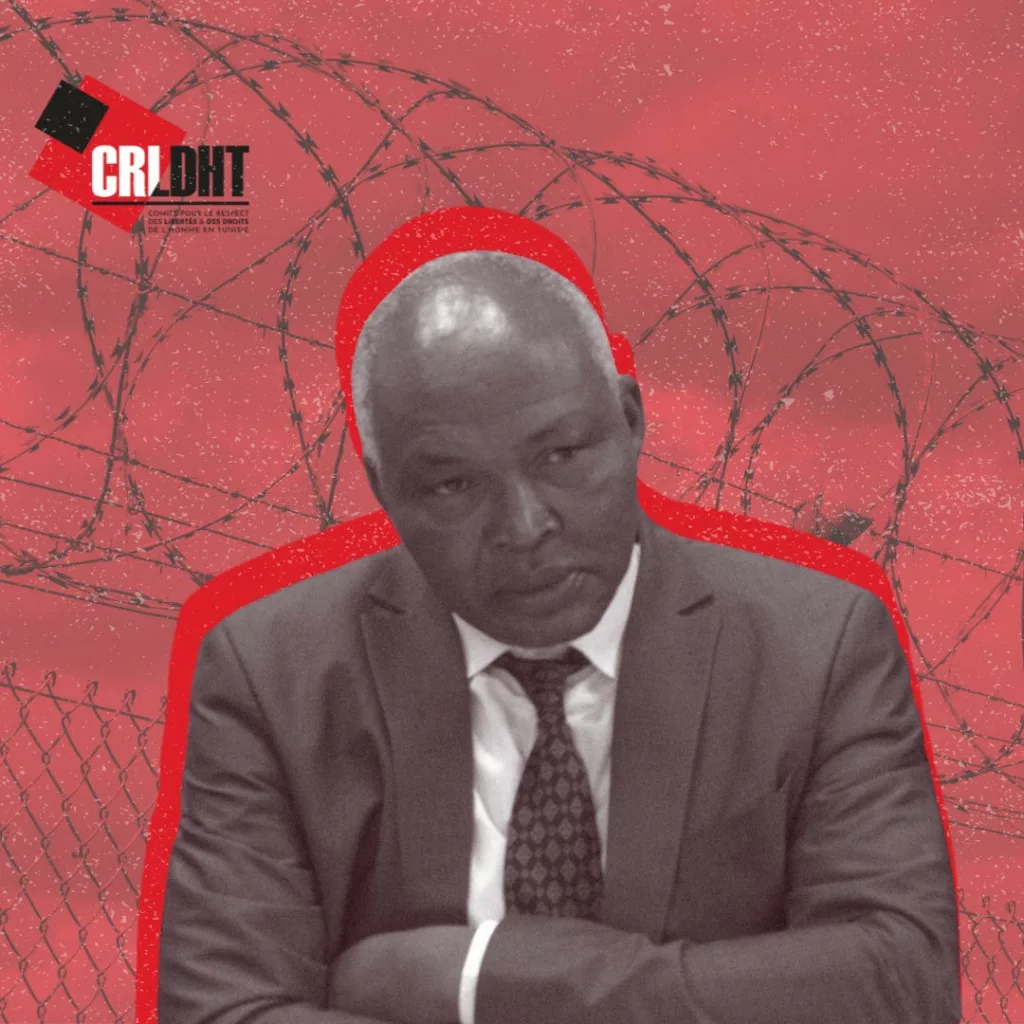
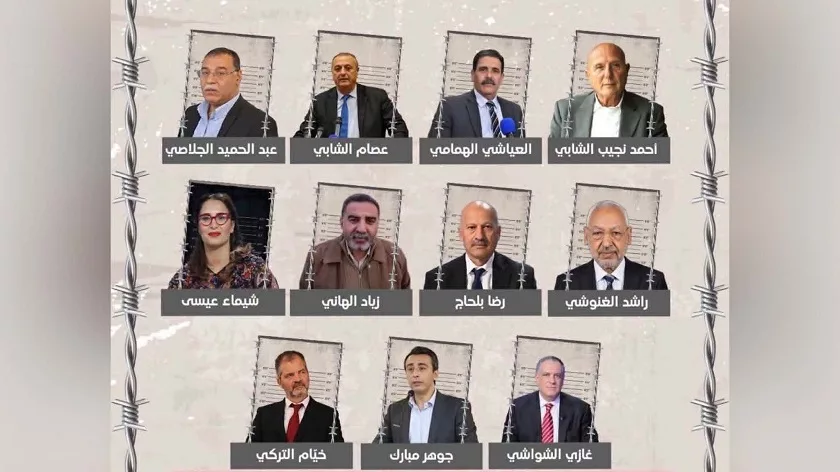
The letter made public on June 24 by eleven political prisoners falls into this category. It is not merely yet another call for unity among the opposition. Above all, it is a major political act, spearheaded by men and women deprived of their freedom—who come from ideological backgrounds that are at times at odds with one another—yet who have chosen to place the country’s best interests above their differences.
The primary lesson of this letter lies in what it does not say. It asks for neither mercy, nor compassion, nor special treatment. The signatories do not make their own fate the focus of their appeal. They emphasize that the urgent priority is not primarily their own release, but that of Tunisia. They assert that the restoration of the rule of law, civil liberties, and democracy is now the prerequisite for any future political debate. This shift in focus—from individual fate to the collective fate—lends their appeal a unique moral authority.
The second lesson runs even deeper. The signatories belong to political factions that have long been locked in fierce conflict during the transition to democracy. Some were bitter, and at times irreconcilable, adversaries. Their current convergence does not mean that their disagreements have disappeared. It reflects the realization that there can be no democratic confrontation when the freedoms that make it possible are lost.
For democracy does not require unanimity. It requires the existence of common rules that allow disagreements to be expressed peacefully, enable changes in government to occur, and let citizens make their own choices freely. When these safeguards disappear, it is not only the opposition that is silenced; the very possibility of political life itself is extinguished.
This letter thus serves as a reminder of a truth that Tunisian democrats have at times found difficult to admit: the defense of freedoms must take precedence over ideological disputes. Debates over economic, social, or institutional choices will naturally resume when Tunisians are once again able to decide them through free elections, under the protection of an independent judiciary and in accordance with the Constitution.
The call also comes at a particular moment. The government, which claimed to be restoring the state’s authority and meeting social expectations, now appears increasingly isolated. Economic difficulties are worsening, social discontent is spreading, and cracks are multiplying even among those who had supported the July 25 process. At the same time, citizen-led initiatives and mobilizations in support of civil liberties are gaining momentum. The political landscape is in flux.
In this context, the prisoners’ letter should not be viewed as just another text, but as an invitation to rebuild what has been lacking for several years: the ability to act collectively toward specific but essential goals.
This is not about asking democratic forces to renounce their respective convictions, nor is it about building an artificial coalition. It is about establishing a shared minimum foundation: the release of political prisoners and prisoners of conscience, the restoration of fundamental freedoms, the independence of the judiciary, respect for the Constitution, the guarantee of free and pluralistic elections, and the guarantee of freedom of expression and a free press. On these principles, compromises are not concessions; they constitute the very foundations of any democracy.
This responsibility now falls on those who are free. The prisoners have fulfilled their civic duty from their cells. They have reached out beyond partisan lines. They have reminded us that the national interest today demands more than mere declarations of principle.
The question now faces all political forces, labor unions, civic organizations, and democratic leaders: Will they be able to turn this call into a collective movement? Will they be able to move past the wounds of the past without erasing the differences that make pluralism so rich? Will they be able to prioritize what is essential over what is incidental?
Tunisian history offers few moments when such diverse voices speak with one voice. It would be tragic if this appeal, issued from the Republic’s prisons, went unanswered.
For it is not directed solely at Democrats. It appeals to the entire national conscience. And it reminds us of a self-evident truth that no one should forget: when a country comes to learn its most powerful lessons about freedom from those it has imprisoned, the crisis is no longer merely political. It has become a national one.