On Independence Day, Tunisia reneges on its commitments and destroys another human rights guarantee for the Tunisian people.
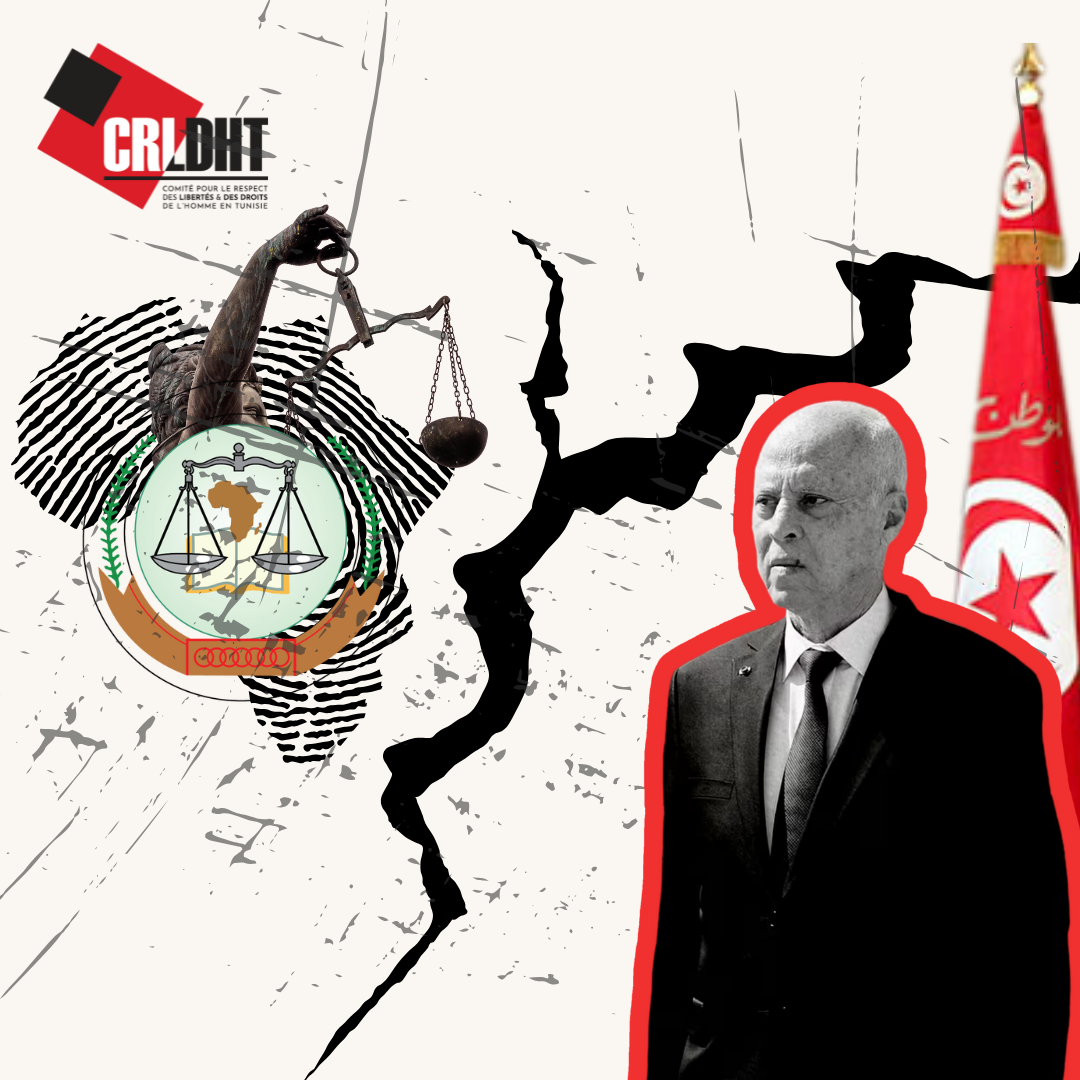
On this symbolic day of March 20, celebrating Tunisia's independence and the sovereignty of its people, we learn with deep dismay that the authorities in power in Tunisia have decided to withdraw their declaration under Article 34(6) of the Protocol of the African Court on Human and Peoples' Rights.
This decision now deprives Tunisian citizens and advocacy NGOs of the right to bring cases directly before the African Court to allege violations of fundamental rights committed by the Tunisian state, and to seek the remedies and compensation to which they are entitled. It constitutes a serious breach of the 2022 Constitution, in particular its entire Chapter II, and an ignominious reneging on Tunisia's commitments to justice and the protection of human rights, stemming from its ratification of the African Charter on Human Rights and the International Covenant on Civil and Political Rights.
A historic commitment reduced to nothing
Tunisia's involvement with the African Court on Human and Peoples' Rights bears witness to a progressive commitment to international justice:
- June 9, 1998: at the Organization of African Unity (OAU) summit in Ouagadougou (Burkina Faso), the Protocol annexed to the African Charter on Human and Peoples' Rights establishing the African Court is adopted.
- August 7, 2007: Tunisia ratifies the Protocol, thus officially integrating the African Court on Human and Peoples' Rights into its legal framework.
- June 02, 2017: in a major and revolutionary step forward for an Arab, Muslim and Maghreb country, Tunisia files its declaration under Article 34(6), allowing individuals and NGOs to bring cases directly before the Court to denounce human rights violations. At the time, only 10 other African states had adopted this declaration, making Tunisia a model for international justice in North Africa.
By choosing to backtrack, the Tunisian authorities are undoing these advances and rejecting an independent justice system that could have provided subsidiary protection for citizens against the abuses of power.
A decision with far-reaching consequences
The withdrawal of the declaration under article 34(6) seriously weakens the protection of human rights in Tunisia:
- Deprivation of an international remedy: victims of human rights violations will no longer be able to turn to the African Court when the Tunisian justice system proves incapable of remedying human rights violations, or commits them itself.
- Reinforced impunity for those in power: this withdrawal makes it easier to escape from arbitrary arrests, the repression of opponents and journalists, and the growing restrictions on public freedoms, especially with the series of political trials and those targeting freedom of expression and association, locking up the public arena.
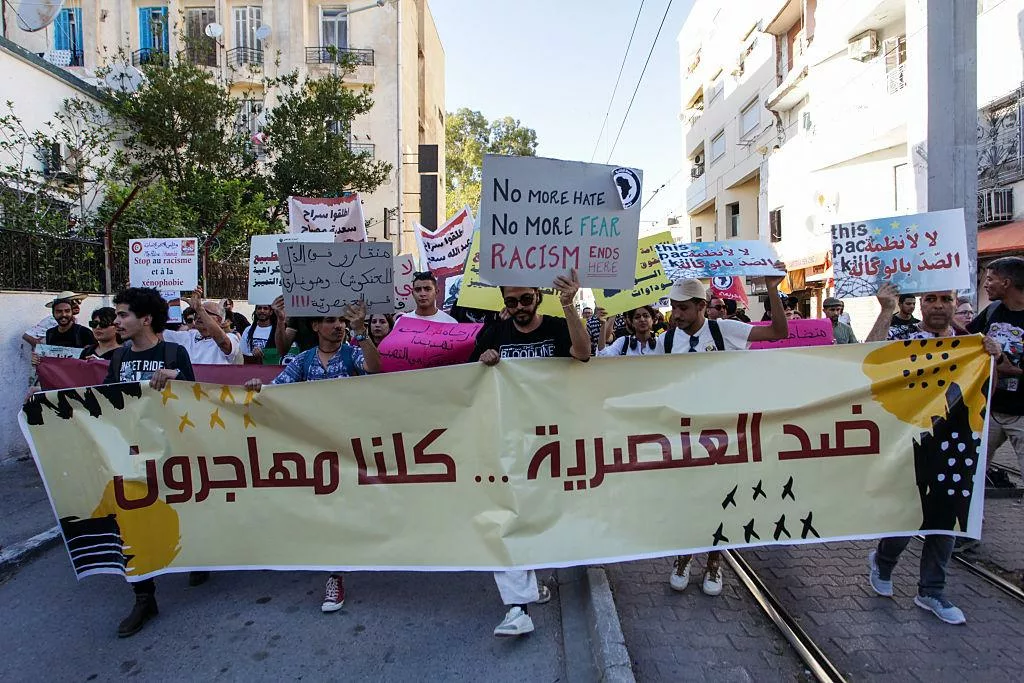
- Abandoning sub-Saharan migrants to violence: it also prevents any legal action to denounce the brutal expulsions, racist attacks and inhumane treatment to which many migrants are subjected in Tunisia.
A shameful retreat and an attempt to escape justice
The withdrawal of the declaration under article 34(6) is not a simple technical decision, but a political choice aimed at evading accountability mechanisms. It comes at a time when Tunisia is increasingly criticized for its authoritarian excesses and growing human rights violations.
The CRLDHT points out that this withdrawal will only take effect in March 2026, according to the jurisprudence of the African Court. We call on all victims of human rights violations to file complaints with the Court before this deadline, in order to prevent the withdrawal from serving as a shield for the regime's impunity. The CRLDHT remains at their disposal to provide appropriate legal advice.
We are left with international justice
If the authorities in power in Tunisia think they can escape their responsibilities by restricting access to the African Court, we remind them that international justice is not limited to this Court.
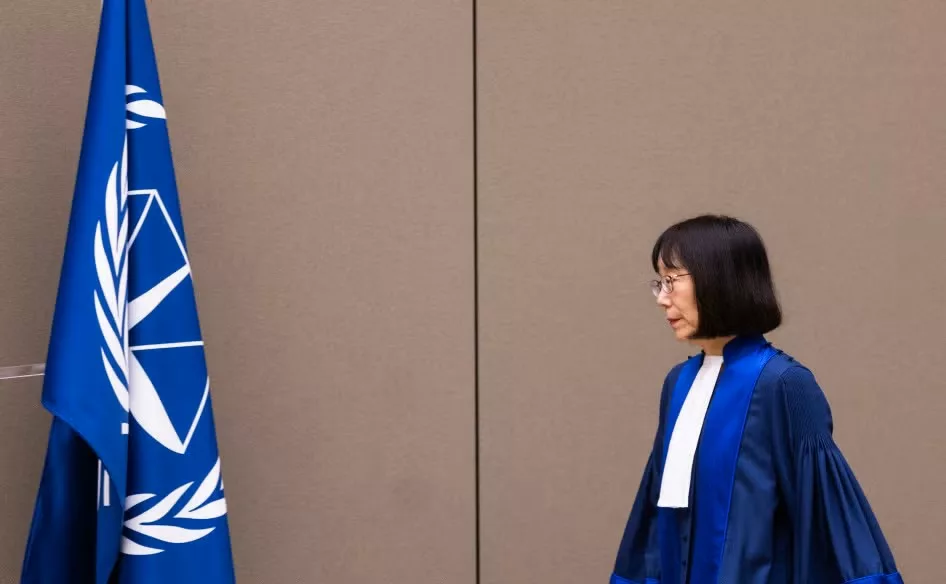
The United Nations Human Rights Committee, the International Criminal Court (ICC) for the most serious crimes, the special rapporteurs and pressure mechanisms of the United Nations and the European Union, as well as the universal jurisdiction of national courts all remain avenues for denouncing violations committed in Tunisia and demanding accountability. The CRLDHT will not hesitate to refer cases to these bodies and to assist victims in their efforts.
The CRLDHT reaffirms its commitment to continuing the fight to ensure that those responsible for abuses and crimes do not go unpunished.
Call for mobilization
On this Independence Day, which should be a celebration of sovereignty and justice, we refuse to accept this step backwards.
The CRLDHT calls :
- The Tunisian government to immediately reverse this decision and respect its international commitments.
- The African Union and international bodies to exert diplomatic and political pressure to prevent this regression.
- Human rights organizations to mobilize against this attempt to deprive Tunisian citizens of access to justice.
- Tunisian citizens and migrant victims of abuse to file massive petitions before the African Court before March 2026.
On this day, March 20, we remind you that true independence cannot exist without justice, accountability and respect for fundamental rights.