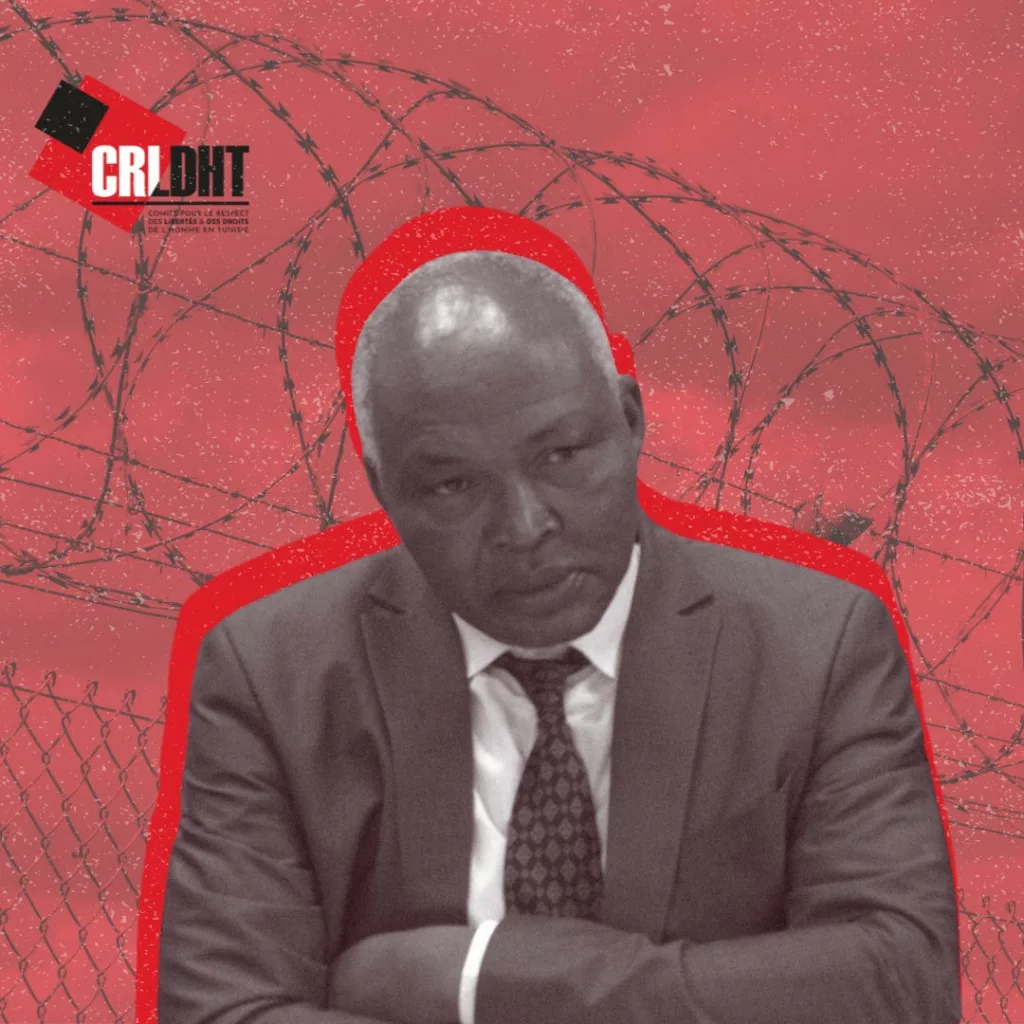
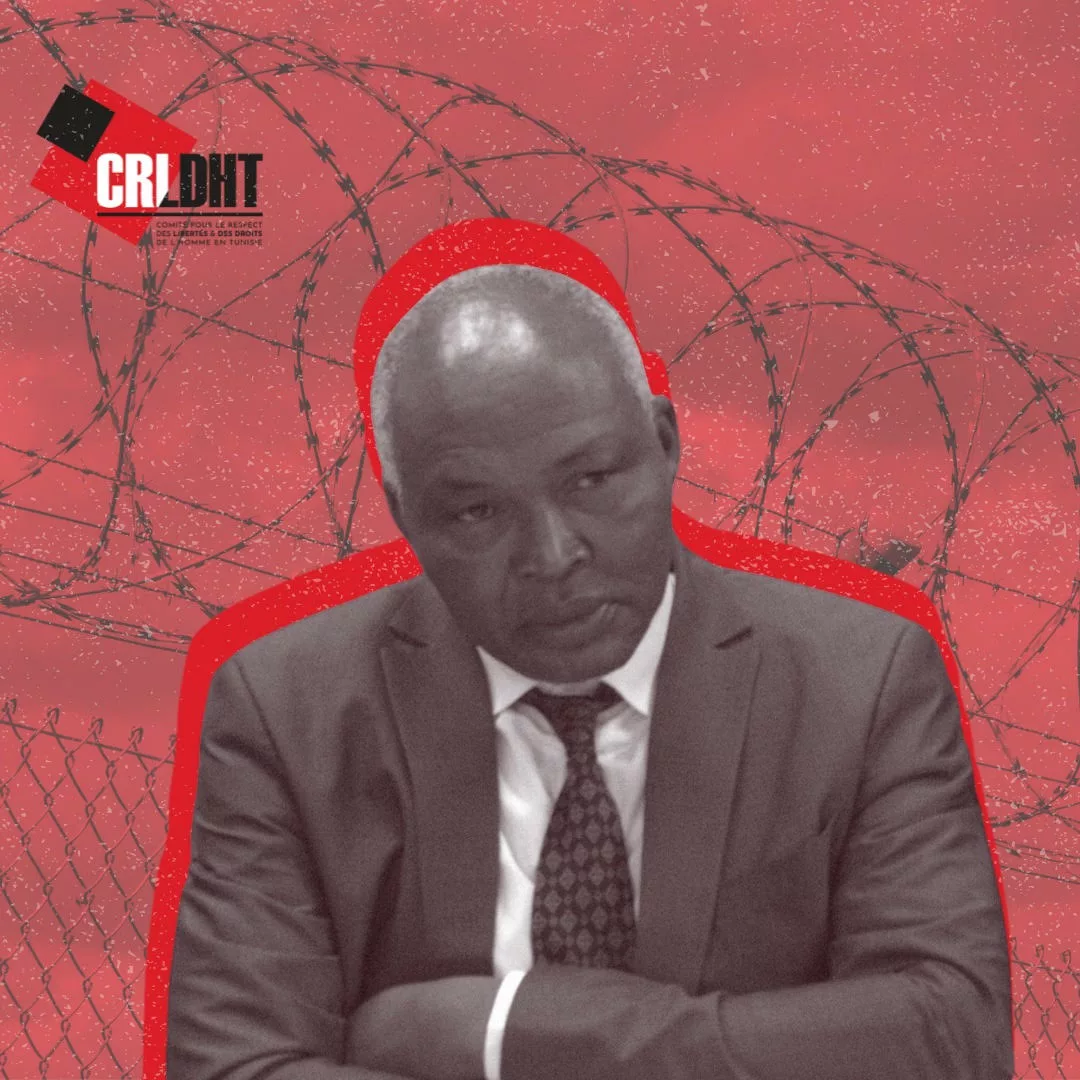
On Monday, September 28, 2026, the Médenine Court of Appeals increased the sentence handed down in the first instance against Abdallah Saïd, raising it from one to two years of imprisonment without parole. Arrested on November 12, 2024, he has already spent nearly two years in custody and, barring any complications, is expected to be released in the coming weeks.
The Committee for the Respect of Freedoms and Human Rights in Tunisia (CRLDHT) had hoped that this hearing would put an end to a detention that had already lasted nearly two years and overturn the initial conviction. This decision, which increases the sentence rather than redressing the injustice, is all the more shocking given that the public prosecutor’s office itself had appealed the trial court’s ruling. It confirms the authorities’ determination to crack down hard on civil society.
The CRLDHT had already commented on this case and denounced the proceedings as part of the authorities’ campaign against civil society organizations. Initially referred to the judicial unit responsible for combating terrorism, the case was subsequently removed from its jurisdiction due to the absence of a terrorist dimension. The charges of endangering the external security of the state and money laundering were subsequently dropped upon the conclusion of the investigation, and were replaced with financial charges. This shift did not prevent an even harsher sentence, which reinforces the impression that the justice system is being manipulated.
Beyond the legal proceedings, the CRLDHT wishes to highlight the deeply human and community-oriented nature of Abdallah Saïd’s work. Throughout this case, his story has elicited empathy from many people who have learned about his life story and his commitment.
The CRLDHT also points out that the proceedings relied heavily on a report by an expert whose analysis, in our view, reflects a lack of understanding of the nature of nonprofit work, how it actually operates, and the issues involved.
Throughout his legal proceedings and time in prison, Abdallah Saïd has expressed no regret regarding his work with the nonprofit. What affects him most, however, is the fate of the children suffering from the condition known as “moon children’s disease”—whom his organization supports—whose education has been interrupted for nearly two years following his arrest. Behind this conviction, therefore, are also children with a rare disease who are particularly vulnerable—beneficiaries of essential nonprofit work—who are directly bearing the brunt of this crackdown.
This conviction is not an isolated case. It is part of a series of prosecutions targeting those who work to promote solidarity and defend rights:
- Cherifa Riahi, former director of Terre d’asile Tunisie, was released on the night of January 6–7, 2026, after more than twenty months in detention;
- Mustapha Jamali, founding director of the Tunisian Council for Refugees, and Abderrazek Krimi, project manager, were released after more than eighteen months in detention, even though their convictions were subsequently upheld on appeal;
- Saadia Mosbah remains in prison after her harsh eight-year sentence was upheld on appeal in a case also based on financial and management charges that barely conceal the criminalization of her commitment to solidarity with migrants.
In each of these cases, the same pattern repeats itself: an act of solidarity, humanitarian aid, or advocacy for rights is subject to criminal or financial charges that make it possible to punish those who carry it out. The CRLDHT analyzed this logic in its paper on the criminalization of solidarity, three years after the Tunisia-European Union memorandum.
The CRLDHT :
- Condemns in the strongest possible terms the increase in Abdallah Saïd’s sentence by the Médenine Court of Appeals;
- Demands his immediate release, the overturning of his conviction, and the dismissal of all charges against him;
- Calls on the Tunisian authorities to stop criminalizing civil, humanitarian, and solidarity efforts, and to ensure that human rights defenders have the conditions necessary to carry out their work;
- Calls on Tunisia’s international partners, in particular the European Union and its member states, to make the release of Abdallah Saïd and the cessation of these legal proceedings a public demand in their relations with the Tunisian authorities;
- Reaffirms its full solidarity with Abdallah Saïd, his family, and his loved ones, as well as with the Campaign Against the Criminalization of Civil Action and all those in Tunisia who continue their activism despite repression.
Committee for the Respect of Freedoms and Human Rights in Tunisia (CRLDHT)
Paris, September 28, 2026